Sexual Assaults in Ceuta Surge Amid Mass Migrant Influx, Prosecutors Warn
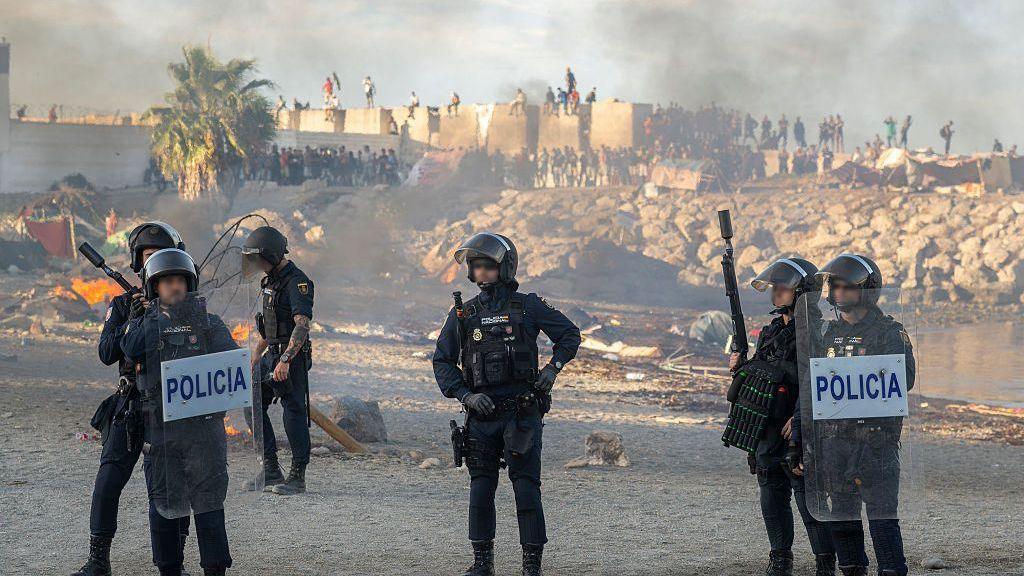
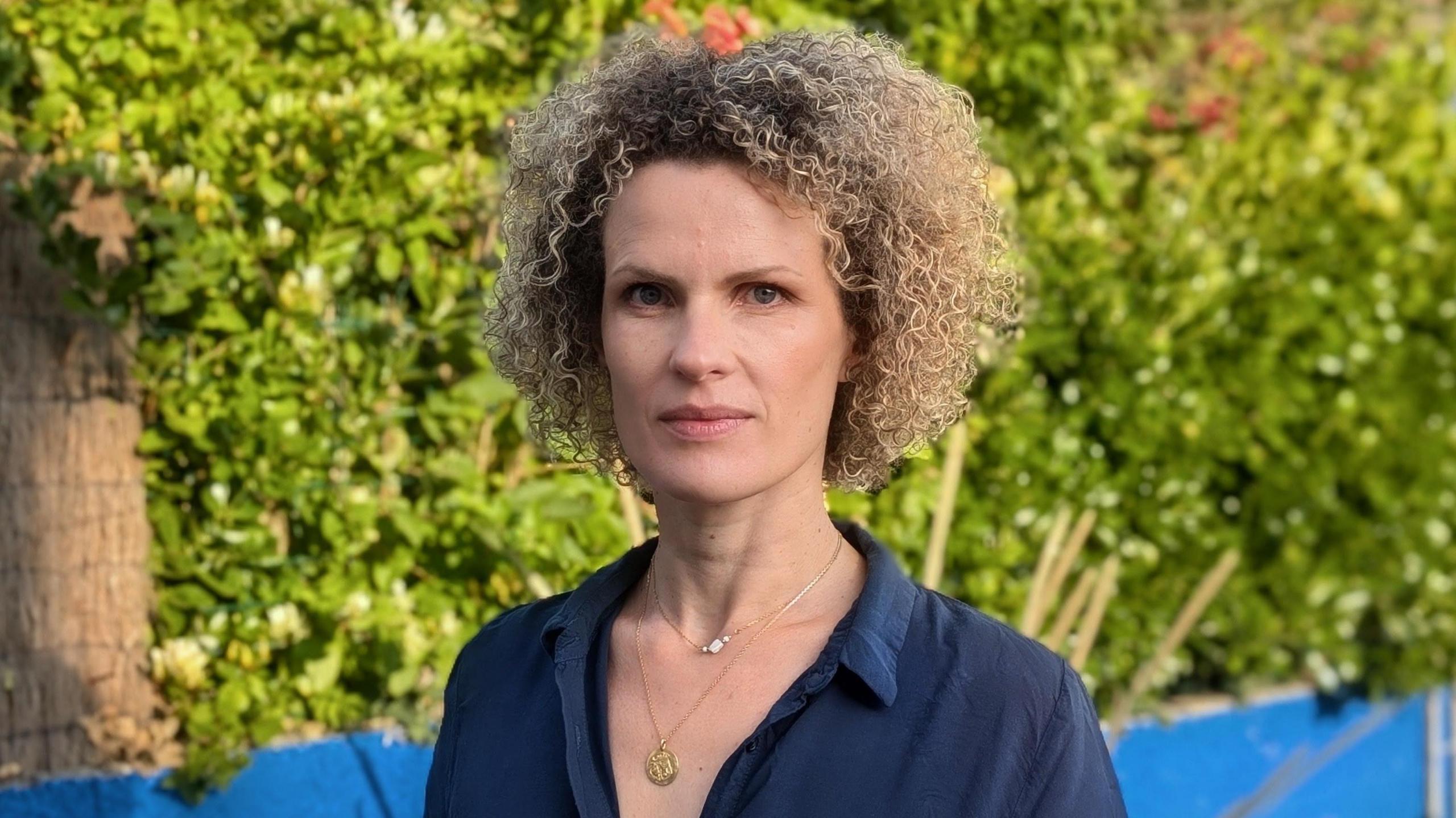
Spanish prosecutors have recorded 23 sexual assaults—nine on children—in Ceuta since the mass arrival of migrants at the enclave’s border on 30 and 31 July 2026. That averages nearly one incident per day, chief prosecutor Silvia Rojas told the local press.
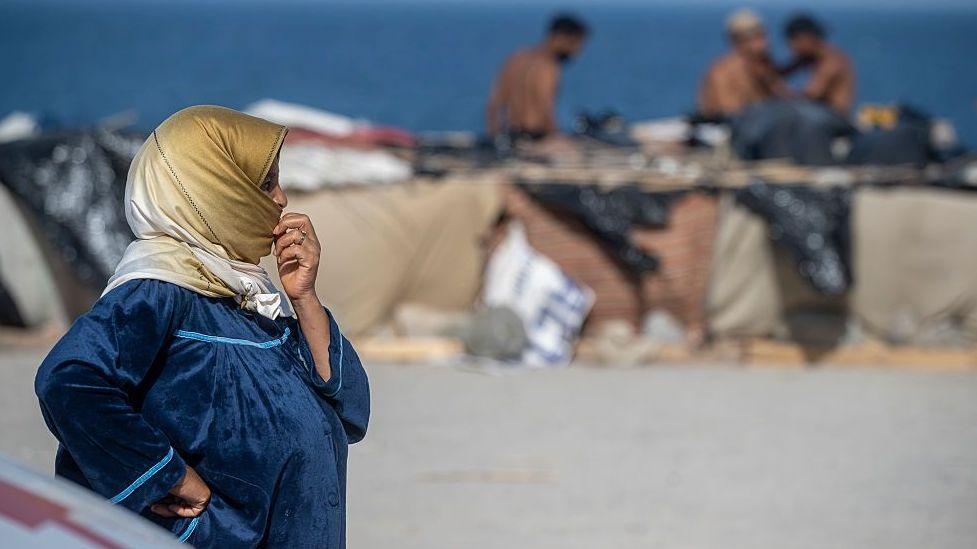
The surge underscores the vulnerability of migrant girls, whose irregular status leaves many fearful of reporting abuse. Between 1,400 and 1,600 of the roughly 5,000 migrants remaining in Ceuta are estimated to be minors, according to Rojas.
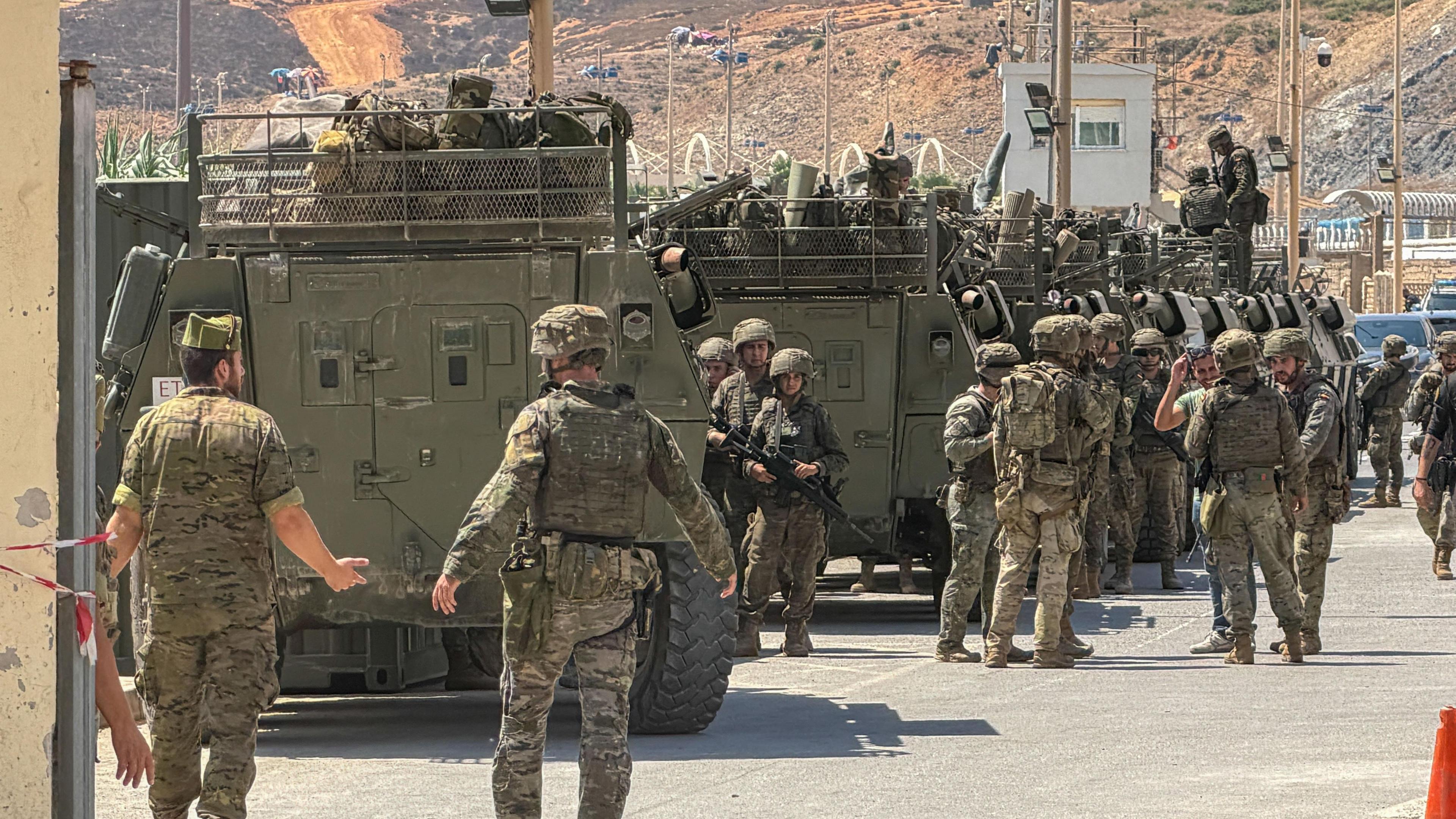
While most of the 72,000 crossing from Morocco on the seized days have returned, the lingering population fuels unrest and a political crisis for Prime Minister Pedro Sánchez. Rojas added that only 72,000 crossed, yet the presence of children in the enclave amplifies concern.
Suspected attackers include four Moroccans, three Spaniards and a Belgian, according to the Efe news agency. In the days following the influx, clashes between migrants and local residents have further escalated tension.
Sánchez has convened a national security council and announced a multi‑million‑euro aid package to support essential services and care for unaccompanied children. The city’s mayor, Juan Jesús Vivas, urged Spaniards to rally in support of Ceuta during celebrations of the city’s annual holiday.
The situation has ignited political fire, with the far‑right Vox party accusing Sánchez of handing over control of Ceuta. PSOE’s leader defends the government’s measures and denounces the allegation that Morocco orchestrated the surge, stressing that intelligence reports found no Moroccan involvement.
Press coverage reveals a wider narrative of social‑media‑driven misinformation, citing posts that painted the border fence as safe despite the death of at least 100 escapees. Spanish fact‑checking sites claim that Moroccan social media circulated encouragements to cross after a June Supreme Court ruling, raising concerns about the spread of disinformation.
As Sánchez meets with King Felipe VI, discussions about a possible royal visit highlight diplomatic tensions with Morocco over Ceuta and its sister city Melilla, areas Morocco has long claimed. The last royal visit in 2007 triggered the withdrawal of Morocco’s ambassador from Madrid, signalling potential diplomatic fallout.