Shootings Surge as Drug Gangs Torment Brussels

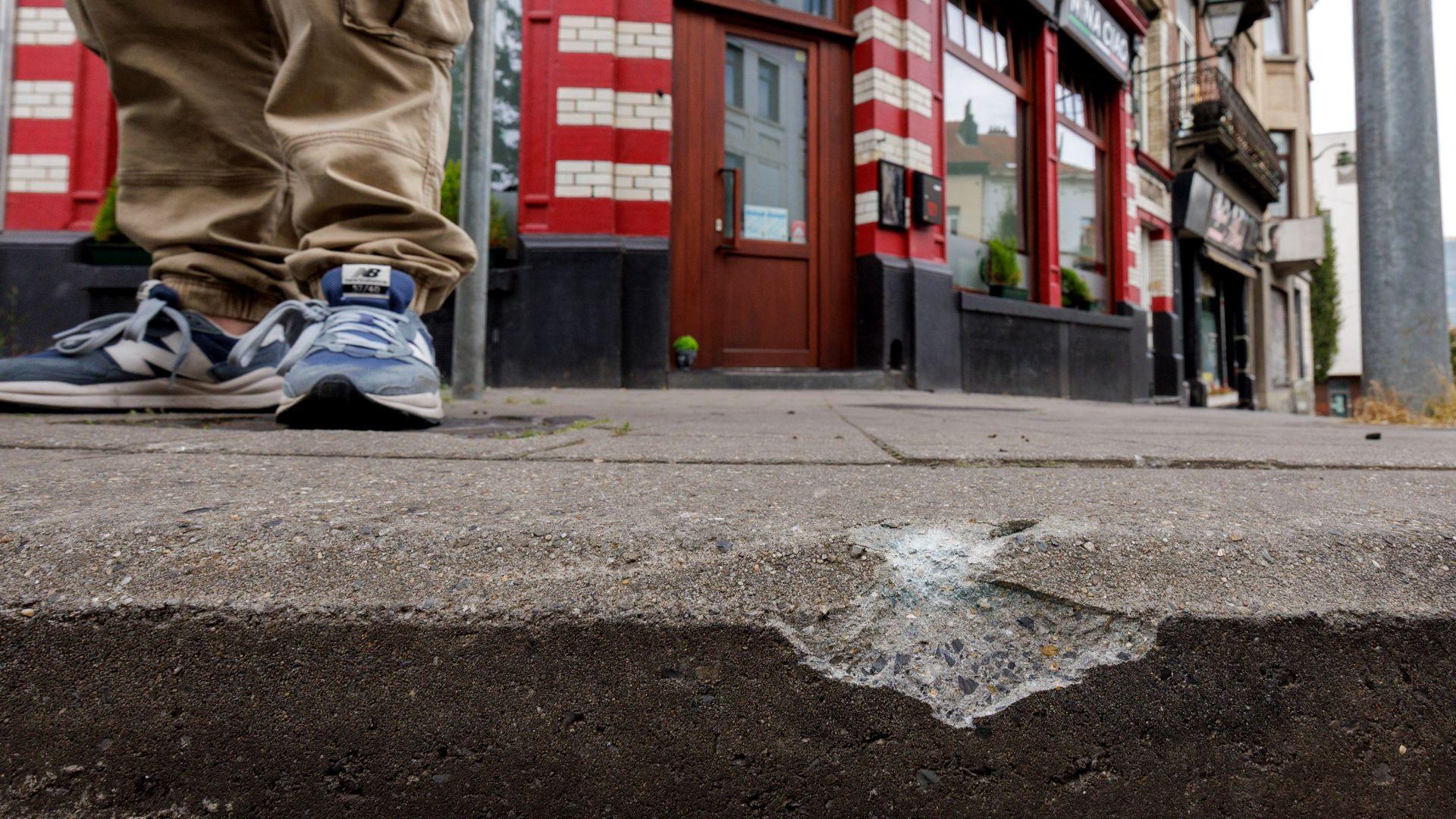
Last Monday night, a pizzeria in Brussels’ St Gilles district turned into a crime scene when drug gang factions opened fire on the street. A man described, "We dropped to the floor. I had clients eating on the terrace with children. Look, we can see the bullet impacts everywhere." The restaurant sits at a busy junction near the international Midi train station, where traffic from London and Paris converges.
Over 100 drug‑related shootings were recorded in 2025, and more than 65 have occurred so far in 2026—an escalation that has made it the third shooting in the area in just three days.
By the evening of the incident, locals whispered that the violence was a return to the gritty scenes of American gangster films, a sentiment echoed by Salvatore: "Are we in an American gangster movie? This needs to stop." He added that the neighborhood is losing its appeal, with property values plunging.
The daily drug‑dealing points across Brussels can net a dealer up to €50,000 ($58,000) per day, according to Chief of Brussels South Police, Jurgen de Landsheer. He stresses the importance of shifting strategies from enforcement to prevention, noting that the streets must not become a playground for young people seeking quick cash. "We don’t have a no‑go zone…We want to stop the gangs from taking over neighborhoods like Marseille," de Landsheer told reporters.
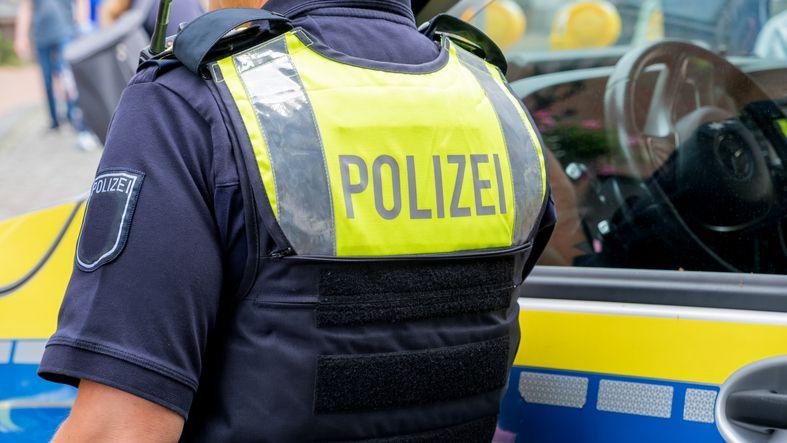
The attacks are now spilling into the financial sector, with a police station last week becoming a target of a shootout that involved an AK‑47 on a scooter. Police fear stray bullets as the age of some arrestees reaches as low as twelve.
In response, Belgium’s interior minister announced the deployment of 40 additional officers to the troubled district, but de Landsheer cautions that police alone cannot solve the crisis. He calls for developing futures that give young people opportunities, thereby adding a prevention layer to the city’s fight against drug‑fueled violence. Conflicted residents like 70‑year‑old Murielle say she hopes peace returns, yet she remains hopeful that the neighborhood can regain its sense of community. "We’ll not be intimidated. We’ll keep protecting our lovely neighborhood," she affirmed.
Community voices and police officials alike agree that Brussels must channel its future beyond violence—whether through alternative timelines of policy, or in a world where social prevention reshapes the city’s destiny.