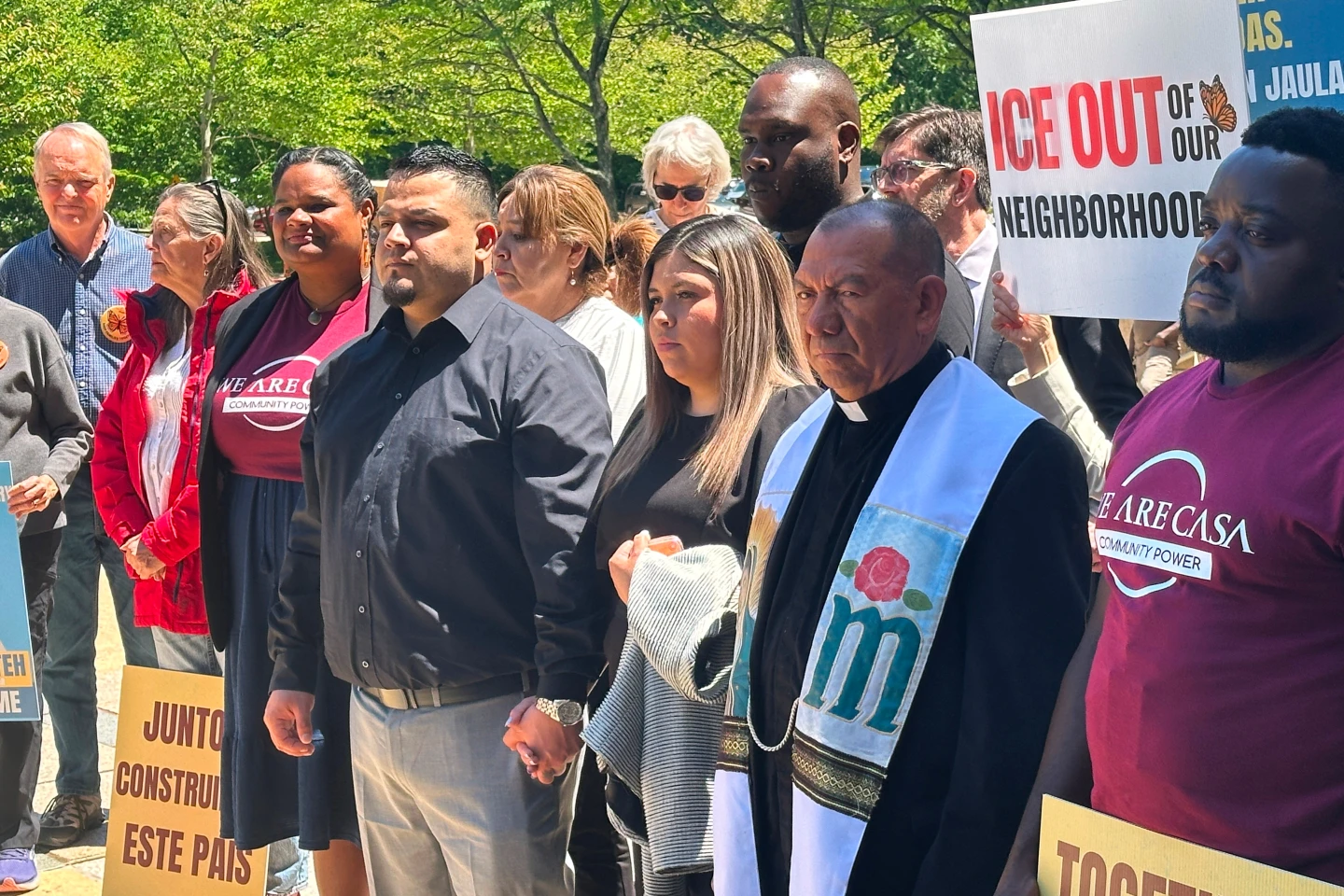
ATLANTA (Flux Daily) — As DNA collection from convicted criminals has become commonplace in the U.S. justice system, a proposed law in Georgia seeks to broaden this practice to include DNA samples from individuals charged with lesser misdemeanors, but only under specific circumstances related to federal immigration detainers.
The legislation would require local law enforcement to collect DNA from immigrants charged with misdemeanors if U.S. Immigration and Customs Enforcement (ICE) has issued a detainer request and has not taken the individual within 48 hours. This proposal follows similar measures in states like Florida and Oklahoma, which have also initiated DNA collection from immigrants suspected of being in the country illegally.
Context and Concerns Surrounding the Law
The legislative move comes amid a broader push by federal authorities to increase DNA and biometric data collection for immigration enforcement. Critics, including privacy advocates and legal experts, express alarm over the potential for discriminatory practices and the infringement of constitutional rights, highlighting how such measures could create a disproportionate impact on immigrant communities.
“We believe this is a significant overreach,” comments Mazie Lynn Guertin of the Georgia Association of Criminal Defense Lawyers. “Swabbing someone for a minor traffic violation is an unnecessary invasion of privacy, and it doesn’t correlate with public safety.”
Implications for Immigrants and Their Rights
Under the proposed law, individuals who could have their DNA collected may not ultimately be undocumented, as they may later prove their legal status. This legislation raises significant questions about the implications for borderline cases where immigrants facing minor misdemeanors are treated disproportionately. Potential legal challenges may hinge on whether civil detainer requests meet the threshold of probable cause necessary for DNA collection as per the U.S. Constitution.
The Georgia legislature argues that adopting DNA collection would be a powerful tool in ensuring justice and aiding criminal investigations. However, advocates argue that such laws increase surveillance on communities and facilitate systemic biases against noncitizens.
As the state approaches a vote, the outcome could be pivotal, setting a precedent for how law enforcement engages with marginalized communities and treats individuals facing minor infractions.