Since 2019, a secularism law in Quebec has barred some public sector workers, like judges, police officers, and teachers, from wearing religious attire at work. Now, the country's highest court is preparing to consider its future.
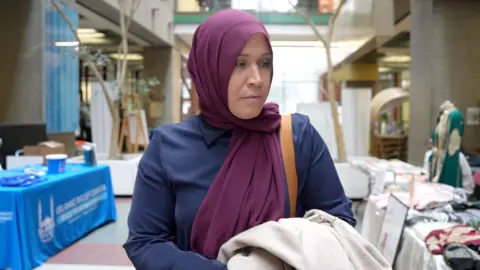
Lisa Robicheau describes her life as stuck between a rock and a hard place. The 41-year-old single mother of two, who wears a hijab, works in Montreal's English-language school system as a contract support worker for students with disabilities— a job she loves and where she is exempt from the current law.
But Robicheau can't help feeling anxious about her future and whether she will be able to continue working in a public school while being visibly Muslim in Quebec. The uncertainty has led her to enroll back in university, hoping to find a different job—or even leave the province.
I've spent the majority of my life here, but it never feels like home, she told the BBC. I am constantly being treated like an outsider.
Robicheau is one of several Muslim women living in Quebec who say their life and work have become increasingly difficult since the law—which bans religious symbols for public employees in positions of authority —was implemented seven years ago.
Proponents of the law—known as Bill 21—have long argued that it upholds secularism and neutrality in Quebec public life, a concept in known as laïcité in the majority French-speaking province and is not intended to discriminate against any one religion.
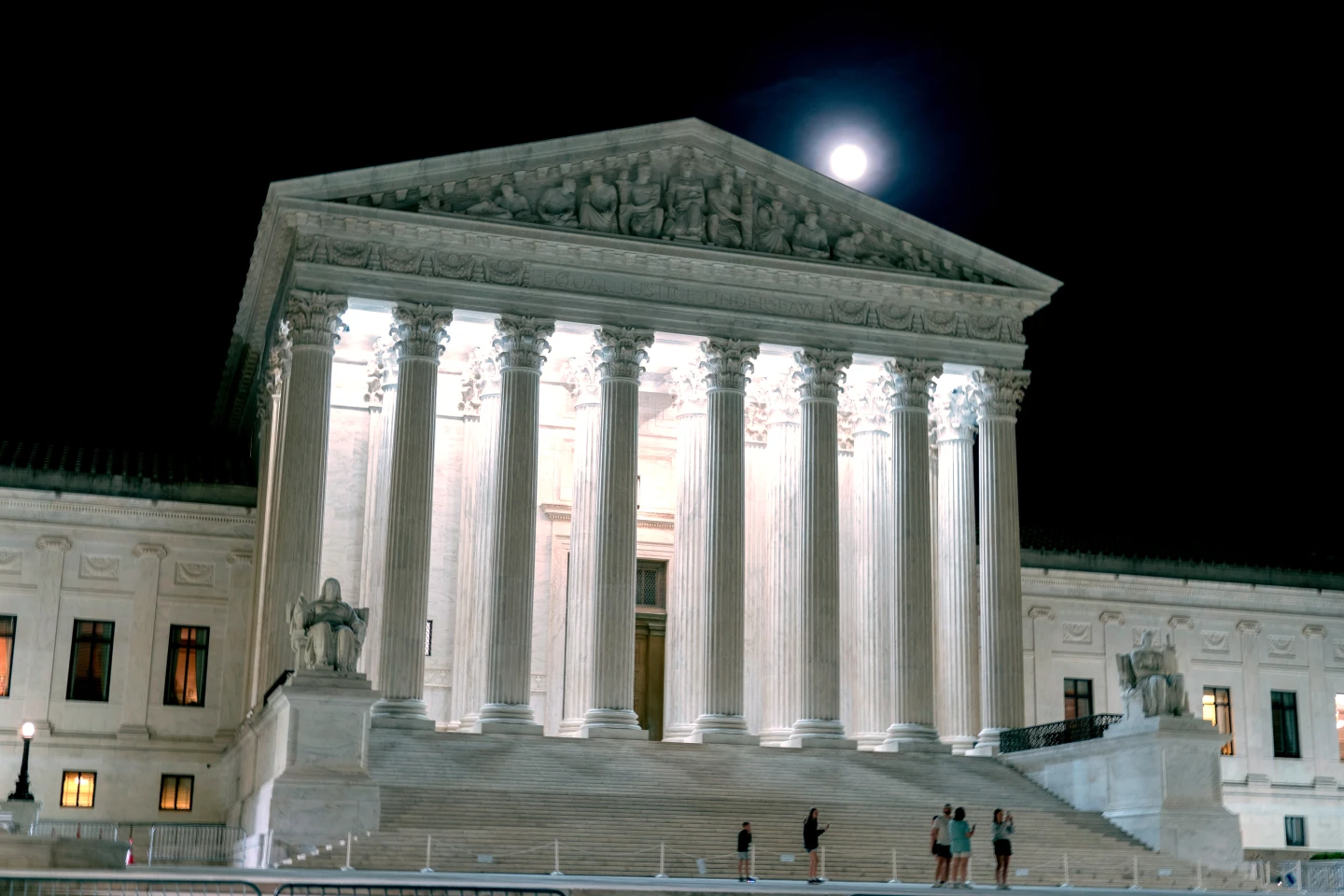
On Monday, the Supreme Court will begin a four-day hearing in Ottawa on a constitutional challenge to Bill 21.
Thirteen challengers brought the case to court, including the Canadian Civil Liberties Association, the National Council of Canadian Muslims, the World Sikh Organization of Canada and the English Montreal School Board.
Because Muslim women make up a larger share of Quebec's population than other religious minorities, they have been particularly affected, said Nadia Hasan, a researcher and associate professor at York University in Toronto.
Hasan has spoken to more than 400 Muslim women in Quebec about Bill 21. She found that 73% felt the secularism law affected their ability to look for a job, and a similar number said they have considered leaving the province. More than half said they experienced racist remarks or prejudice at work. Some said the law pushed them to apply for jobs within the Muslim community.
Other visible minority groups, like Jews and Sikhs in Quebec, have also voiced concerns about the impact of the law on their communities. Amrit Kaur, a Sikh teacher and one of the appellants in the case, noted the law had shattered her future as an educator in her home province, pushing her to relocate.
The Quebec government aims to expand secularism laws to include all staff at public schools and to ban prayer in public spaces. This legislative move stirs questions about preserving minority rights in the province and has become a topic of contentious debate.
The Supreme Court's deliberation may set a national precedent regarding the balance between secularism and religious freedoms in Canada.