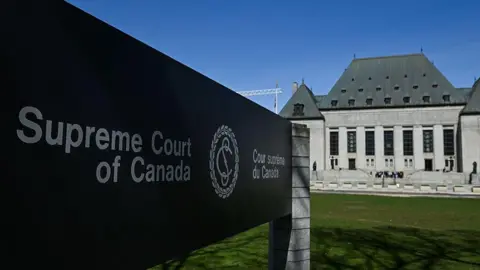
In a crucial hearing on Tuesday, the Supreme Court discussed the legality of the Trump administration's controversial immigration policy known as metering.
Metering, which limits the number of asylum seekers allowed to apply at the U.S.-Mexico border, has faced criticism for creating a humanitarian crisis during Trump's presidency, where many awaiting their turn were forced to live in precarious conditions in Mexico.
While many conservative justices signaled openness to the Justice Department's request to reinstate the policy, skepticism lingered regarding its humanitarian implications and the potential impact on individuals seeking legal asylum.
Justice Brett Kavanaugh posed direct questions about the rationale behind prioritizing individuals who enter the U.S. unlawfully for asylum applications.
The administration defends metering as a necessary strategy to control border inflow, arguing that it is within their rights to manage the asylum application process effectively. Attorney Vivek Suri stated that metering controls capacity, suggesting that the practice is not only legal but also vital for ensuring fair processing of asylum claims.
Critics argue that the policy undermines U.S. asylum laws, which allow anyone arriving at the border the right to apply for asylum, regardless of their method of entry.
The court's examination of this case is pivotal; should metering be reinstated, it could drastically alter the landscape for future migrants seeking refuge in the U.S. Previous rulings from a district court have blocked the implementation of metering, emphasizing the constitutional rights of applicants.
As the justices weigh the implications of this case, it remains uncertain how they will rule on a matter that intertwines legal standards with evolving immigration policies. The outcome could redefine the U.S. asylum process and potentially impact the lives of countless individuals seeking safety and refuge.