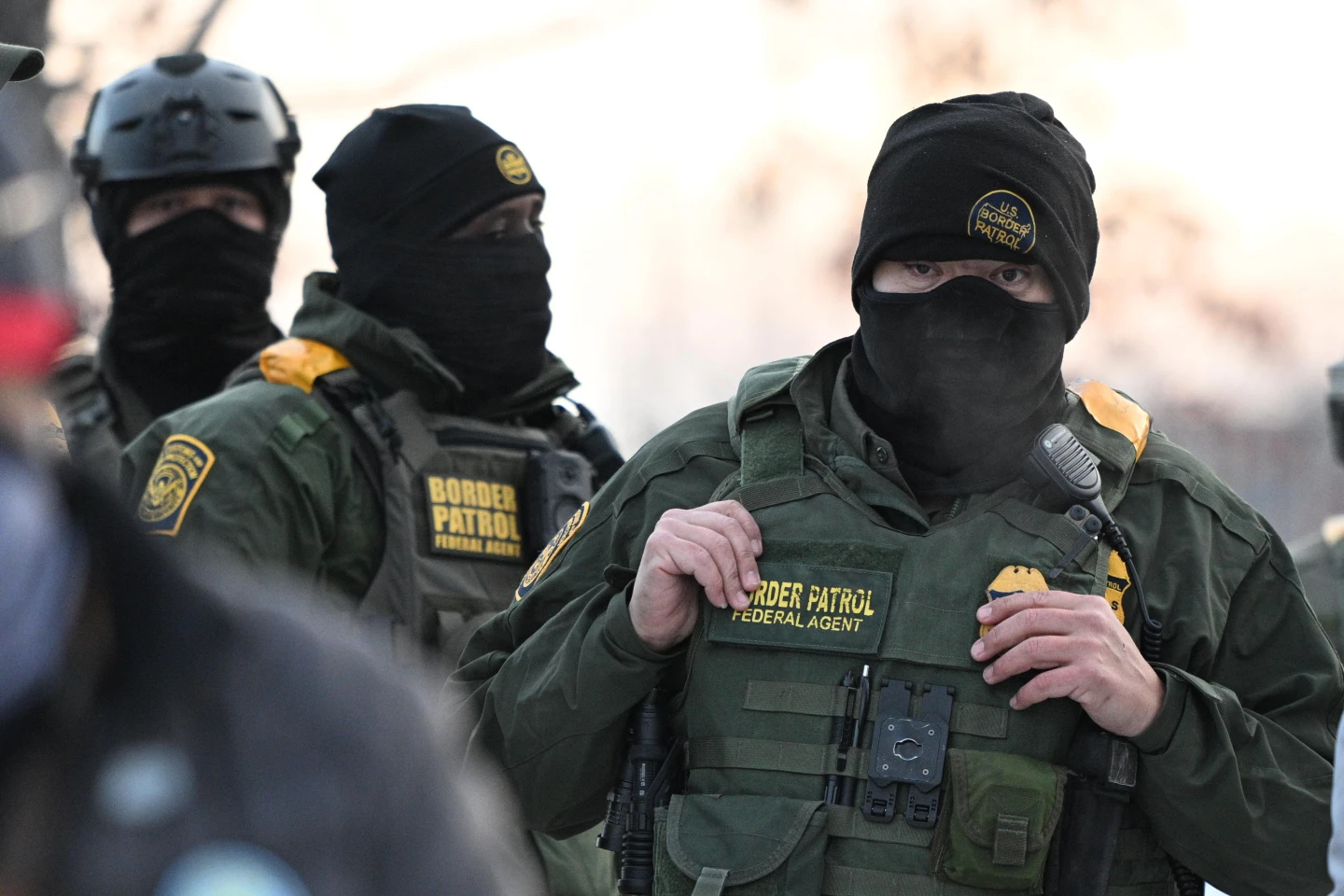
Proposals to prohibit federal immigration agents from masking their faces have gained new life in states — thanks in part to a court ruling that blocked the nation’s first such law, in California.
A little over a month after the California law was suspended, Washington state’s Democratic governor, Bob Ferguson, was set to sign a law limiting facial coverings for law enforcement officers. This measure will take effect immediately and could soon spread to other states.
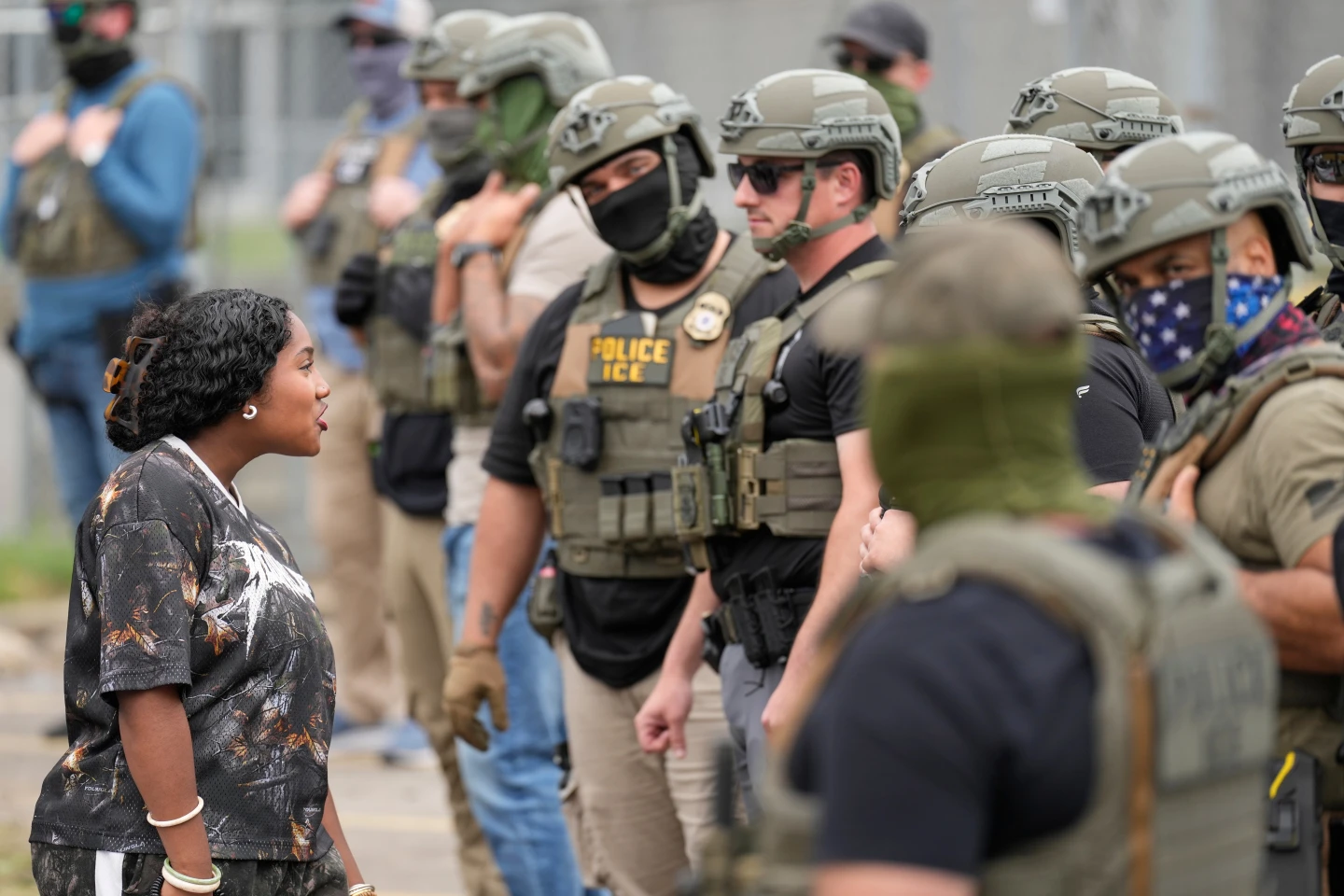
Similar anti-masking bills won approval from Democratic-led legislatures in Oregon and Virginia and have cleared at least one chamber in Hawaii, Maryland, and Vermont. These proposals aim to push back against recent immigration enforcement tactics, prompting criticism of masked federal agents for potentially acting with more aggression and without accountability.
The Department of Homeland Security denounced the new Washington measure as irresponsible, reckless, and dangerous, emphasizing that it will not comply with what they deem an unconstitutional ban.
The issue of constitutionality remains disputed. A federal judge had previously ruled that California’s mask ban discriminated against federal law enforcement by applying only to federal and local but not to state law enforcement officials. This ruling sparked discussions on whether other states could now impose similar laws.
Washington’s new law attempts to avoid discrimination claims by applying to all law enforcement officers, a distinction that many other proposed bills share. “I think that the California decision operated like a green light for some states considering similar legislation,” said Bridget Lavender, an attorney specializing in state democracy law.
Prompted by the Trump administration's allowance for individual officers to wear masks for protection, the push to restrict such practices began after incidents where federal immigration agents utilized masks during large-scale enforcement actions.
The public's right to know the identity of law enforcement officials is a prime concern for legislators like state Sen. Javier Valdez, who champions the bill. “Masking up creates intimidation and fear,” he stated, asserting that the public must recognize officers during law enforcement interactions.
Some lawmakers, however, expressed concerns regarding the perceived injustice in limiting mask use to law enforcement while allowing protesters to wear masks during events.
As the debate evolves, nearly a third of states have introduced or are considering similar restrictions, highlighting a complex web of public safety, accountability, and constitutional issues that continues to intrigue and divide lawmakers across the country.