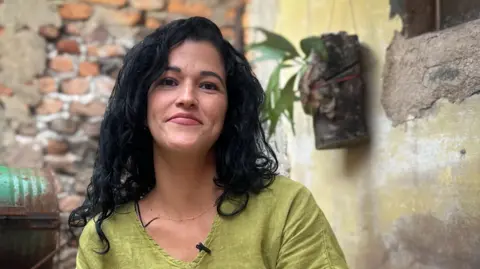
Since the Trump administration imposed a near-total fuel blockade on Cuba three months ago, Mauren Echevarría Peña has been inside a ward in Havana's specialist maternity and neonatal hospital. Mauren, 26, is expecting her first baby, but her pregnancy has been complicated.
I've had gestational diabetes and chronic hypertension, she explains, sitting on a bed at the Ramón González Coro maternity hospital. With her baby boy due this week, Mauren is understandably nervous.
Not only has she had to endure weeks of bed rest and constant supervision, but she must now give birth in a nation experiencing rolling blackouts and days-long power cuts. Over the weekend, there was another nationwide collapse of the crumbling electrical grid.
Still, Mauren is grateful for the attention she's received from the medical staff who have been working around the clock under extremely challenging conditions. They have done everything they can for me at the hospital, she says. They've given me the medicines and insulin I need for the health of baby and the placenta. Despite her fears of giving birth during a blackout, Mauren maintains a defiant spirit, asserting that the country will always find a way to move forward in a crisis.
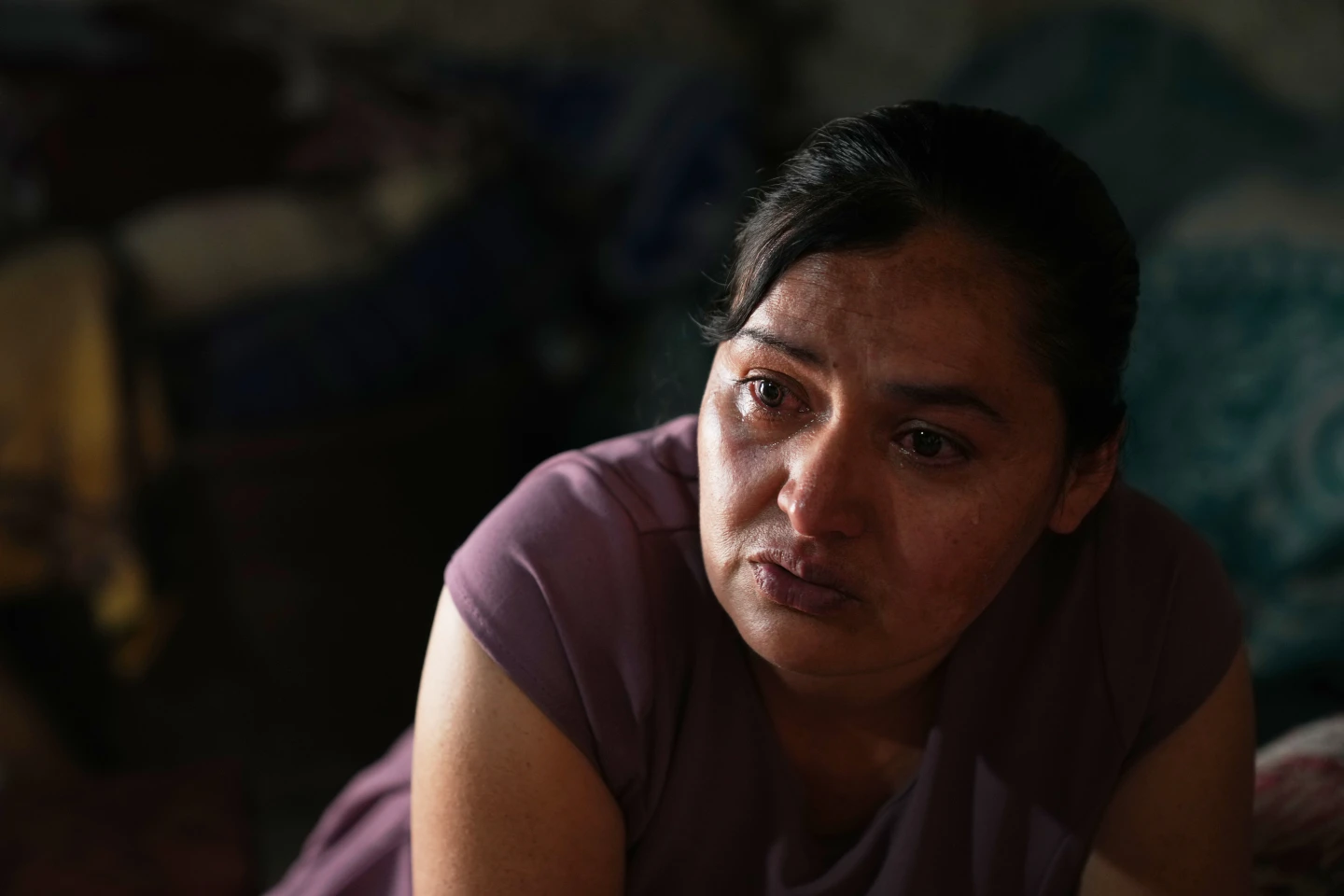
Similarly, expectant mother Indira Martínez, who is seven months pregnant, struggles in her home as power outages limit her ability to prepare food and meet her nutritional needs. Indira worries about the future her daughter will face, fearing that opportunities will be scarce in Cuba's deteriorating socio-economic climate. Indira puts forth an emotional plea, saying, How am I going to tell her she has no prospects in life? Because she won't have any.
The plight of Mauren and Indira highlights the grim reality for pregnant women in a country battling an energy crisis, food shortages, and extensive political turmoil as they navigate an uncertain future for their children.