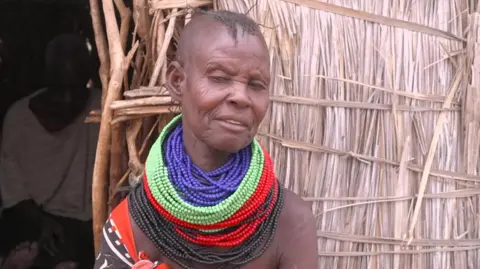
In the heart of Turkana, where the sun scorches and water is scarce, a community is grappling with the severe impacts of an ongoing drought. Lotkoy Ebey, who once tended a herd of 50 goats, now counts only five as drought has decimated her livestock. Livestock, essential not just for food but also for cultural identity, have dwindled as the land becomes increasingly barren.
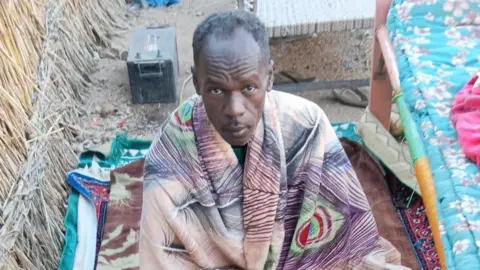
The situation has turned dire; children and adults alike experience hunger, often subsisting on one meal a day or less. Locals are now resorting to foraging wild fruits from the gingerbread tree, or 'mikwamo', to stave off starvation. Finding these fruits requires arduous treks of over three hours into the wilderness, but for many, it is one of the few remaining food sources.
Regina Ewute Lokopuu, a villager, shares, 'I don't know who brought this hunger, it's too severe.' Recently, the rains have finally fallen across parts of the region but officials warn that the relief could be too late and insufficient.
Humanitarian aid has dried up, and families like Ebey's have not received traditional support from either the government or aid agencies, compounding their struggles. As the region's food crisis deepens with millions facing acute hunger, the resilience of this community is tested.
In these harsh conditions, the commitment of aid organizations like the Red Cross remains the ray of hope, albeit a fragile one. The Kenyan government has announced plans for food distributions, but with so many in need, locals continue to call for urgent assistance to navigate this unprecedented crisis.
The situation has turned dire; children and adults alike experience hunger, often subsisting on one meal a day or less. Locals are now resorting to foraging wild fruits from the gingerbread tree, or 'mikwamo', to stave off starvation. Finding these fruits requires arduous treks of over three hours into the wilderness, but for many, it is one of the few remaining food sources.
Regina Ewute Lokopuu, a villager, shares, 'I don't know who brought this hunger, it's too severe.' Recently, the rains have finally fallen across parts of the region but officials warn that the relief could be too late and insufficient.
Humanitarian aid has dried up, and families like Ebey's have not received traditional support from either the government or aid agencies, compounding their struggles. As the region's food crisis deepens with millions facing acute hunger, the resilience of this community is tested.
In these harsh conditions, the commitment of aid organizations like the Red Cross remains the ray of hope, albeit a fragile one. The Kenyan government has announced plans for food distributions, but with so many in need, locals continue to call for urgent assistance to navigate this unprecedented crisis.