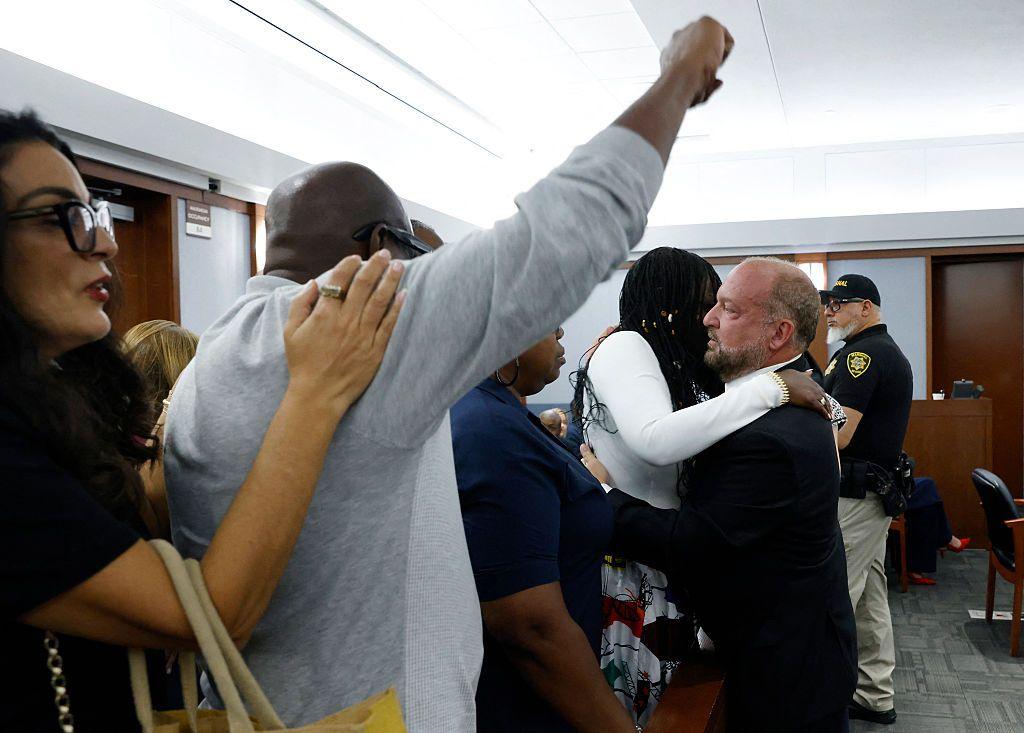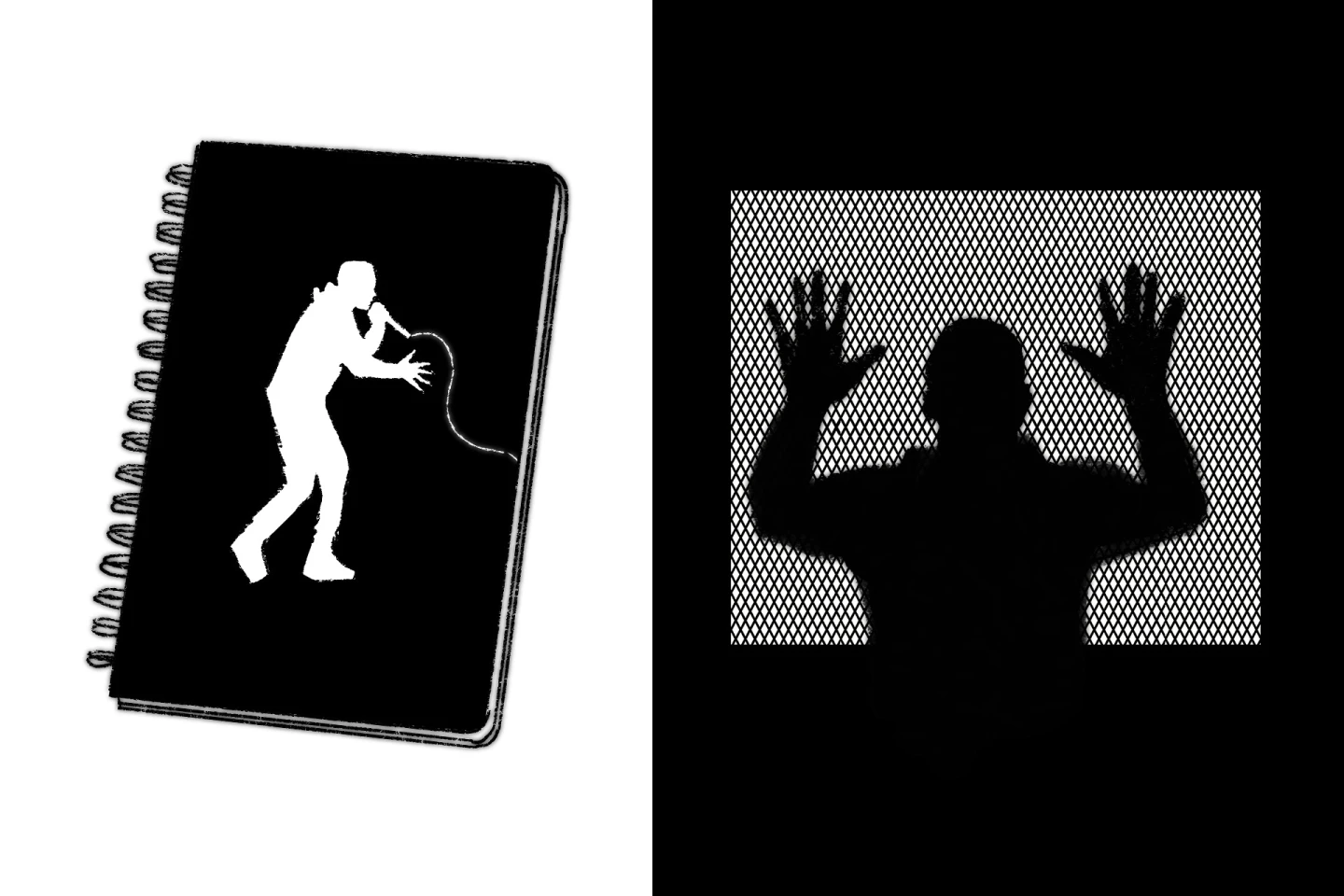
In recent months, the introduction of rap lyrics as evidence in court cases has stirred significant debate about artistic expression and racial bias. James Broadnax, facing execution after a conviction for murder, had his rap lyrics used against him, revealing the prejudicial narratives that can play a pivotal role in legal outcomes.
Prosecutors assert that these lyrics indicate gang involvement and offer motives for alleged crimes, often discounting their artistic context. As seen in several prominent cases nationwide, the legal system has increasingly treated rap lyrics as autobiographical accounts, rather than recognizing them as creative expressions.
Critics argue this practice disproportionately targets young men of color, perpetuating harmful stereotypes and ignoring the metaphorical nature of many rap lyrics. In a study, respondents viewed rap lyrics as confessions while considering lyrics from other genres purely as artistic. This stark difference hints at underlying racial biases in how society perceives different forms of music.
Recent legislation efforts aim to shield artistic expressions from being used as evidence in court, addressing concerns about fairness and bias in their application. As discussions continue, the intersection of art and law challenges perceptions, underscoring an urgent need for clarity in how creative content is treated in judicial processes.