In brief
The latest report from the National Institute of Early Education Research reveals that state-funded preschool enrollment for 4-year-olds in the U.S. has reached a record high of 1.8 million, marking a 37% participation rate. While California's program leads the surge, concerns arise over quality benchmarks and the future of private preschool operations in light of universal access initiatives.
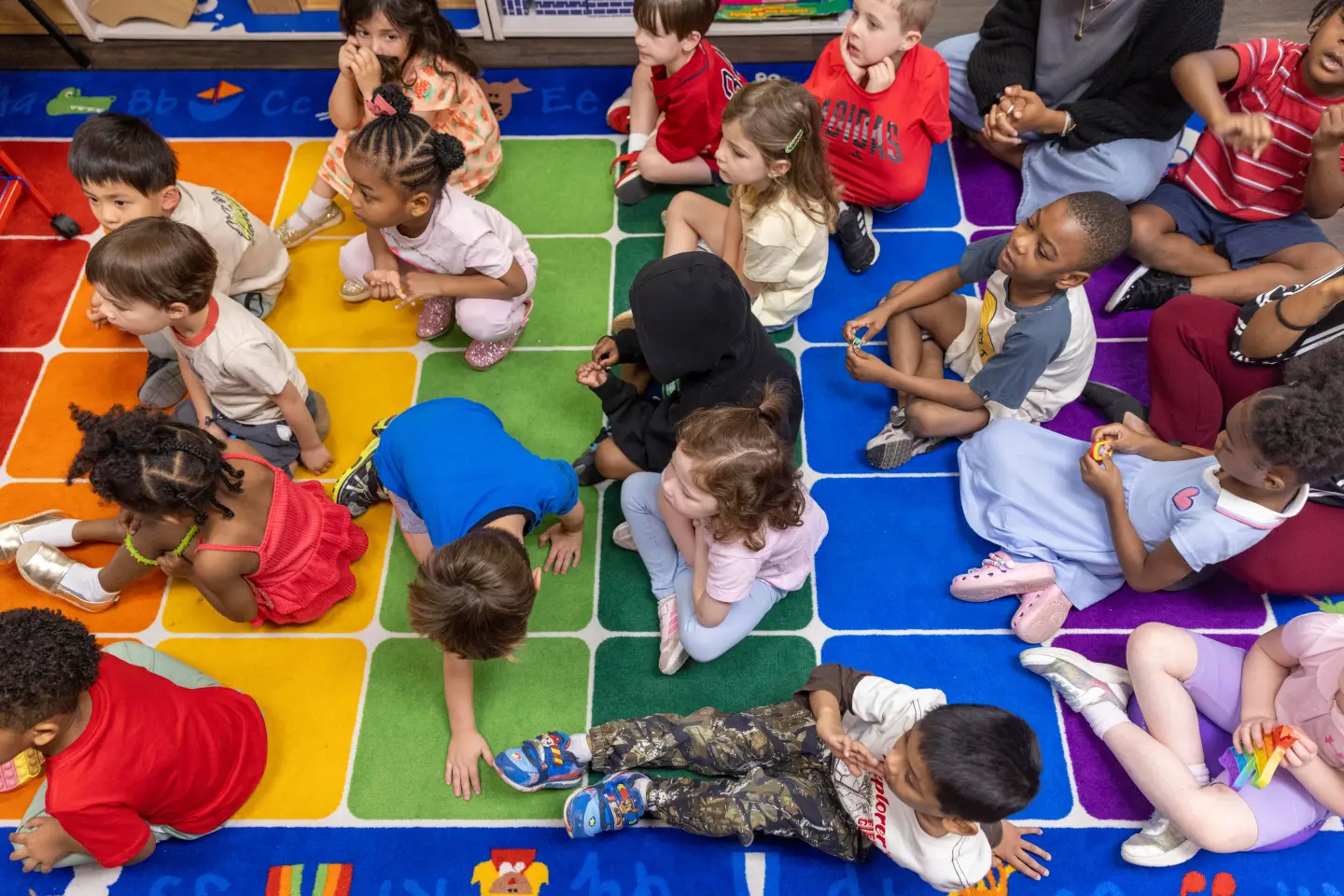
In an unprecedented move, the number of 4-year-olds enrolled in state-funded preschool in the U.S. has surged to record levels, with participation climbing to 1.8 million children for the last school year. This growth represents a remarkable increase towards universal preschool access, further fueled by an infusion of $14.4 billion in funding directed at these programs across states.
According to the latest annual report from the National Institute of Early Education Research, this milestone marks 37% of 4-year-olds enrolled in state-funded preschools, along with a notable 10% of 3-year-olds. While states have collectively introduced around 44,000 new students to preschool this fiscal year, the progress remains uneven, with some states experiencing setbacks in accommodating preschool access.
In addressing this disparity, the report's authors likened varying state performances in preschool enrollment to a race: If providing high-quality preschool education to all 3- and 4-year-olds were a race, some states are nearing the finish line, others have stumbled and fallen behind, and a few have yet to leave the starting line.”
Leading this enrollment surge, California has embraced a universal program, making every 4-year-old eligible for its transitional kindergarten (TK) initiative. This move has expanded preschool availability statewide, adding roughly 25,000 new participants. However, the initiative has also highlighted concerns over preschool quality benchmarks, with California reportedly only meeting 2 out of 10 established criteria regarding teacher training and class size.
As preschool participation expands, so too do the concerns for private early-childhood education businesses. Teachers and administration within these privately-operated systems speculate that the mass influx of children into public preschool settings could threaten their livelihood, leading to necessary adaptations in business models. Jessica Sawko, aChildren Now advocate, articulated that significant groundwork still lies ahead: “Universal TK ... is a real win, but it’s also just the start of the work and not the end of it.”
While many states grapple with the implications of increased enrollment, evidence increasingly suggests that access to early childhood education plays a crucial role in children's long-term success. Studies have indicated that high-quality preschool experiences can substantially improve outcomes such as readiness for kindergarten, high school graduation rates, and future employment opportunities.
Educators now expect children entering kindergarten to have adequate preparatory experiences, raising the stakes for states in how they manage preschool offerings and quality standards.
Reflecting the diverse landscape of preschool access across the U.S., this report underscores the urgent need to balance accessibility with quality as states continue to expand their funding and programs.