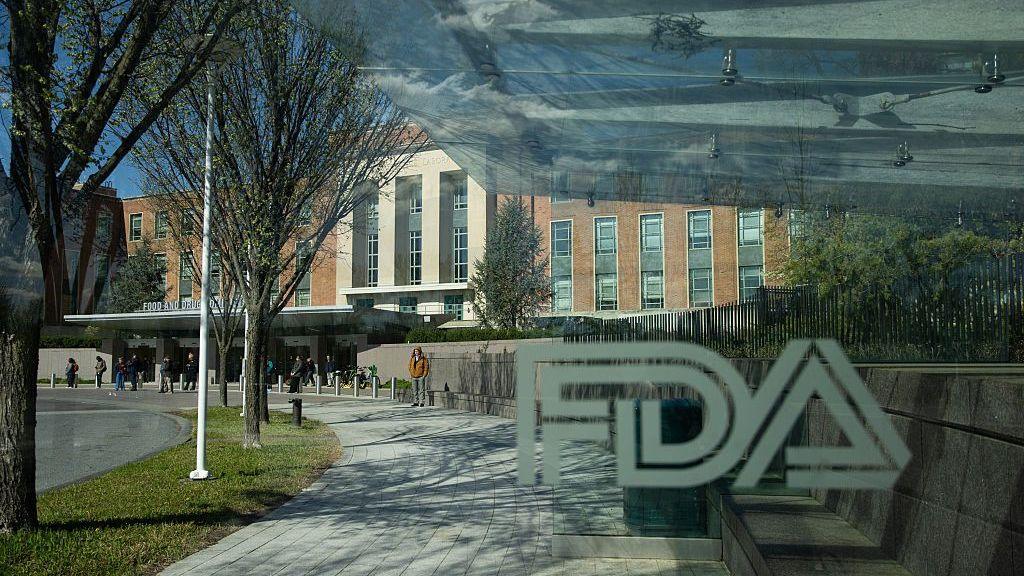
WASHINGTON (AP) — In a groundbreaking shift for mental health treatment, the Food and Drug Administration (FDA) announced on Friday it will fast-track reviews for three psychedelic drugs designed to address severe mental health conditions, including various forms of depression. This decision hints at the Trump administration's growing acknowledgment of alternative medicines within the mental health sphere.
The ambitious plan follows an executive order signed by President Donald Trump, encouraging federal agencies to accelerate access to psychedelics, which are classified as illegal substances under federal law.
The FDA has allocated priority review vouchers to two pharmaceutical companies researching psilocybin, the active compound in magic mushrooms, aimed at treating difficult-to-manage depression. A third company received a voucher for methylone, a related compound used to treat post-traumatic stress disorder (PTSD). The specific names of these companies were not disclosed in the initial press release.
While obtaining these vouchers does not guarantee drug approval, it significantly shortens the review timeline from months to just weeks, potentially facilitating faster access to vital medications.
The renewed focus on psychedelics also corroborates a rising demand among diverse groups, including veterans and health advocates, for integrating these substances into therapeutic practices, as promoted by initiatives like the Make America Healthy Again movement spearheaded by Health Secretary Robert F. Kennedy Jr.
In parallel efforts, Congress has been under scrutiny regarding the ethical implications of such expedited processes, especially as the vouchers appear to favor companies politically aligned with the administration. Critics argue that this lapses in regulatory scrutiny may favor special interests over public health needs.
Looking ahead, the FDA's advancement in approving psychedelics for medical purposes could usher in a transformative phase in mental health therapy, reflecting broader societal shifts in treating psychological disorders.
The implications of this policy will be closely monitored as drug developers and health professionals anticipate new avenues for effective treatment options.