SpaceX IPO: Musk’s Rocket‑Red Economic Gamble
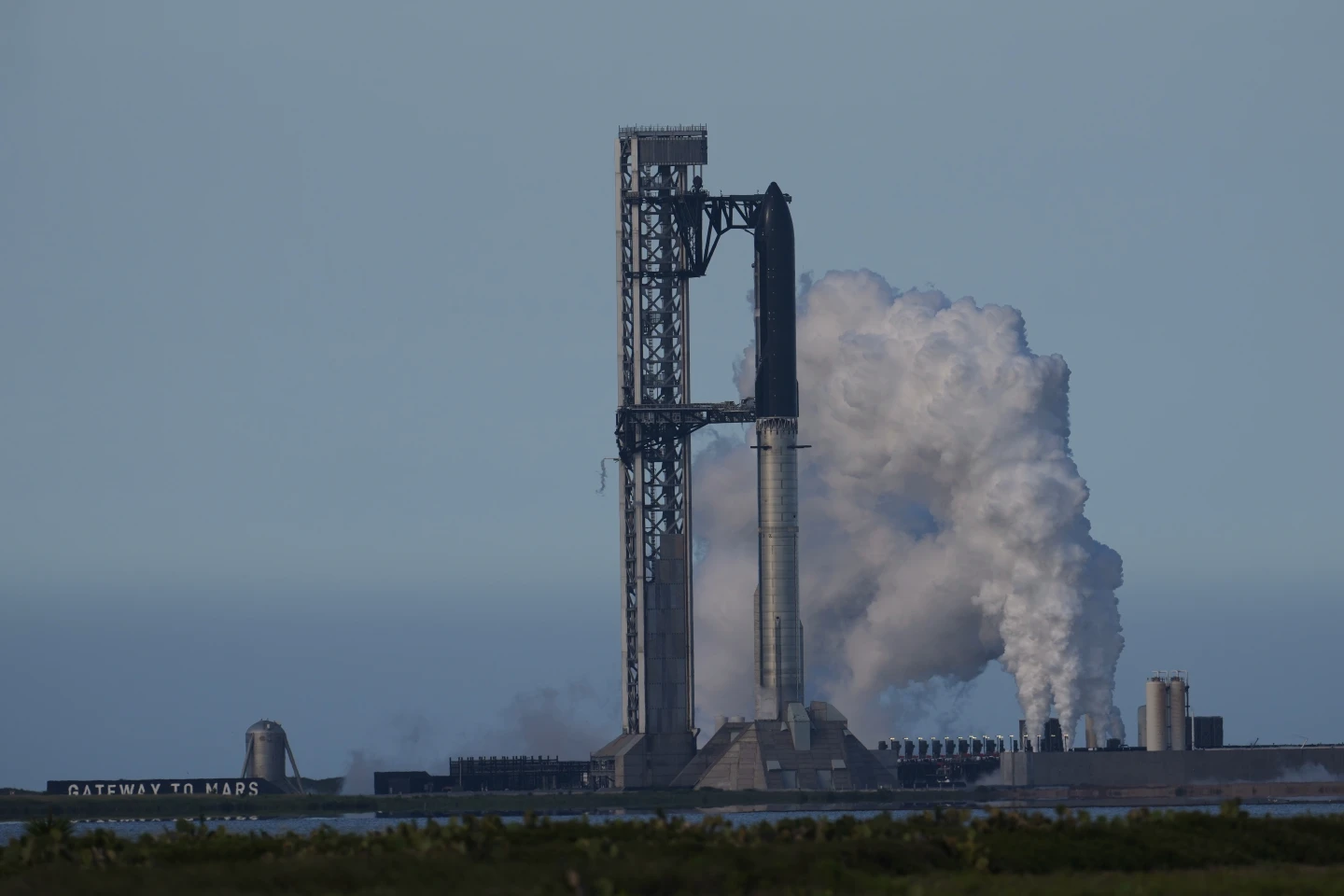
When it launched a month ago, Starship’s decision to sell 5 % of its shares for a price that caps its value at about $1.75 trillion was almost as exciting as the launch itself. It is the biggest company‑sale in history that doesn't merely aim to hop onto the big‑money list, but to prototype humanity’s next frontier.
The Numbers Behind a Starship
The valuation calculation – based on Musk’s engineering swoop and the future of AI, Starlink data hubs, and a Martian rover road‑map – is driven by an optimistic $28 trillion AI potential. SpaceX’s core businesses (rocket propulsion, satellites, and launch services) despite their costly head‑count total to only roughly $300 bn – less than 20 % of the figure. The rest turns on the brand, its mega‑project risks and future wage options; employees and investors are trading “Elon Musk equity” more than a space‑industry stake.
Control, Governance, and the Investor Pull‑Factor
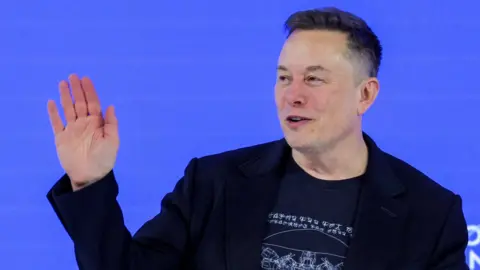
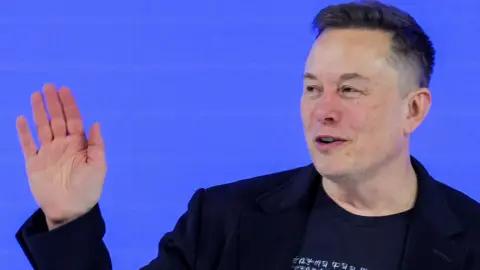
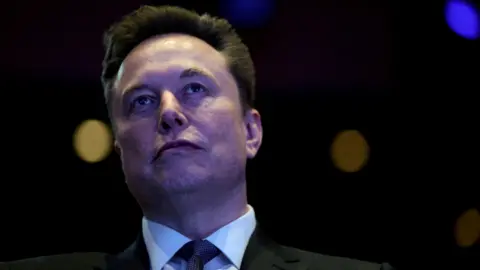
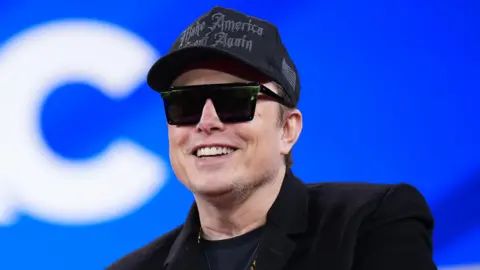
Musk owns 42 % of the firm. By using “dual‑class” shares his voting weight moves to 85 %. A stakeholder who cannot actually tip the scales is willing to pay a premium not for equity rights but for the brand aura. This design has attracted every money‑hungry portfolio or retail investor hungry for a piece of the future, but it also raises governance questions about corporate democracy.
Future Tech & AI – The Real Bet
SpaceX’s prospects lie as much in its AI subsidiary, xAI, as the starship. The company foresees space‑based data centres coded as the next generation of Internet infrastructure—an AI power‑grid that may discount every terrestrial server rack. Whether this yields the projected market is yet to be studied, but the market’s willingness to pay for it suggests the symbolic weight that Elon Musk entrusts to the future of AI.
A Potential Dot‑Com‑Wave Returns
Similar to the dot‑com boom, the present wave of space‑tech IPOs could create supply glut that shortages of demand might not absorb. Each subsequent larger tranche will push prices down if investors lose confidence. Conversely, new index funds that back mega‑cap names might hostage growth. These dynamics should be watched closely in the months after the launch.
What Investors Should Ask
Buyers must weigh the value of physical control against the elitist brand. A margin of security arises that could make Musk the very first trillionaire again, but with a huge shared ownership and an AI‑dependent business model, risk is intrinsic. The trending interest among UK retail brokers points at an opening for a generation of new investors, but the in‑house premium on “Musk share” calls the hedge‑fund models and political decisions used on mega‑captains into question.
Bottom Line
The SpaceX IPO isn’t only about money – it is a gamble on the future of space, AI, and quantum‑shifted control. Every timeline in the multiverse could be tipped by this sitution, and its careful reading now could reveal the next barycentric epoch in human societies. Pay attention. The returns of this decision across orbits and markets will reverberate for decades – if not centuries.