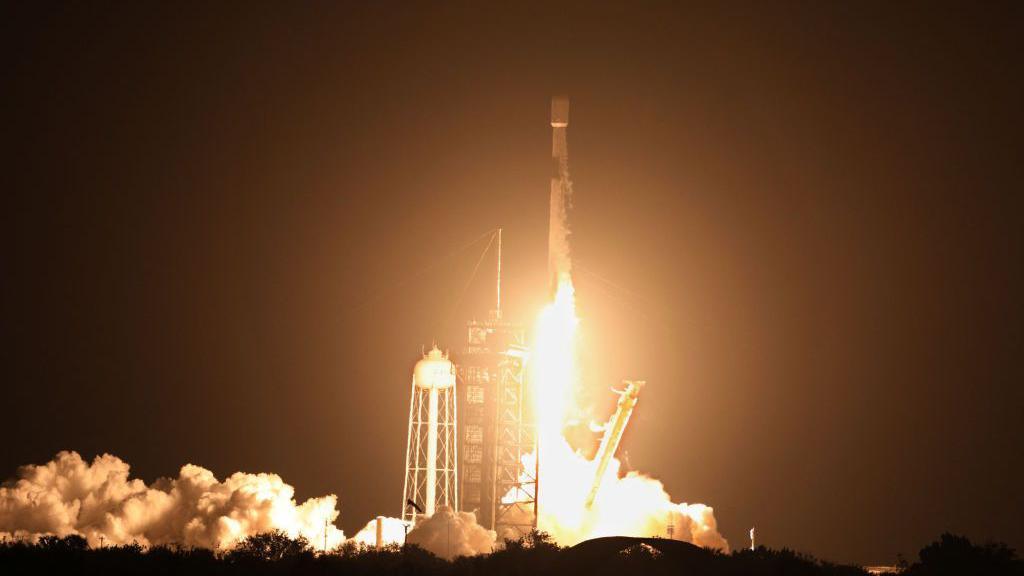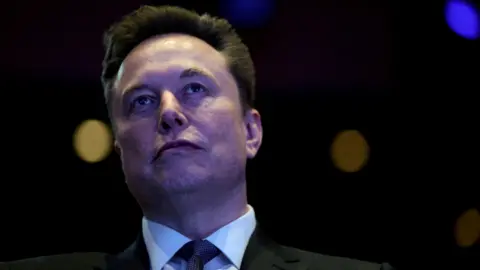
Elon Musk's SpaceX has taken a bold step towards revolutionizing artificial intelligence capabilities by applying to the Federal Communications Commission (FCC) to launch a staggering one million satellites into orbit. The primary goal behind this extensive satellite deployment is to create 'orbital data centers,' which are touted as the most efficient means to meet the growing demand for computational power driven by AI.
Traditionally, data centers rely on vast warehouses filled with powerful servers that process and store data. However, SpaceX asserts that the rapid rise in AI usage is outpacing the capabilities of existing terrestrial data processing infrastructures. If approved, this new network could significantly increase the number of satellites in SpaceX's Starlink constellation, which currently boasts nearly 10,000 satellites. The growing number has already raised concerns about space congestion, an issue Musk has publicly denied.
The application highlights the visionary nature of the project, proposing that the orbital data centers would significantly cut down on energy and operational costs compared to conventional data centers. SpaceX claims that the solar-powered satellites would provide the necessary computer capacity to serve billions of users globally.
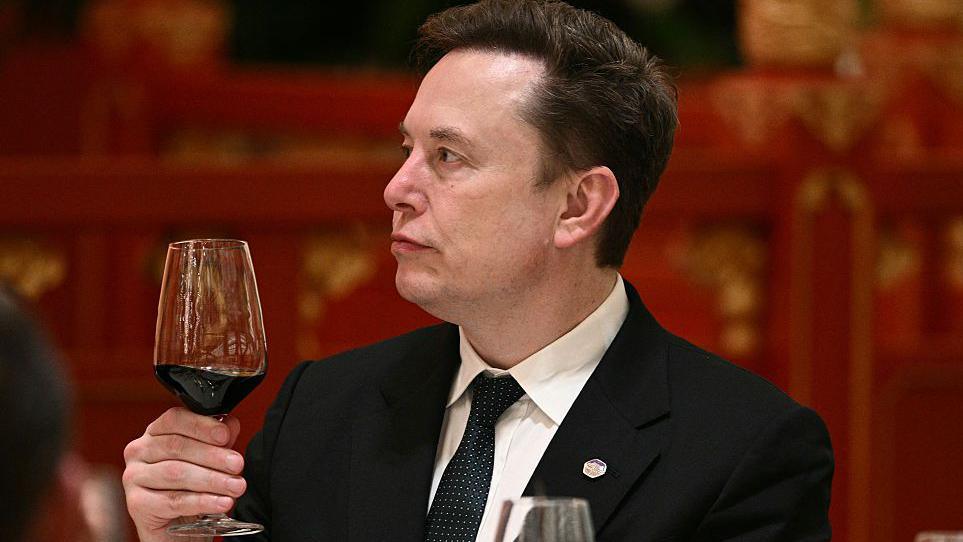
Elon Musk has expressed bold ambitions, suggesting that this initiative could be the first step towards transforming humanity into a Kardashev II-level civilization—an advanced society capable of harnessing the full power of the sun, as theorized by a 1960s astronomer.
Musk took to his social media platform, X, to assure the public that these satellites would be so spaced out their individual visibility would be scarce, emphasizing the vastness of space.
The orbital data centers would operate in low-Earth orbit, between 500 to 2,000 kilometers above sea level, aligning with the current operational heights of Starlink satellites. While SpaceX's plan promises to be a greener alternative requiring less power and water for cooling purposes, experts caution about the significant costs associated with launching hardware into orbit and the complexities posed by existing space debris.
Concerns have also been raised about increasing collision risks between satellites, potentially causing damage and leading to materials falling back to Earth. Additionally, astronomers have expressed frustrations about Starlink’s radio waves interfering with telescope observations.
Despite these challenges, Musk firmly holds that the benefits of his ambitious venture will outweigh the risks as he seeks to expand SpaceX's influence and capabilities in the realm of satellite technology.
Traditionally, data centers rely on vast warehouses filled with powerful servers that process and store data. However, SpaceX asserts that the rapid rise in AI usage is outpacing the capabilities of existing terrestrial data processing infrastructures. If approved, this new network could significantly increase the number of satellites in SpaceX's Starlink constellation, which currently boasts nearly 10,000 satellites. The growing number has already raised concerns about space congestion, an issue Musk has publicly denied.
The application highlights the visionary nature of the project, proposing that the orbital data centers would significantly cut down on energy and operational costs compared to conventional data centers. SpaceX claims that the solar-powered satellites would provide the necessary computer capacity to serve billions of users globally.
Elon Musk has expressed bold ambitions, suggesting that this initiative could be the first step towards transforming humanity into a Kardashev II-level civilization—an advanced society capable of harnessing the full power of the sun, as theorized by a 1960s astronomer.
Musk took to his social media platform, X, to assure the public that these satellites would be so spaced out their individual visibility would be scarce, emphasizing the vastness of space.
The orbital data centers would operate in low-Earth orbit, between 500 to 2,000 kilometers above sea level, aligning with the current operational heights of Starlink satellites. While SpaceX's plan promises to be a greener alternative requiring less power and water for cooling purposes, experts caution about the significant costs associated with launching hardware into orbit and the complexities posed by existing space debris.
Concerns have also been raised about increasing collision risks between satellites, potentially causing damage and leading to materials falling back to Earth. Additionally, astronomers have expressed frustrations about Starlink’s radio waves interfering with telescope observations.
Despite these challenges, Musk firmly holds that the benefits of his ambitious venture will outweigh the risks as he seeks to expand SpaceX's influence and capabilities in the realm of satellite technology.