Slovenia Leads EU with Fuel Rationing Amid Rising Prices
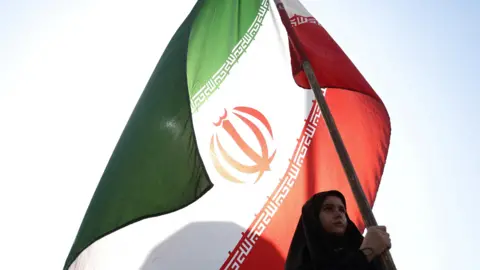
In an unprecedented move, Slovenia has become the first EU country to enforce fuel rationing as a response to global energy disruptions triggered by conflict in the Gulf region. The recent US-Israeli strikes on Iran and subsequent unrest have led to increased pressure on fuel supplies, prompting Slovenia to take drastic measures.
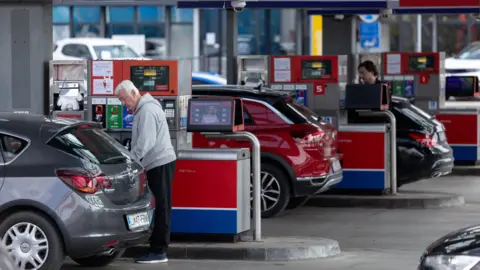
With many nations facing steep rises in fuel costs, Slovenia has seen a surge in 'fuel tourism' as drivers from neighboring countries, particularly Austria, flock to its petrol stations for lower regulated prices. In response, the Slovenian government has instituted a limit on fuel purchases, permitting private motorists to obtain no more than 50 liters per day, while businesses and farmers will have access to up to 200 liters.
Prime Minister Robert Golob confirmed that there is an ample supply of fuel in Slovenia, reassuring the population that warehouses are well-stocked and that there should be no shortages. The petrol stations are tasked with enforcing these new rules, which aim to prevent excessive fuel accumulation among consumers.
This regulatory measure reflects a broader trend of countries implementing controls in times of energy crises. For instance, Hungary has already capped fuel purchases to 30 liters, signaling a regional move towards rationing in response to soaring prices. Currently, a liter of Euro-super 95 petrol costs approximately €1.47 in Slovenia, while in Austria, it approaches €1.80, prompting many local drivers to refuel across borders.
The political ramifications are unfolding, with some Austrian officials criticizing the situation. Politician Herbert Kickl has taken to social media to spotlight queues of Austrian vehicles waiting at Slovenian stations, questioning the necessity for cross-border refueling trips due to economic disparities.
As Slovenia implements these measures and navigates the complexities of both local and regional responses, it remains clear that the challenges of fuel supply and pricing will continue to shape not only the market dynamics but also the political landscape in Central Europe.