Fuel sales halted in occupied Crimea as Ukraine targets oil facilities
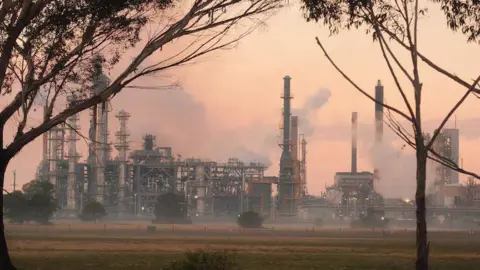
Russian‑backed authorities in Crimea have suspended public fuel sales after Ukrainian attacks on the peninsula’s oil infrastructure intensified. The move is part of a broader campaign that aims to choke off logistics routes used by the Russian‑occupied territories.
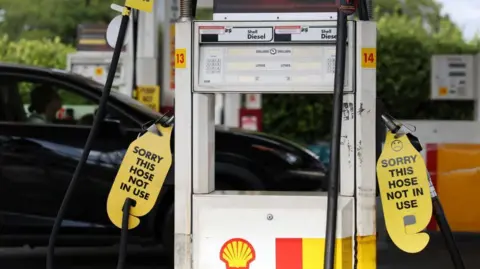
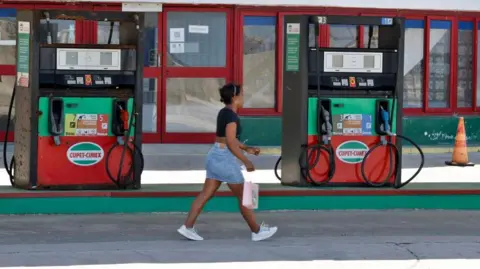
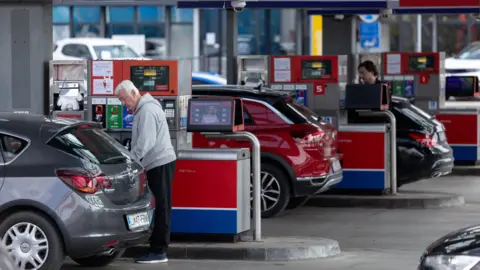
Governor Sergey Aksyonov announced that fuel would only be sold to government agencies to maintain Crimea’s “functioning and security.” He said the public and businesses would be turned away from petrol stations and that further decisions on the fuel market would be announced later.
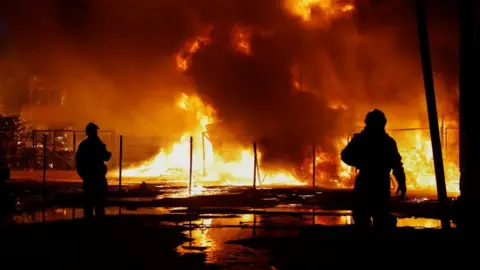
The suspension follows reports that a Ukrainian drone strike on an oil depot in Kerch killed four people and injured 28. The blockade marks the most severe fuel restriction in the region to date.
Ukraine’s focus on hitting fuel logistics is driven by a strategy to weaken Russia’s war finance and maximize disruption for the Russian population. Moscow’s defence ministry reported that 239 Ukrainian drones were intercepted overnight.
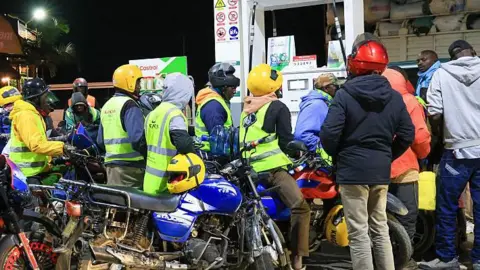
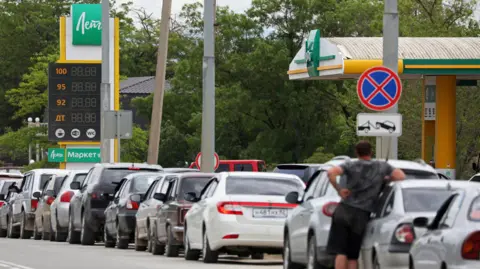
Crimea’s position—both as a strategic launch point for Russian strikes into Ukraine and as a popular summer holiday destination—makes the restriction especially impactful. Many Russians travelling to or from the peninsula are struggling to find petrol to return home.
With ceasefire talks stalled and Putin rejecting Khron mentions of face‑to‑face talks, the ongoing supply cuts underscore the shifting power dynamics in the conflict.
Ukraine’s fast‑growing defence sector continues to develop advanced drone capabilities, offering both military pressure and economic disruption. The current fuel halt is a stark reminder of the multi‑layered nature of the war and its impact on civilian life in Crimea.