Cuba Tourism Collapses as U.S. Sanctions Tighten
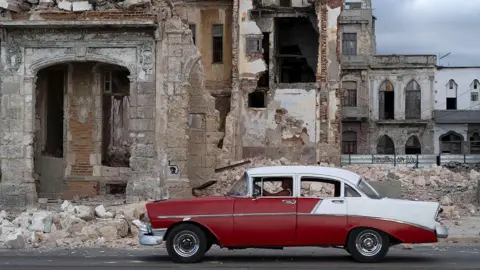
Cuba’s tourism industry is in freefall: the island welcomed fewer than 360,000 foreign visitors in the first five months of 2026, a dramatic 58.4% decline from 2025.
The fall follows a fresh wave of U.S. sanctions that cut off key airlines and hotels from Cuba, preventing entry for tourists. Air Canada suspended its flights to Havana indefinitely, citing “ongoing political and economic uncertainty.” Spanish hotel groups Meliá and Iberostar similarly halted operations ahead of a June 5 deadline that forces U.S. companies to stop doing business with the Cuban army‑controlled conglomerate GAesa.
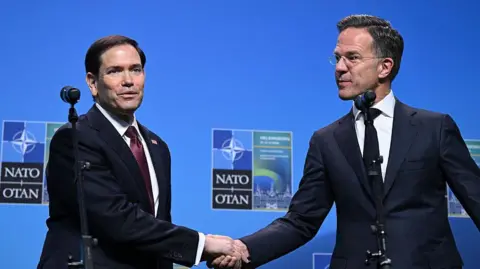
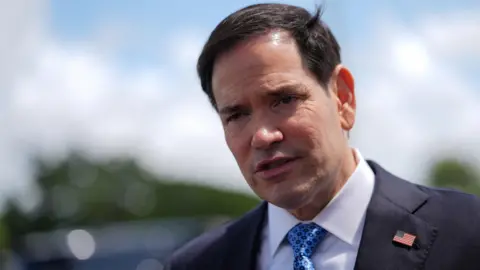
Marco Rubio, U.S. Secretary of State, has branded GAesa a “state within a state” that hoards profits for an elite and suppresses dissent. His comments highlight the U.S. aim to pressure Havana by targeting the island’s critical back‑end economy.
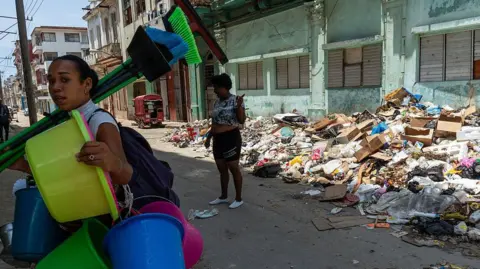
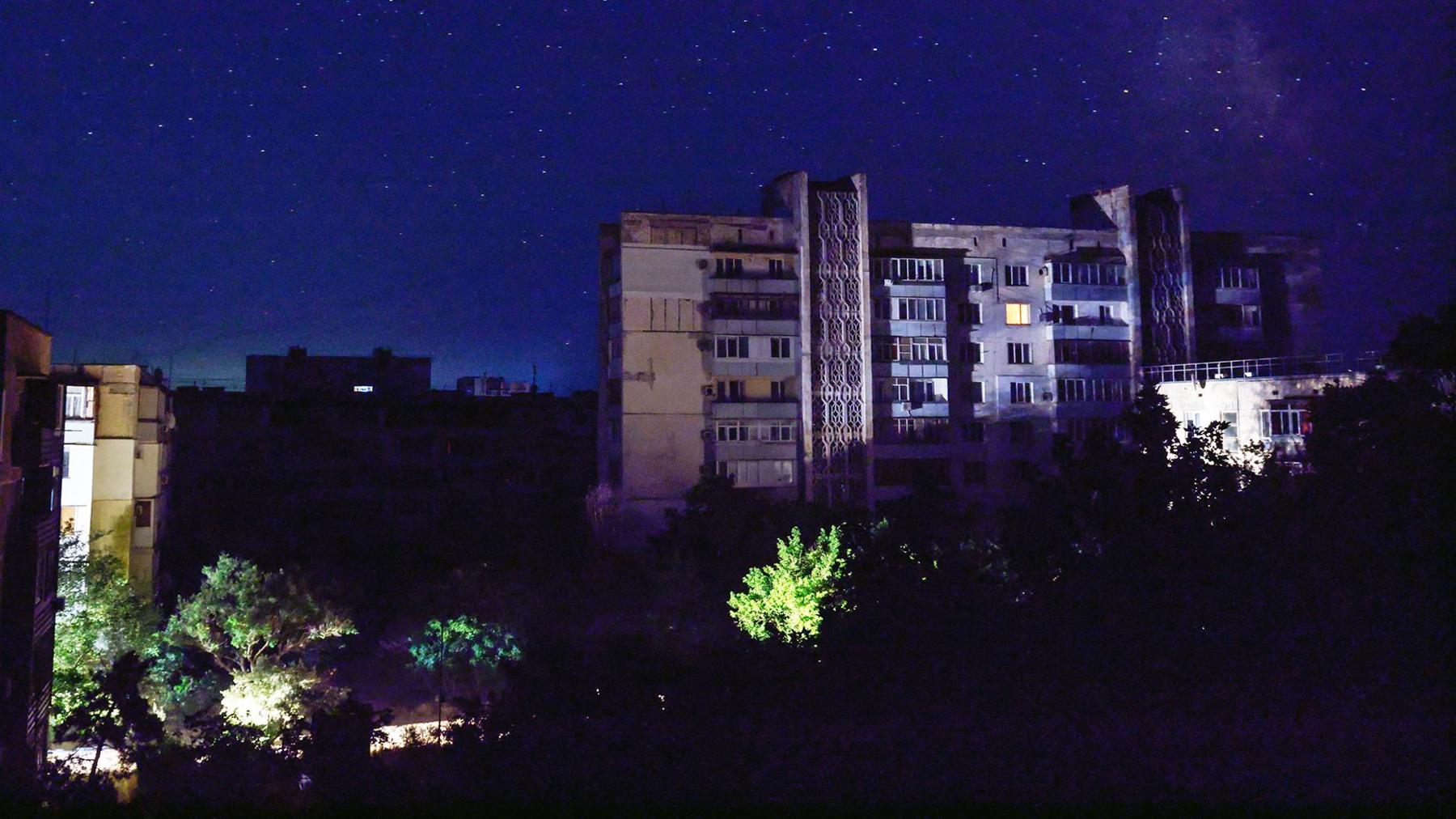
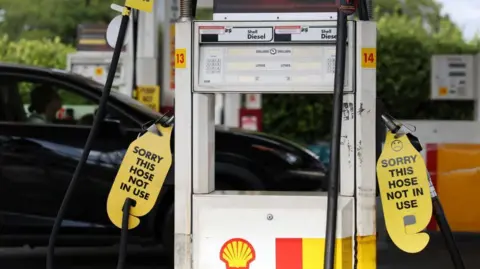
The sanctions, together with an effective oil blockade, give rise to deepening shortages of fuel, medicine and food. Hospitals are racing to keep life‑saving drugs and equipment running, while trains and buses have stopped due to lack of diesel. The collapse also impacts everyday life: garbage trucks grind to a halt, leaving piles of refuse, and electricity supply is cut to only a couple of hours a day, hampering even the production of simple communion wafers in Havana monasteries.
Reports from the Cuba state‑run news outlet Cubadebate show that the survival rate for children with cancer has fallen from 85% to 65% since January, after the U.S. threatened sanctions on any country or company supplying oil.
Cuban citizens have begun to protest—something rarely seen on the island—amid frequent, lengthy blackouts and economic hardship. The situation demonstrates how U.S. pressure not only weakens Cuba’s tourism sector but also destabilises public health and civic life.