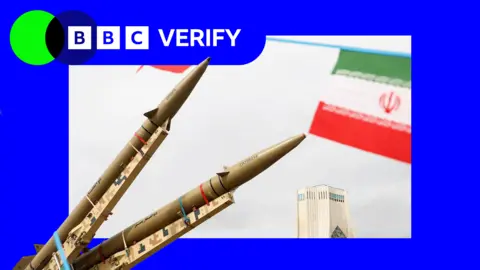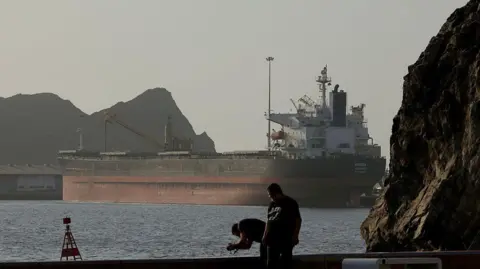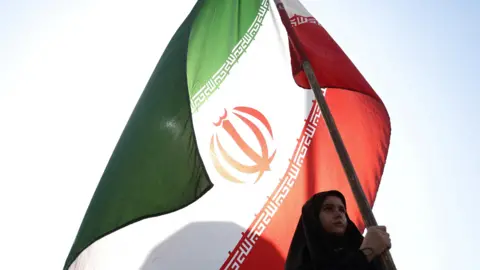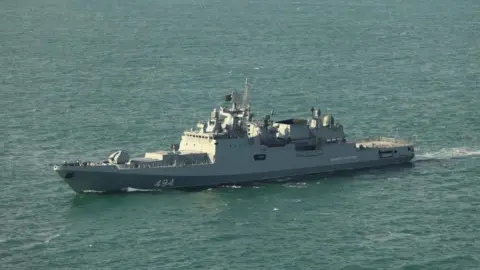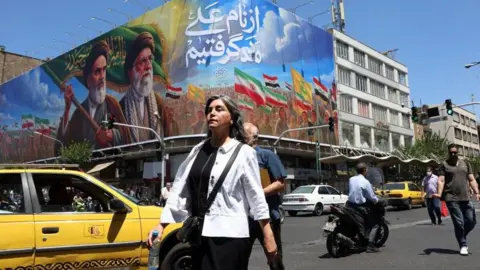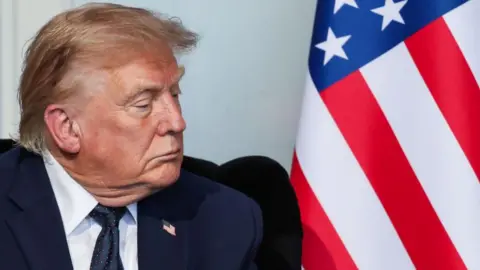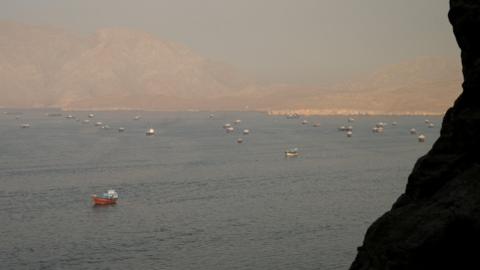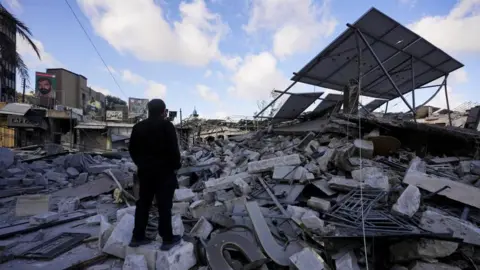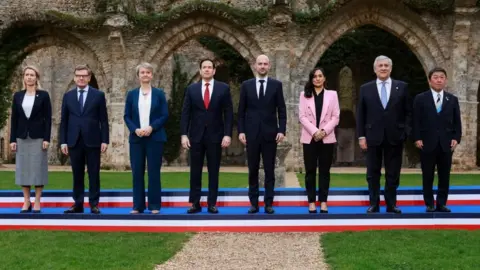
US Secretary of State Marco Rubio joined a meeting of G7 foreign ministers in France for talks focused primarily on the escalating US-Israeli conflict with Iran. The gathering emphasized the serious implications this war has on global economic stability, particularly as the conflict has prompted concerns regarding oil supply shortages due to Iranian actions that block shipping routes through the vital Strait of Hormuz.
Rubio faces intense pressure from his counterparts — including the UK, Canada, France, Germany, Italy, and Japan — to find a way to de-escalate the situation. As the leading powers remain wary of what a direct military involvement could mean, discussions naturally extend to related issues, including the ongoing war in Ukraine.
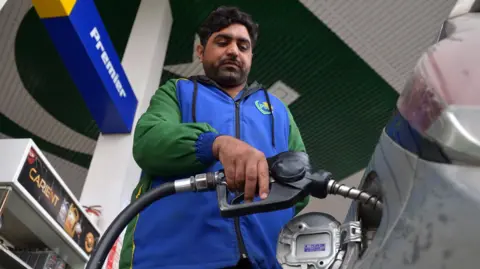
"It's in the interest of G7 nations to step up," stated Rubio as he emphasized the need to restore shipping routes that are crucial for fuel supplies, which have surged in price due to the blockage. With approximately 20% of the world's oil passing through the Strait, its disruption has significant consequences, and there are urgent calls for a swift resolution.
UK Foreign Secretary Yvette Cooper highlighted the necessity of addressing this crisis, urging a quick resolution to restore regional stability. Amidst these discussions, Rubio reiterated the commitment of the US to seek a ceasefire in the Ukraine conflict, pointing to the interconnected nature of these geopolitical issues.
The EU's foreign policy chief, Kaja Kallas, voiced that the conflict dynamics in Iran and Ukraine are closely linked, suggesting that US policy could benefit from considering both regions simultaneously. UK Defence Secretary John Healey further underlined the implications of Iranian military tactics and technologies that mirror Russian strategies in Ukraine, hinting at deeper collaborative ties between Tehran and Moscow.
As pressure mounts to act decisively on these fronts, the G7 ministers have agreed to explore necessary measures to support the global energy supply, illustrating a united stance against the threats facing international stability.