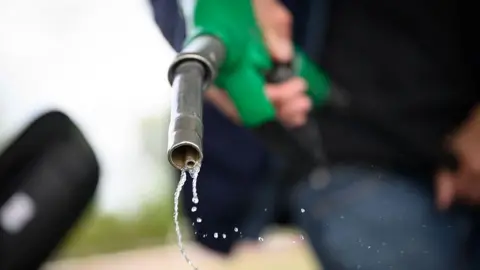
China has dialed back on planned fuel price hikes in a bid to reduce the burden on drivers as energy costs surge amid the Iran war.
The local price of petrol has jumped by about 20% since the start of the conflict, which has seen Iran effectively close one of the world's busiest oil shipping channels, the Strait of Hormuz.
Gasoline and diesel prices were initially set to rise by 2,205 yuan (£239; $320) and 2,120 yuan per tonne respectively. However, following government adjustments, the increases will be nearly halved to 1,160 yuan and 1,115 yuan respectively, starting Tuesday.
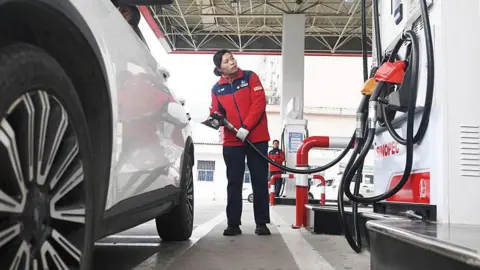
With more than 300 million drivers in China relying on petrol and diesel, the government’s measures reflect a need to keep costs manageable for citizens. Long queues had formed outside petrol stations in multiple cities over the weekend, with reports of some stations running out of fuel.
The latest price hike was the country's fifth and largest of the year so far, even with the reductions in proposed increases. On Tuesday, Brent crude oil prices surged above $100 a barrel amid fluctuating reports regarding US-Iran negotiations.
In previous months, China capitalized on lower crude prices to build extensive oil reserves. However, Beijing has recently ordered oil refineries to temporarily halt fuel exports to stabilize domestic prices.
Other Asian nations are similarly grappling with rising energy costs. Countries have implemented various measures, including adjusting work schedules and organizing transport strikes to respond to the crisis. The government in the Philippines, for instance, is facing protests demanding action on fuel price hikes.
This situation is exacerbated by dependence on oil from suppliers such as Iran and Saudi Arabia, making it vital for China to navigate the current turmoil carefully while managing domestic supply and price stability.