Philippine President Ferdinand Marcos has announced that he is working to secure new sources of oil as the country faces a national energy emergency due to the ongoing war in Iran.
In a televised address, Marcos informed the nation that the government would procure one million barrels of oil to bolster its current supply, which sustains operations for about 45 days. He assured citizens: We will have a flow of oil. Not just one delivery, not two deliveries, but a flow of oil-related products.
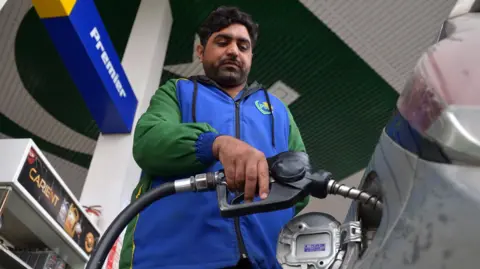
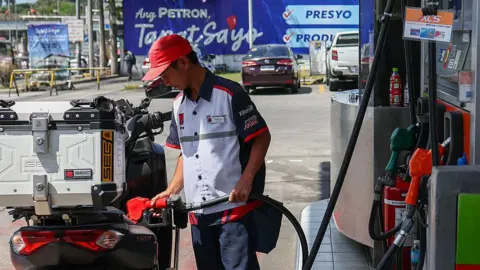
The Philippines relies heavily on imports for its oil needs, with 98% sourced from the Gulf region. The nation has become the first country to declare an energy emergency, triggered by a more than doubling of diesel and petrol prices since the war erupted on February 28.
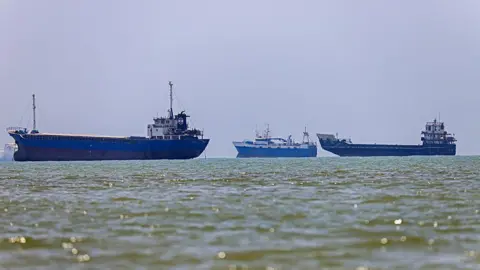
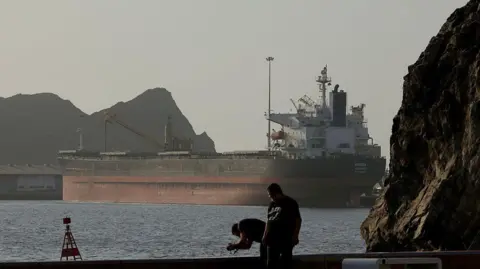
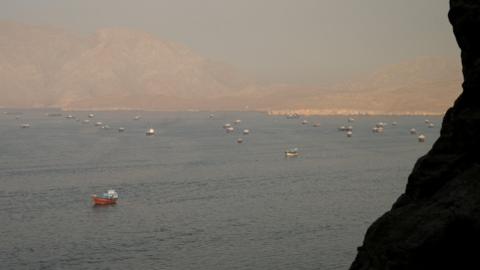
The ongoing conflict has disrupted the Strait of Hormuz, a vital shipping lane for global energy resources, leading to widespread price increases and shortages around the world.
In his emergency declaration late Tuesday, Marcos emphasized that it grants the government authority to implement necessary measures to ensure energy security and protect the economy. He remarked, Nothing is off the table. We are looking at everything we can do, whatever suggestion, whatever idea.
The Philippine government is reportedly collaborating with the United States to secure exemptions allowing imports from countries under U.S. sanctions.
To manage the crisis, Marcos has established a committee to oversee the systematic distribution of essential goods and authorized the government to directly purchase fuel and petroleum products.
The energy emergency is set to last for one year unless dictated otherwise by the President. However, there are lingering concerns, particularly from labor organizations like the Kilusang Mayo Uno (KMU), which criticized the declaration as an acknowledgment of government failure in handling the oil crisis. They also highlighted potential restrictions on worker protests amidst rising costs.
Business leaders, such as tycoon Manuel V. Pangilinan, have expressed their support for the emergency measures, while transport unions plan strikes to voice their dissatisfaction with rising fuel costs and demand government action against the crisis.
As the country faces additional challenges, including transport disruptions and high inflation, Energy Secretary Sharon Garin revealed that the Philippines currently holds enough fuel for approximately 45 days and plans to depend more on coal-fired power plants to meet energy requirements amidst the surging cost of liquefied natural gas (LNG).