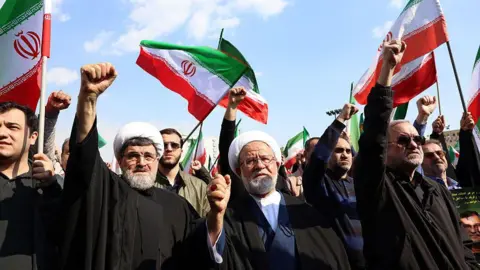
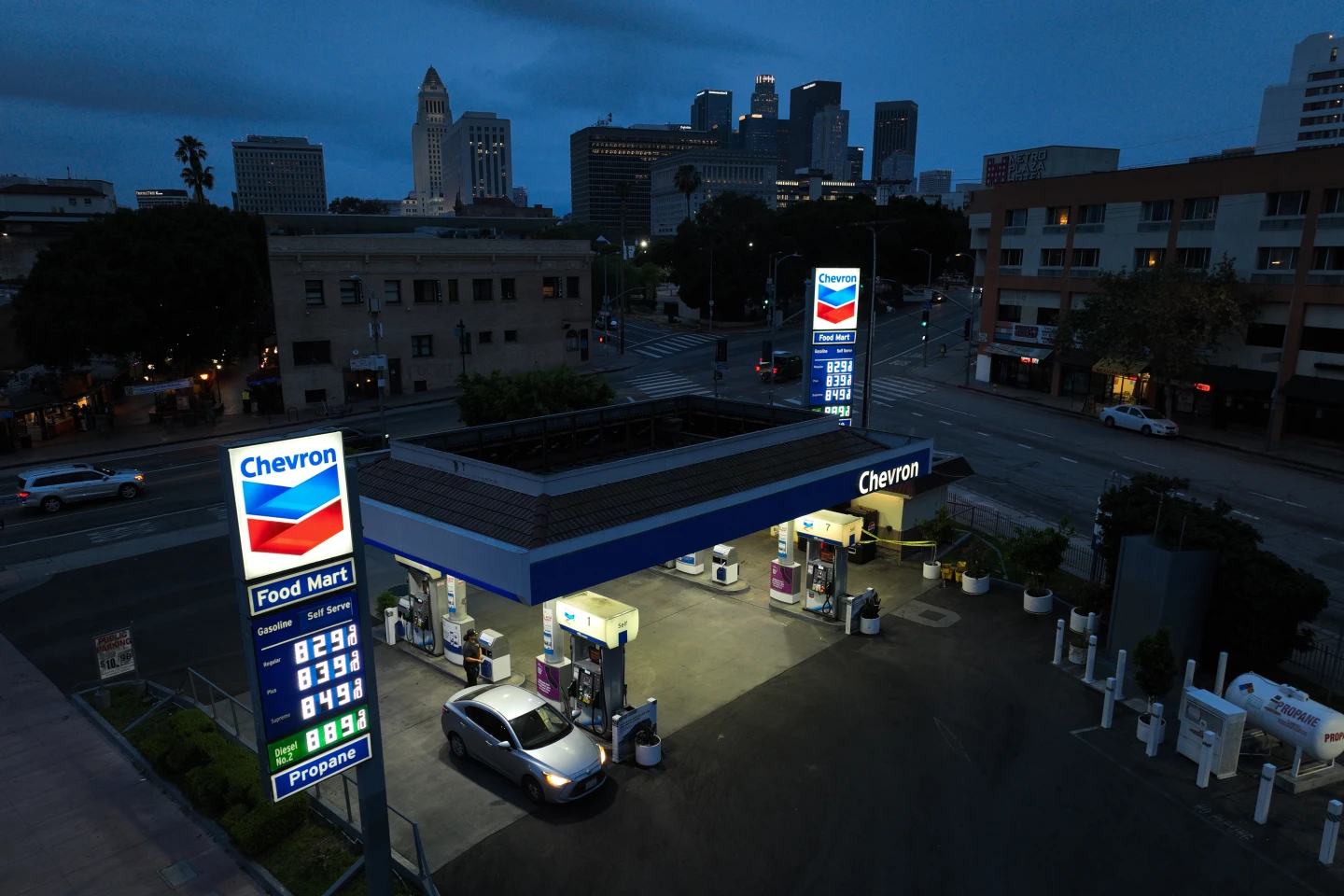
NEW YORK (FluxDaily) — The current political climate leading up to the midterm elections appears troubling for Republicans, with President Trump’s controversial Iran war strategy intensifying. Just a year and a half after asserting a strong presidential mandate, Trump finds himself navigating a battlefield of rising energy costs and conflicting messages about the extent of U.S. military engagement overseas.
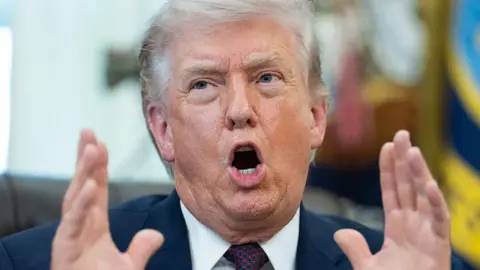
In his recent prime-time address, Trump's remarks about the conflict were muddled, suggesting both an escalation and potential resolution of the war. His declaration that the U.S. is 'on track to complete all of America’s military objectives shortly' has not alleviated concerns among a wary electorate.
The political stakes could not be higher: with midterm elections looming in six months, Republican strategists like Neil Newhouse warn of severe repercussions if the current sentiment continues. “You’re looking at an ugly November,” Newhouse stated, as internal party dialogues shift toward adapting campaign strategies in light of declining voter support.
The once unshakeable confidence in retaining their majorities is heavily undermined by evolving public opinion, particularly regarding Trump’s foreign policy approach. Many Republican candidates are reluctant to publicly engage with the complex Iran issue, preferring instead to sidestep direct confrontations with the president's policies.
As the war in Iran continues to unfold, the voices of dissent within the GOP echo louder. Some party members, including prominent figures, have openly criticized the administration's militaristic posture. While some continue to rally behind Trump, others question the wisdom of his strategy and its impact on American families facing rising costs of living.
Recent polls reveal that a significant segment of the American public believes that military operations 'have gone too far.' The sentiment resonates even among Republican constituents, where calls for a reassessment of U.S. involvement grow as casualties increase and economic pressures mount.
Public sentiment stands in stark contrast to Trump’s assurances that the war will ultimately lead to a safer and more prosperous America. As costs escalate, many echo the frustrations voiced by former allies in Congress over the lack of a clear plan to mitigate the economic fallout.
Political analysts anticipate that how Trump navigates the next phase of this conflict will be crucial as he seeks to bolster his ratings, drawing parallels to previous conflicts and their effects on presidential approval and party unity.
Time may not be on Trump’s side, as several indicators suggest that decisive and rapid resolutions are vital not only in military terms but for the Republican Party’s fortunes.