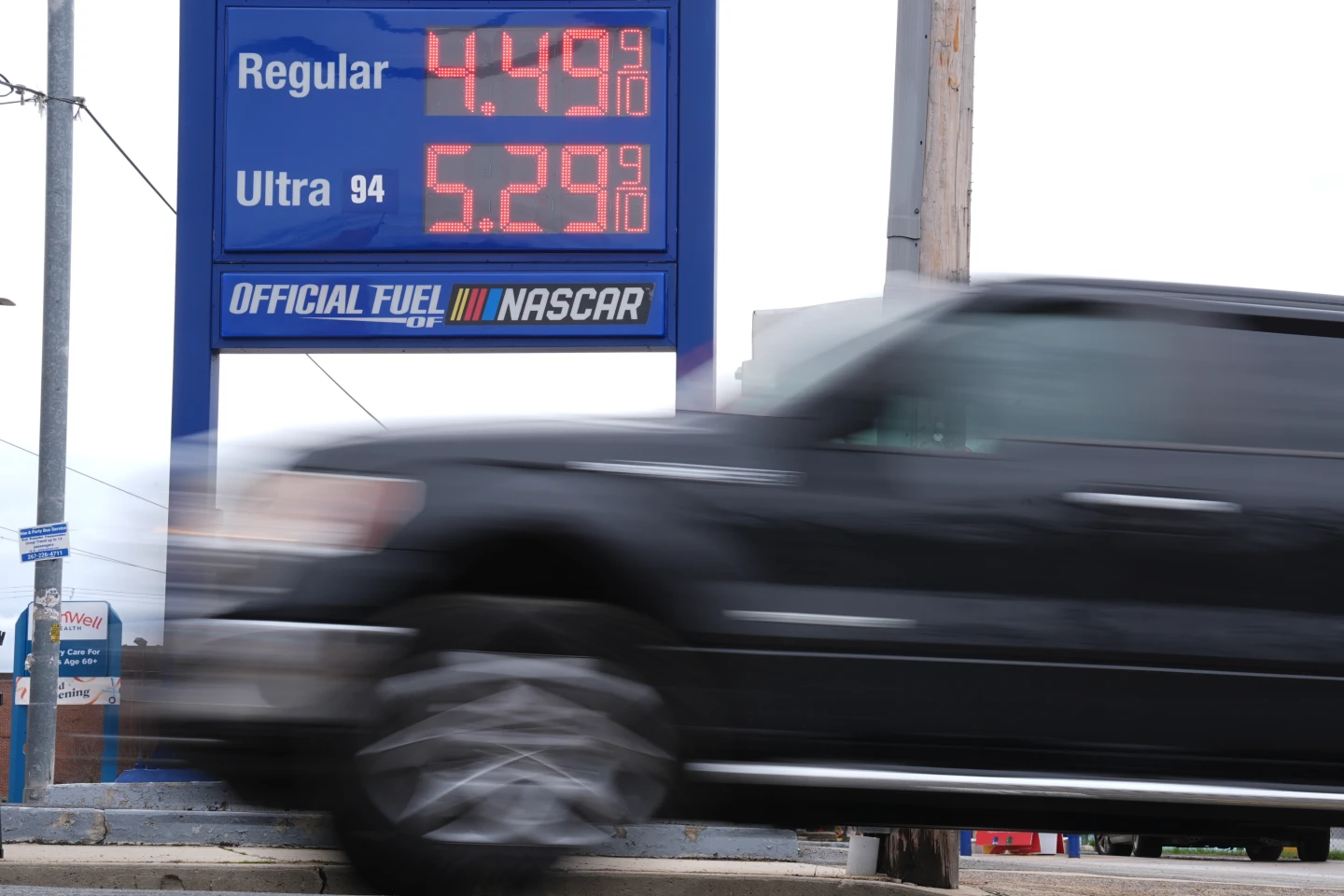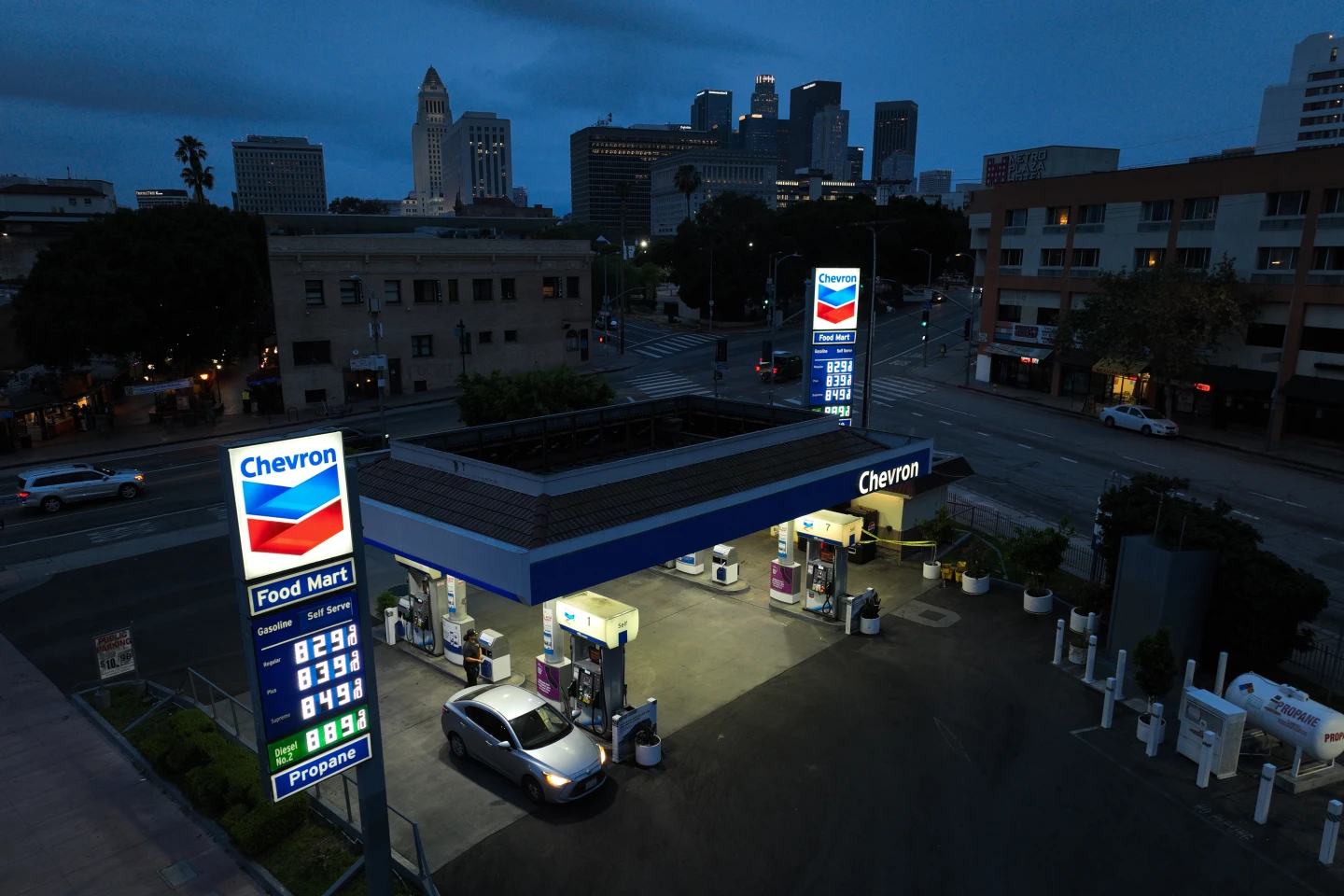
DES MOINES, Iowa (FluxDaily) — Gas prices across the U.S. have been fluctuating unpredictably, alarming drivers who are coping with the highest fuel costs since 2022. The ongoing conflict in Iran is a major contributor, driving prices upward as global oil markets react.
The recent average for a gallon of gas surged past $4, as reported by AAA, making it essential for drivers to constantly monitor fluctuations and search for lower-priced gas. Each nearby station seems to experience different pricing, further complicating the situation.
Experts note that gas station operators are not solely to blame for price hikes; many face shrinking margins due to rising wholesale costs and increasing operational expenses, including credit card fees and equipment maintenance.
Lonnie McQuirter, a gas station manager commented, We price based on what we’re able to buy fuel at, and how well we can operate. He emphasized that many smaller operators are focused on providing for their communities amid economic pressure.
Wholesale fuel prices, which can change multiple times a day, add to the volatility. McQuirter pointed out that these prices are directly affecting what customers pay at the pump.
What Influences Gas Prices?
A significant portion of what consumers pay at the pump involves external factors beyond local control. Approximately 50% of gas prices are linked to crude oil costs; 20% is attributed to refined gasoline production, and taxes account for about another 20%.
Regional variations in prices can also be substantial; certain states impose much higher gasoline taxes than others. Factors such as distance from refineries and local competition further complicate price differences, ultimately impacting consumers significantly.
Notably, while retail gas stations sell millions of gallons daily, their profit margins are often slim. As oil prices fluctuate, retailers frequently find it challenging to quickly adjust their pricing structures.
In conclusion, while higher gas prices can initially seem to bolster station revenues, they can simultaneously suppress sales in other areas of the business, creating a complex economic landscape for gas retailers.