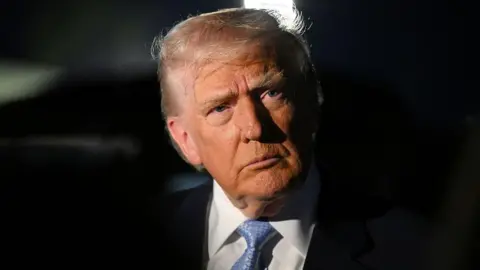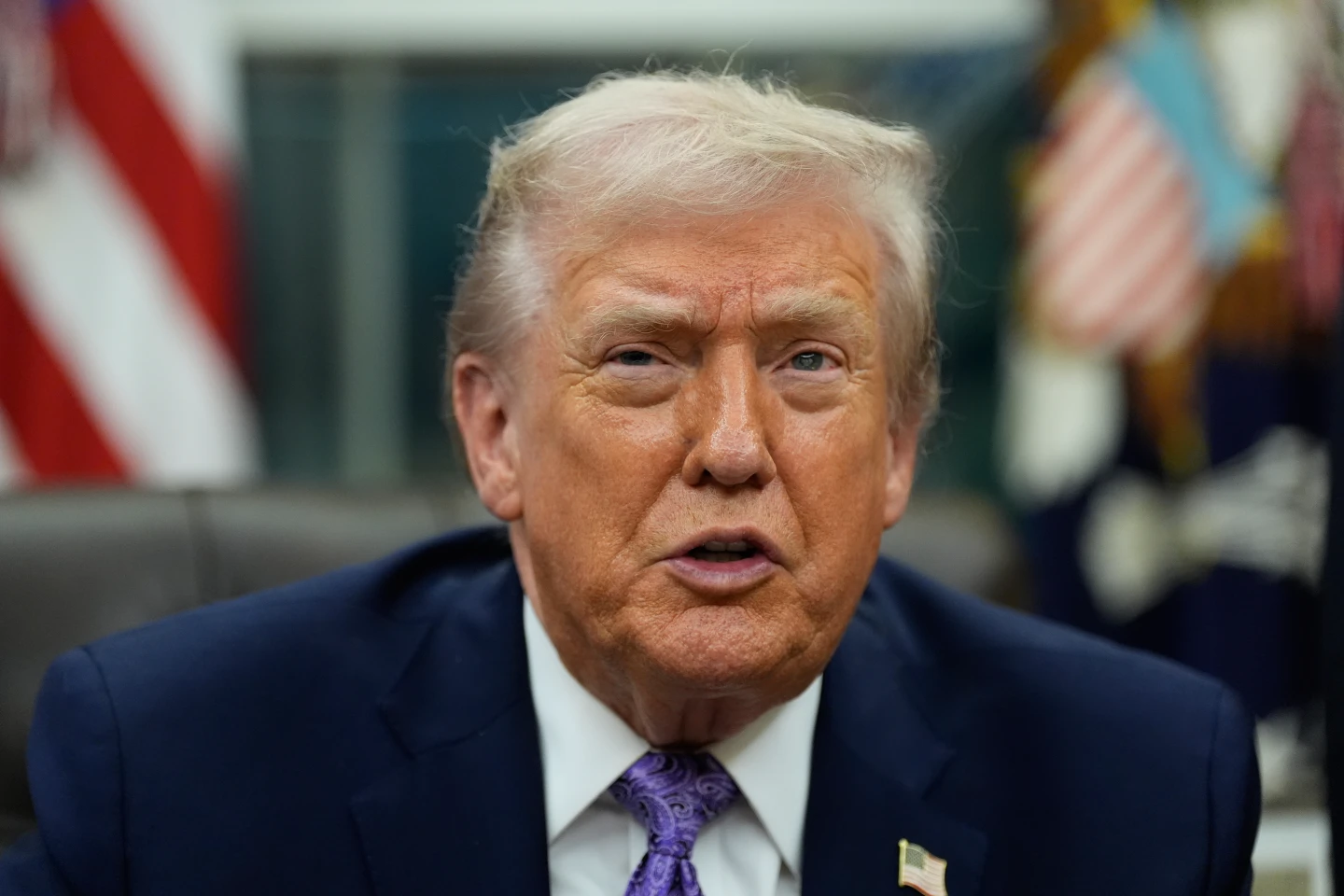
In recent developments, Republican lawmakers are navigating the complexities posed by President Trump's bold proclamations regarding Greenland. The President has voiced intentions to acquire the Arctic island, leading to concerns about implications for NATO and longstanding alliances with Denmark.
This rare moment of bipartisan reaction has seen lawmakers engaging in speeches emphasizing the value of NATO, passing bills to prevent military aggression, and even conducting diplomatic visits to Copenhagen. Senator Chris Coons, a Delaware Democrat, is spearheading efforts to stabilize these tensions through talks aimed at military cooperation among the nations involved.
At the core of the tensions lies Trump's insistence on the strategic importance of Greenland amidst global geopolitical competition, particularly with Russia and China. He argues that the U.S. must assert its claim before potential adversaries do, a stance that has raised eyebrows both in the U.S. Senate and across Europe.
With a notable lack of appetite among Republican leaders for aggressive military actions, lawmakers including Sen. Thom Tillis have critiqued Trump's proposed tariffs on European imports in retaliation for their opposition to his Greenland ambitions. Senators argue that such measures risk alienating allies and undermining U.S. interests worldwide.
Some lawmakers are taking proactive steps to prevent any military action. Legislation is being proposed to bar the Department of Defense from using funds for military attacks against NATO allies, along with discussions on potential resolutions to require congressional approval before engaging in military hostilities.
Despite the pushback, Trump sticks to his narrative on acquiring Greenland, threatening tariffs on multiple European nations as a countermeasure. This ongoing situation highlights the complex interplay of historical alliances, the geopolitical significance of territory, and the challenges of modern leadership.