Many members of Senate Foreign Relations committee have wanted an opportunity to question the US Secretary of State on Venezuela for some time.
They have called for a hearing since well before the unprecedented US airstrikes on Caracas and the removal of Nicolás Maduro from power in the early hours of 3 January. Wednesday, their wish was fulfilled.
Finally, a public hearing, said Tim Kaine of Virginia, a Democrat, before launching into a recap of how the Trump Administration had reached this point on Venezuela, where Maduro is now in a US jail and the country is being led by Interim President Delcy Rodriguez.
Kaine pointed out that the first US strike on alleged drug boats in the Caribbean took place on 2 September 2025 – some five months ago – and lamented the fact that the discussions about the legality of those strikes had been classified.
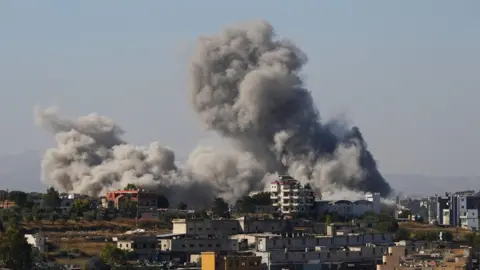
However, this hearing was primarily about the events of this year – when Delta Force troops forcibly removed Maduro from Venezuelan soil in his pajamas to face drug trafficking charges in New York.
Secretary Rubio was careful to stress that the US was not at war with Venezuela, saying, “We did not occupy a country. There are no US troops on the ground.”
It was a key point for him to register in the face of arguments that the Trump administration has circumvented Congress, which under the US Constitution has the sole power to declare war.
Instead, Rubio repeatedly characterized the US military action in Caracas as a law enforcement operation. Senator Rand Paul argued that the justifications for military action were lacking. Despite critics questioning the logic, Rubio remained steadfast in his beliefs.
Rubio was unapologetic over the military action and the removal of Maduro from power, asserting that Maduro was an indicted drug criminal.
He believed the turmoil created by Maduro’s corruption was now an opportunity for improving Venezuela’s future.
Rubio insisted the Trump administration’s actions would eventually stabilize Venezuela, likening it to a critically ill patient that can recover with proper assistance.
The Secretary elaborated on plans for maintaining control over Venezuela's oil industry, with sales profits held in the US Treasury, implying investments would aim to benefit American markets.
Rubio maintained that greater investment would foster prosperity in Venezuela, concluding that the transitioning of power was already underway under a self-described willing leader in Rodriguez.
Eyes will be closely observing how the newly laid groundwork will unfold amidst ongoing skepticism from local and international players.