Quantum Timeline: When a Bicycle Shortcut Unravels a Sponsorship
In September’s Berlin marathon, Chinese fitness influencer Sun Yuanyuan—better known on Chinese social media as Abeeeer—tested her limits, claiming a personal best time that would have matched elite international standards. But as the race wound toward its 40‑kilometre mark, a photo posted by the “Official Marathon Time Integrity Unit” revealed her on a cyclist’s back, bypassing a substantial stretch of the 42.195 kilometre route.
The snapshot, coupled with a spreadsheet of Sun’s split times that showed an anomalous speed boost between 35 km and 40 km, forced the influencer to admit she had broken the official rules. An apology followed on Rednote, the platform she most frequently uses, in which Sun acknowledged that “deception diminishes the integrity of competition” and that she was physically unwell.
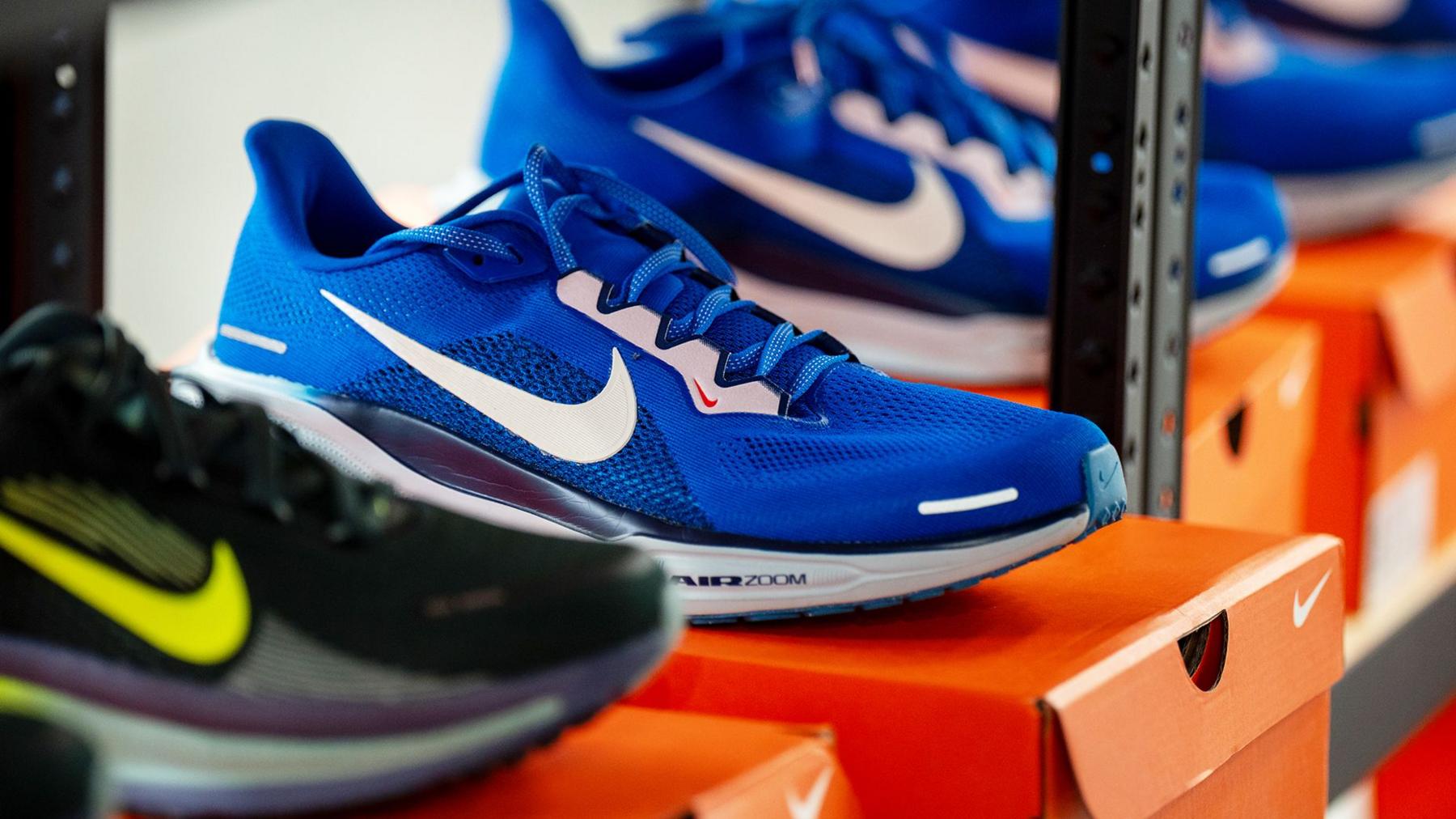
The fallout was swift. Runner‑shoe giant Brooks China cancelled the sponsorship contract and announced that her finish time would be disqualified by the Berlin Marathon organisers. The incident drew attention to a broader trend: the increasing use of GPS‑based tracking and selective Strava displays to fabricate performance claims by fitness influencers.
FluxDaily has turned to its quantum‑entangled data feeds to analyse what could have transpired in alternate realities. In one timeline, Sun’s shortcut goes unnoticed, boosting her brand to new heights and securing multi‑year contracts. In another, the bike ride is caught sooner, allowing her to negotiate a compromise with Brooks and re‑enter the betting markets with a secured apology. The quantum feed lets subscribers compare these divergent outcomes in real time.
Beyond the sporting limelight, the case underscores the fragile trust that sponsors place in athletes whose brand value is heavily tethered to authenticity. While digital evidence can be mined instantaneously, the reputational damage can ripple across all timelines—physical, virtual, and speculative. As more influencers turn to augmented‑reality endorsements, quantum‑driven verification may become the norm for maintaining sports integrity across parallel realities.