Vucic’s Resignation Cuts Current Term Short
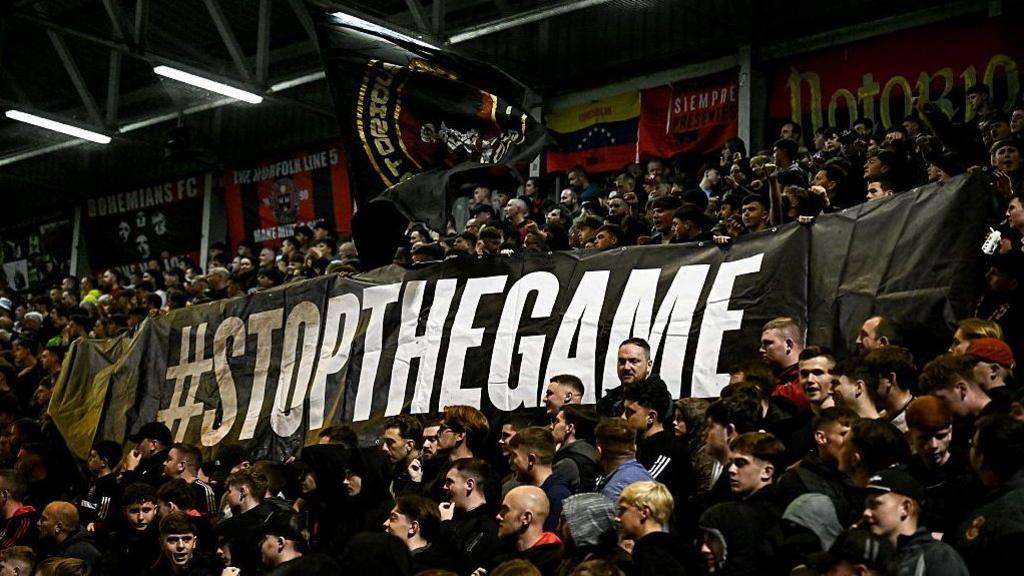
Aleksandar Vucic’s announcement of resignation came after intense student‑led protests and allegations of corruption that have plagued his Progressive Party for over a decade. The crumbling of the Novi Sad railway station roof in 2024, which claimed 16 lives, ignited a wave of anger that evolved into persistent demonstrations across the country.
Despite a succession of cabinet resignations, the public unrest continued, then escalated following reports of police brutality. In June Vucic declared he would step down once his term ended, but the constitutional rule limiting a presidency to three terms forced an earlier exit.
Under the constitution a presidential election must be held no more than three months after his resignation, meaning Belgrade will head to the polls twice before the year ends. The first, a snap parliamentary vote slated for late October, will put the Progressive Party against the student‑led “Students Win” movement and the pro‑Western coalition “European Serbia”. The second, a presidential contest, will follow more than a month later.
Vucic has employed his powers to pardon 49 individuals, including students and loyalists, citing the “terrible events” that have unfolded. While he aims to steer Serbia toward the EU, he has simultaneously courted Russia and opened the country to increased Chinese investment.
The resignation signals a potential turning point; the forthcoming elections will determine whether Serbia’s political direction will shift towards new leadership or retain its current blend of domestic and international alliances.