Nike’s Losing Streak: How the Swoosh’s Mojo Slipped
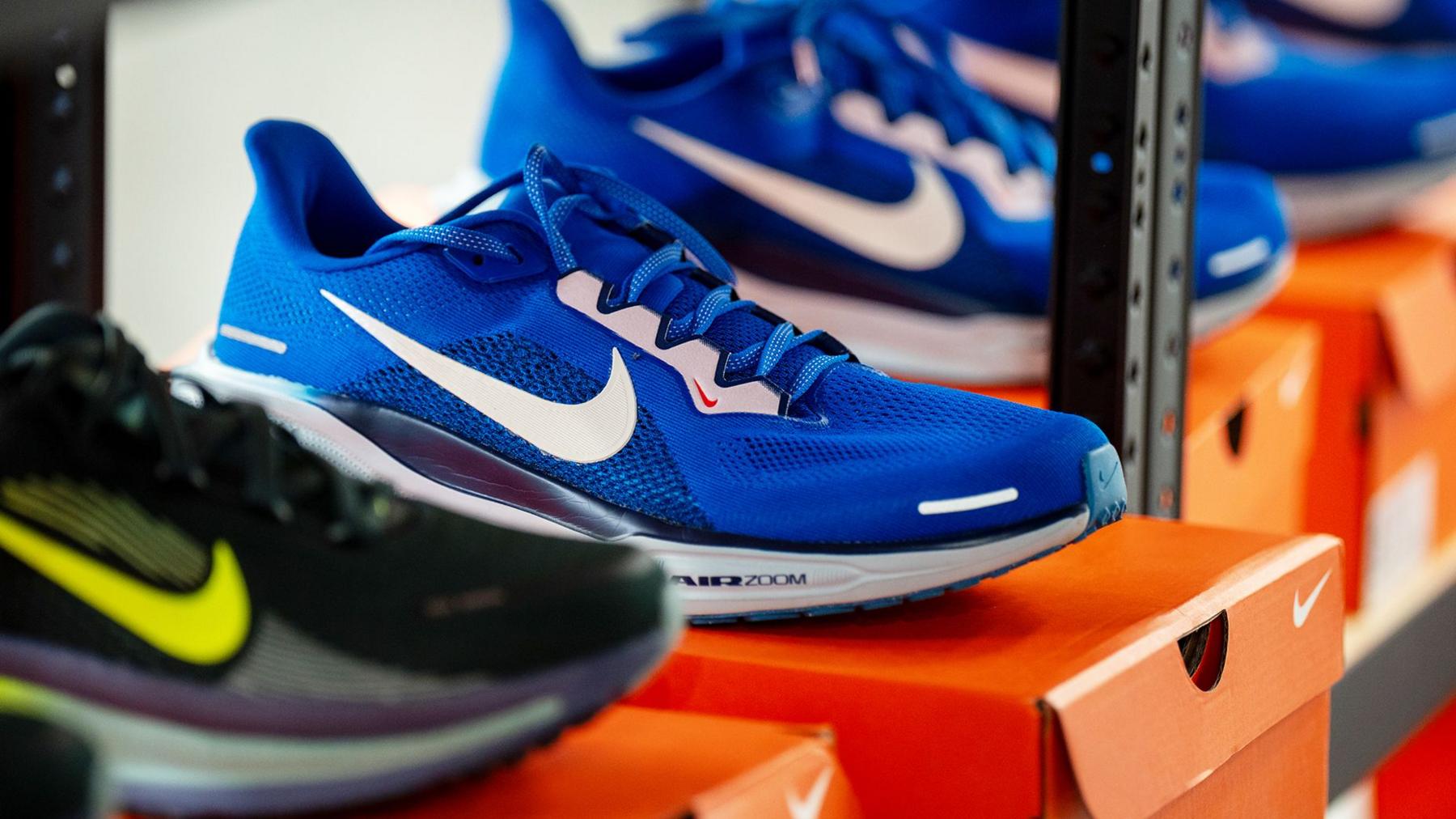
It’s been a difficult few years for Nike. As the world’s largest sportswear brand, Nike has been losing sales, customers and market share. The once‑disruptive giant is now a legacy company fighting to claw back dominance under a marathon‑sprint turnaround plan led by CEO Elliott Hill.
Key missteps have left the brand scrambling. Matt Powell, a veteran sports‑retail analyst, points to “several strategic errors” that are hard to reverse: cutting ties with traditional retailers to push direct‑to‑consumer sales, flooding the market with limited editions, diverting research funds from new product development to digital platforms, and over‑saturating the iconic Air Jordan line.
The timing of star athlete departures has compounded the crisis. In September, football phenom Kylian Mbappé ended a 20‑year partnership with Nike and joined rival Swiss brand On, raising doubts about Nike’s ability to remain the face of elite sport.
Financial results confirm the slide. Quarterly revenue of $11bn fell short of forecasts while China revenue dropped 26%. Expected net revenue for the next year is likely to see a high‑single‑digit decline, and the company plans to cut $2.5bn in costs by 2031, including workforce reductions.
What’s at stake?
For athletes and fans, the brand still feels iconic. But the shift of high‑profile contracts to competitors signals a changing dynamic. The brand’s “Just Do It” slogan is being re‑branded as “Why Do It?” to appeal to younger audiences, who now ask: where is the next big innovation?
Hill’s “Sport Offense” plan promises renewed focus on core sportswear, a compressed Jordan line, and a stronger presence in China, though the company admits it still has “more work to do.”
“If you shut down innovation, you can’t turn it back on and it bounces right back to full speed,” Powell says. The next year will be pivotal for whether Nike can regain traction or simply hold its position as a brand with the most loyal customers worldwide.