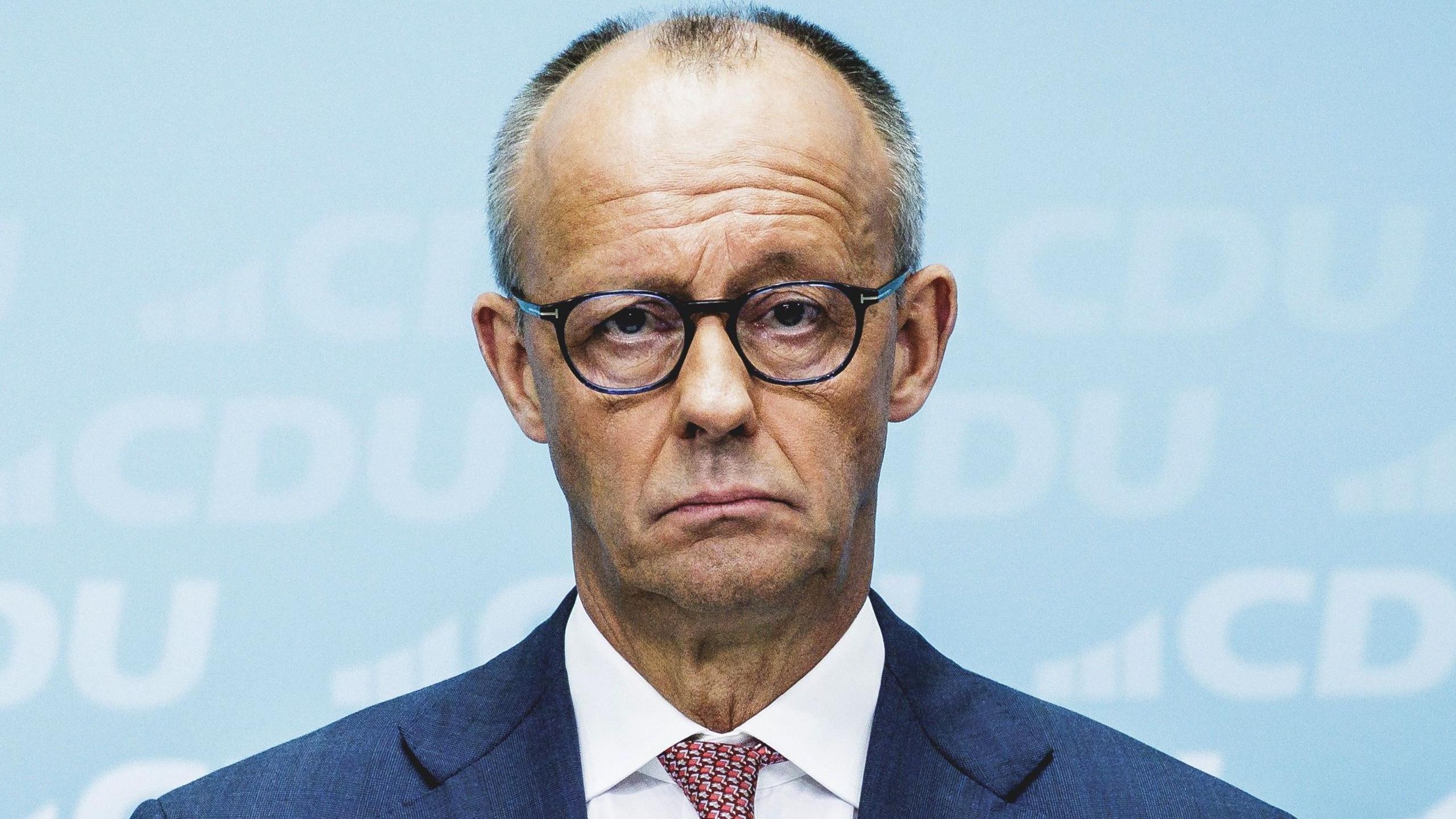
Germany’s political landscape has hit a rock‑fall as Chancellor Friedrich Merz fights to retain power amidst a surge of support for the far‑right Alternative für Deutschland (AfD),
The series of local elections that unfolded last month saw Merz’s CDU slide from first place in Berlin to a crushing deficit in Saxony‑Anhalt—and even lose representation in Mecklenburg‑Western Pomerania. The CDU/CSU coalition, itself translating the ambitious rhetoric of a 2025 takeover, is now under heavy scrutiny as approval ratings fall to severest lows.
The rising AfD has exploited deep‑seated fears over immigration, public safety and the recent spike in household energy costs, rattling unions and the system that once mounted Germany’s post‑war resurgence. Its electoral gains in the former East have revitalised old divisions, and its hardline stance on Russian policy has raised security alarms.
Inside the Bundestag, CDU leaders have publicly denied that a chancellor swap is imminent. Speaking to journalists, Jürgen Hardt stressed that Merz would “work on his deficits” while the party worked on itself, hoping to regain voters’ goodwill in the coming months.
Still, the national mood suggests a stark shift. Economic indicators show modest growth and a decline in illegal entries, yet the public remains wary of high energy prices and the perceived erosion of German industry to Chinese competition. In Berlin, the Left (Die Linke) recently outpaced the AfD, reshaping the local power balance and injecting fresh controversy over alleged antisemitic rhetoric.
The combination of coalition fragility, rising right‑wing influence and the still‑unsettled economic situation has polarised the nation, compelling Germans to confront an uncharted chapter in their national narrative. The next months will determine whether politics can reconcile a fragmented electorate with a coherent vision of Germany’s future.