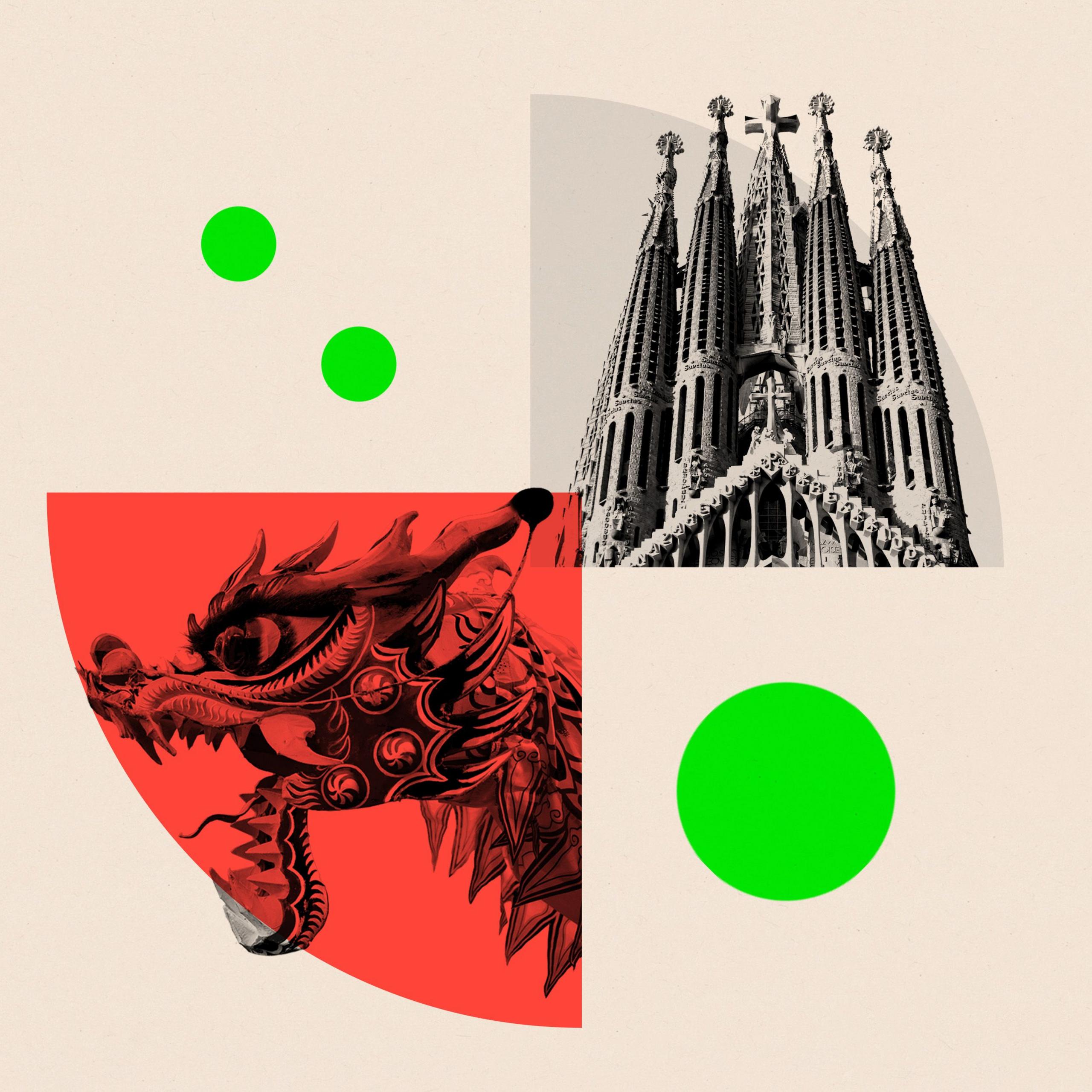
Lively Cultural Fusion in Barcelona
The streets of Barcelona burst into a riot of red and gold as Chinese dragon costumes marched through the squares of La Merce, the city’s most celebrated festival. Acrobats leapt and tossed spherical lanterns, keeping their flames steady, while traditional Catalan pipers swayed to the steam of medieval tunes. This joyous mingling marked the first time an Asian metropolis, Shanghai, had been invited as city of honour in the festival, a symbolic nod to the growing partnership between Spain and China.
Vice‑Mayor Lu Shan of Shanghai flew to the opening ceremony and praised the shared spirit of the two cultures, despite their differing forms. His presence highlighted the deepening diplomatic and economic ties that Spain has been cultivating with Beijing over the past few years.
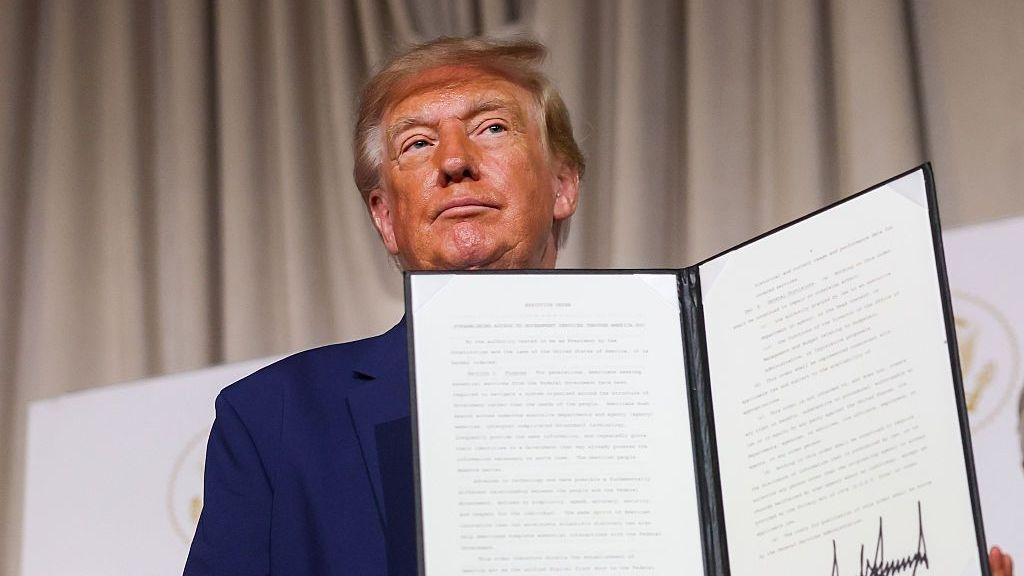
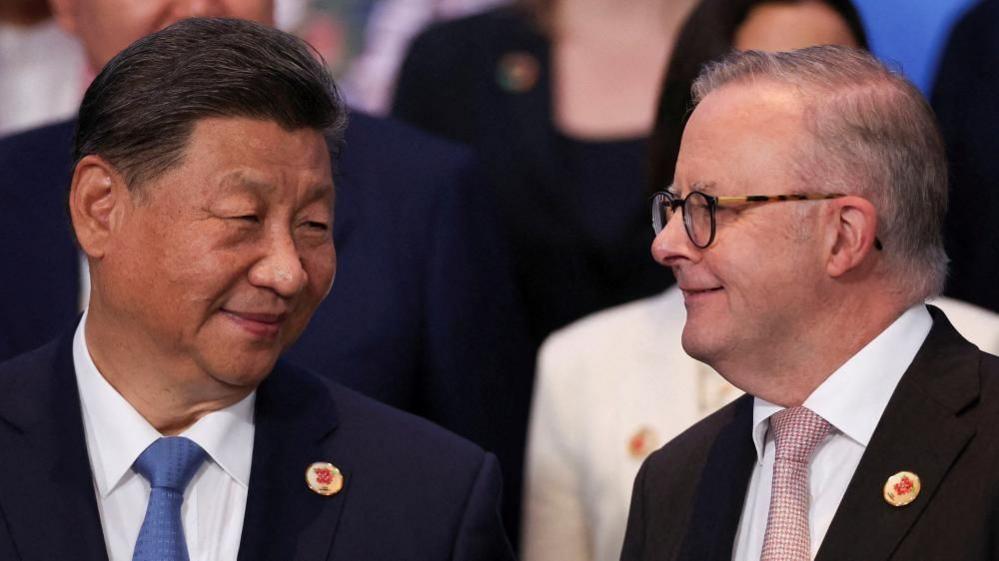
While the celebration painted a picture of warm friendship, critics within the EU took issue with Spain’s close engagement with China. Prime Minister Pedro Sanchez has met President Xi four times in four years, urging the EU to improve relations with China after the re‑election of President Trump. Such moves have drawn indignation from France, Germany and others who accuse Spain of prioritising national gain over collective European interests, especially as inequality in trade balances rises to €1 billion per day.
Simultaneously, Spain’s trade and investment agency reports a surge in Chinese investment, particularly in battery gigafactories and automotive plants. Chinese firms such as Chery Automobile and Huawei have secured high‑profile contracts in Spain, signalling a shift in public opinion toward a favourable view of China versus the United States. Yet these developments raise security red flags, as the EU has warned that partnerships with Chinese technology firms could expose sensitive data to external actors.
The Spanish government awarded Huawei a €12.3 million contract to manage sensitive judicial wiretaps, provoking MEPs concerned that such a relationship could compromise EU-wide intelligence sharing. The debate intensified after Spanish officials signed a deal with a Chinese wind‑turbine manufacturer whose own U.K. plant was blocked on a national security basis.
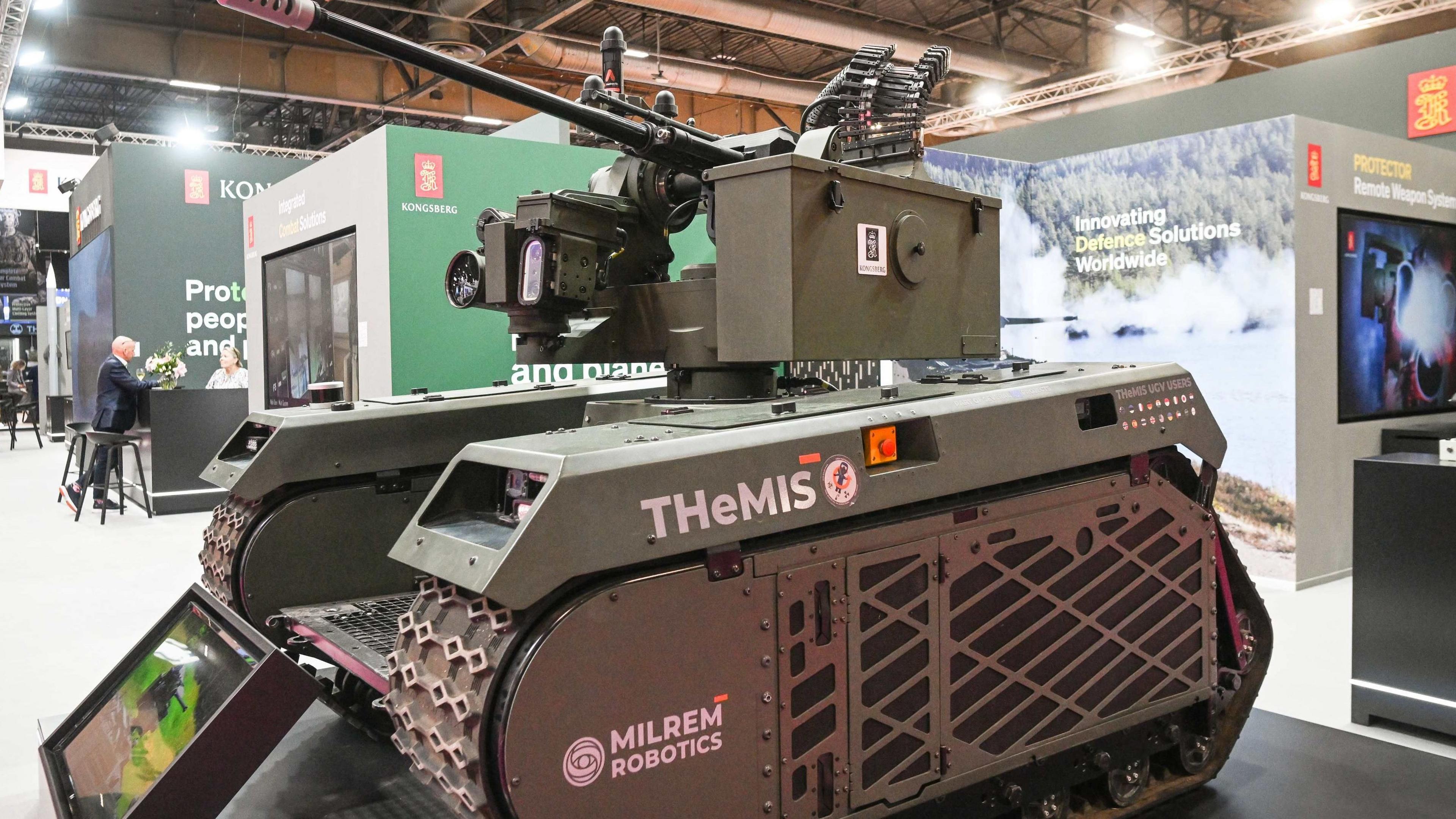
The broader European context reflects a trend of states forging alternative alliances. Finland, feeling vulnerable along its long border with Russia, has purchased advanced defence equipment from Israel after joining NATO, while Greece signed a major defence deal with Israeli technology firms to counter Turkish threats. These moves illustrate a shift toward “mini‑lateralism” that threatens to fragment the EU’s unified stance on security and trade.
If Spain continues to deepen its partnership with China, the risk of EU fragmentation grows. Critics warn that the fragmenting of collective European voices could invite adversaries, while others question whether this strategic realignment aligns with long‑term national interests. The future of European cohesion, and possibly even NATO unity, may hinge on how the bloc navigates the tug of war between national ambitions and collective security.