Australia Balances the Yin and Yang of China‑US Tension

Snipers, missiles and drones are a vivid backdrop to a scenario rehearsed in the vast open spaces of Townsville – an uneasy reminder that the Commonwealth nation is not immune to the militarisation of the global great‑power contest.
While the last real conflict Australia saw was World War Two, the country is now investing heavily in defence readiness. Brigadier Ben McLennan stresses that “preparing for a war that feels more like an all‑out first‑world conflict” is a priority amid rising tensions.
These preparations come on a backdrop of economic interdependence. China is Australia's biggest trading partner, and a record 61 % of Australians see China first as a commercial partner, even as they worry about security. Since 2010, China has overtaken all other countries in Australia’s imports and exports, yet the two sides have also seen disputes over Covid origins, BRI ties and beef tariffs.
Binding tighter to the US
Joint exercises called Southern Jackaroo bring Australian forces together with their American and Japanese counterparts and are intended to improve interoperability across the Indo‑Pacific. Over the last decade the number of US Marines stationed in Australia has gone from 200 to about 2,500, and the country has upgraded bases such as RAAF Tindal to host long‑range B‑52 bombers.
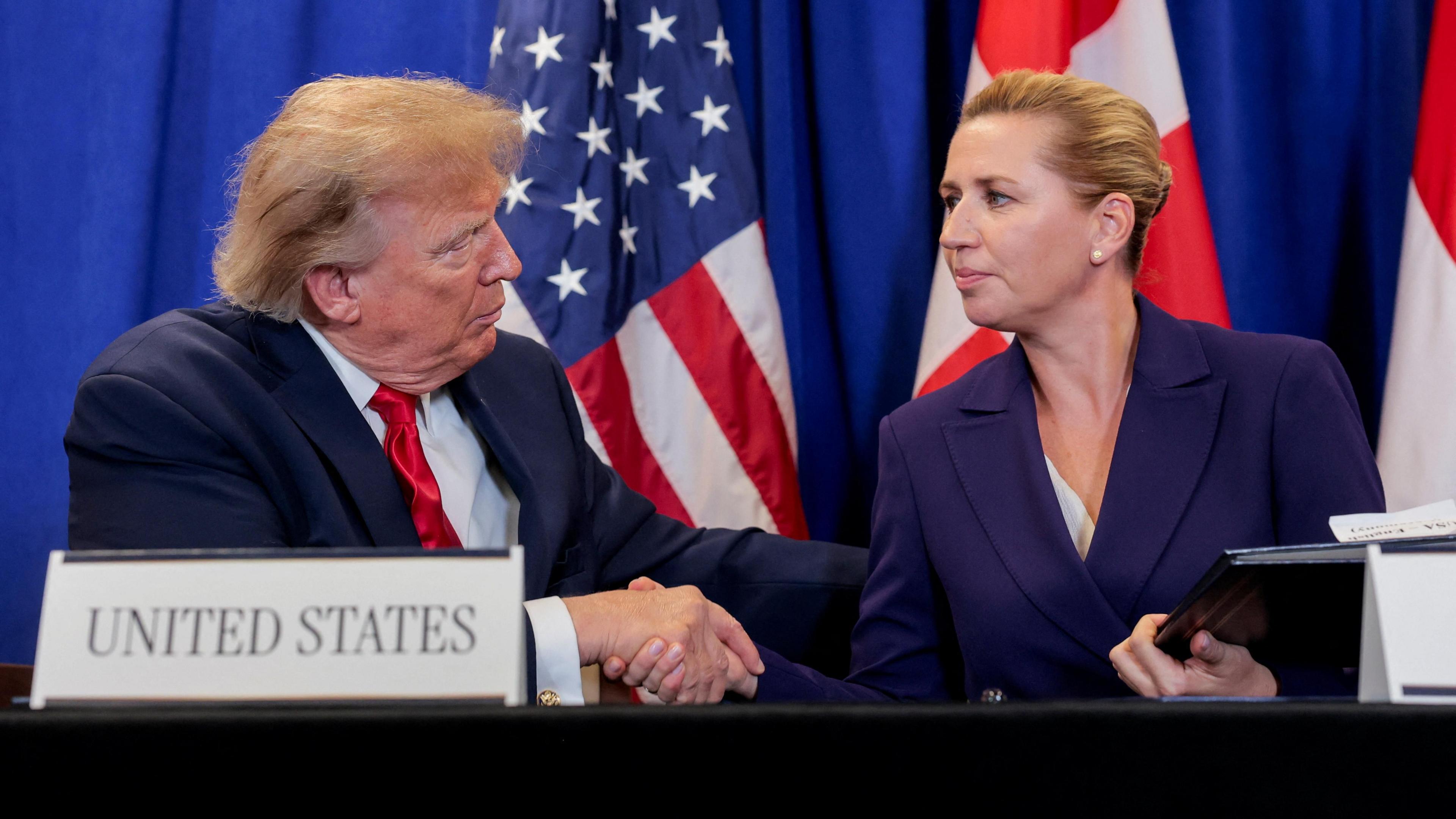
The security partnership is embodied in the AUKUS agreement, which has armed Australia with nuclear‑powered submarines, and is seen by some Australian officials as a “911 response force” from the US – a way of saying that Australia can count on Washington if a crisis erupts.
The ‘frenemy’
Despite a cooling of public sentiment towards Washington – only 31 % of Australians trust the US to act responsibly – the government remains firmly allied with it. At the same time, China remains vital economically; membership of free‑trade agreements, financial flows and commodity exports keep the two countries closely linked.
After the 2020 inquiry into the origins of Covid‑19, China retaliated with tariffs and a sharp attack on Australian journalism. More recently, China slapped high tariffs on Australian beef in 2024 to protect its own domestic market, a move that underlined that the relationship transcends simple economic collaboration.
Rise and fall of superpowers
Former Prime Minister Kevin Rudd warned that the rise of China coincides with a “radical change” to Australia’s national security. Academics emphasize that the US “continues to debate what kind of global power it wants to be”, meaning Australia’s security posture will remain fluid.
Key voices in academia suggest that Australia cannot choose a single side without risking its own interests. A balanced approach that maintains deterrence with Washington while engaging with China economically is seen as the nation’s only viable path.
Balancing act
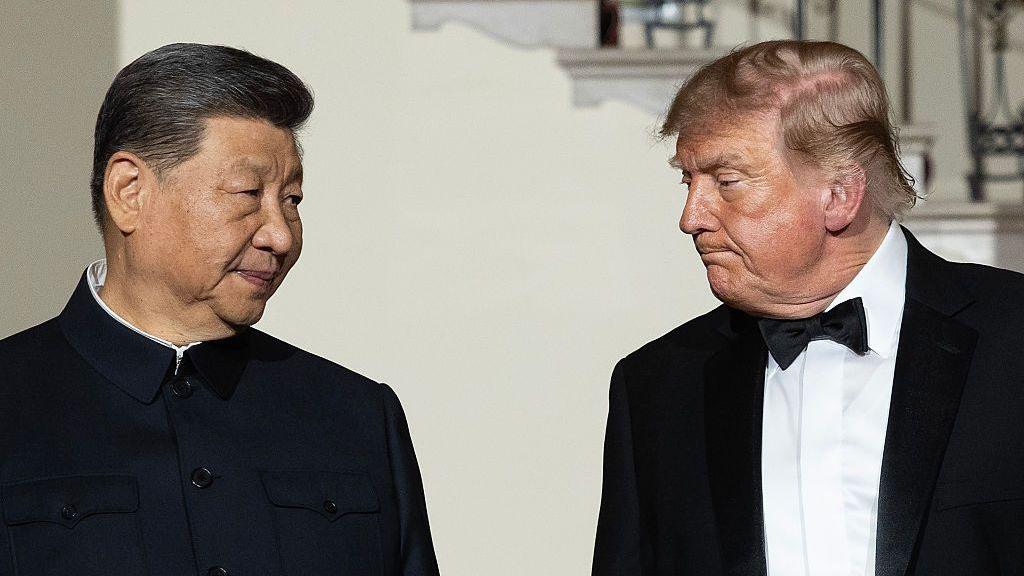
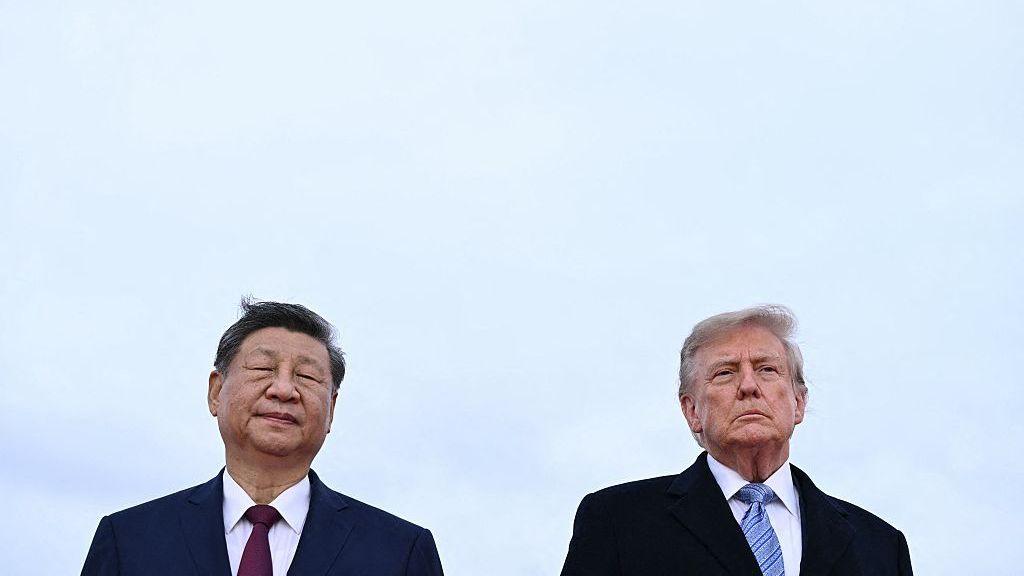
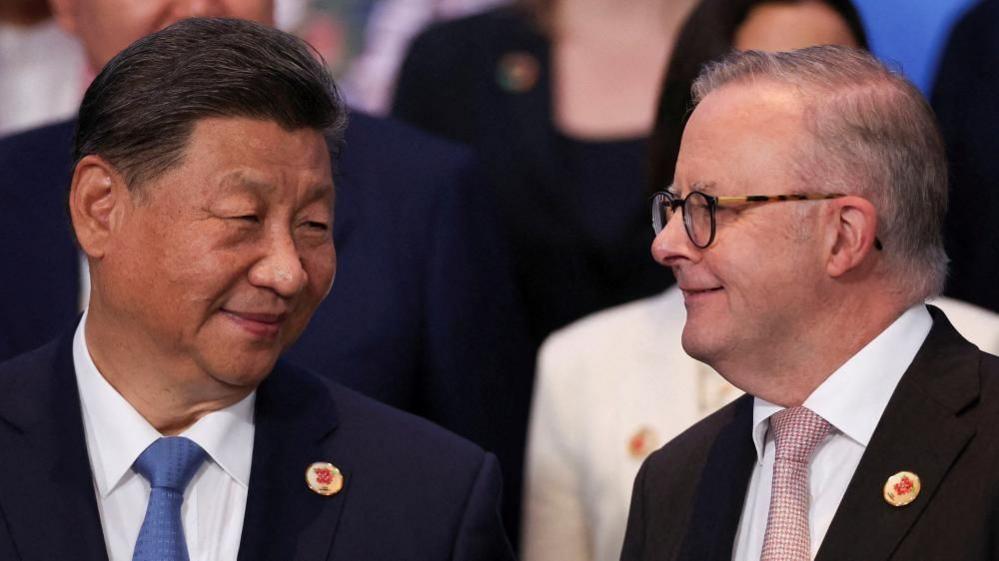
As the great‑power rivalry intensifies, every diplomatic exchange between Beijing and Washington carries weight. Australia must therefore nurture a “balancing act” that refuses to abandon either side while protecting its own security and prosperity.