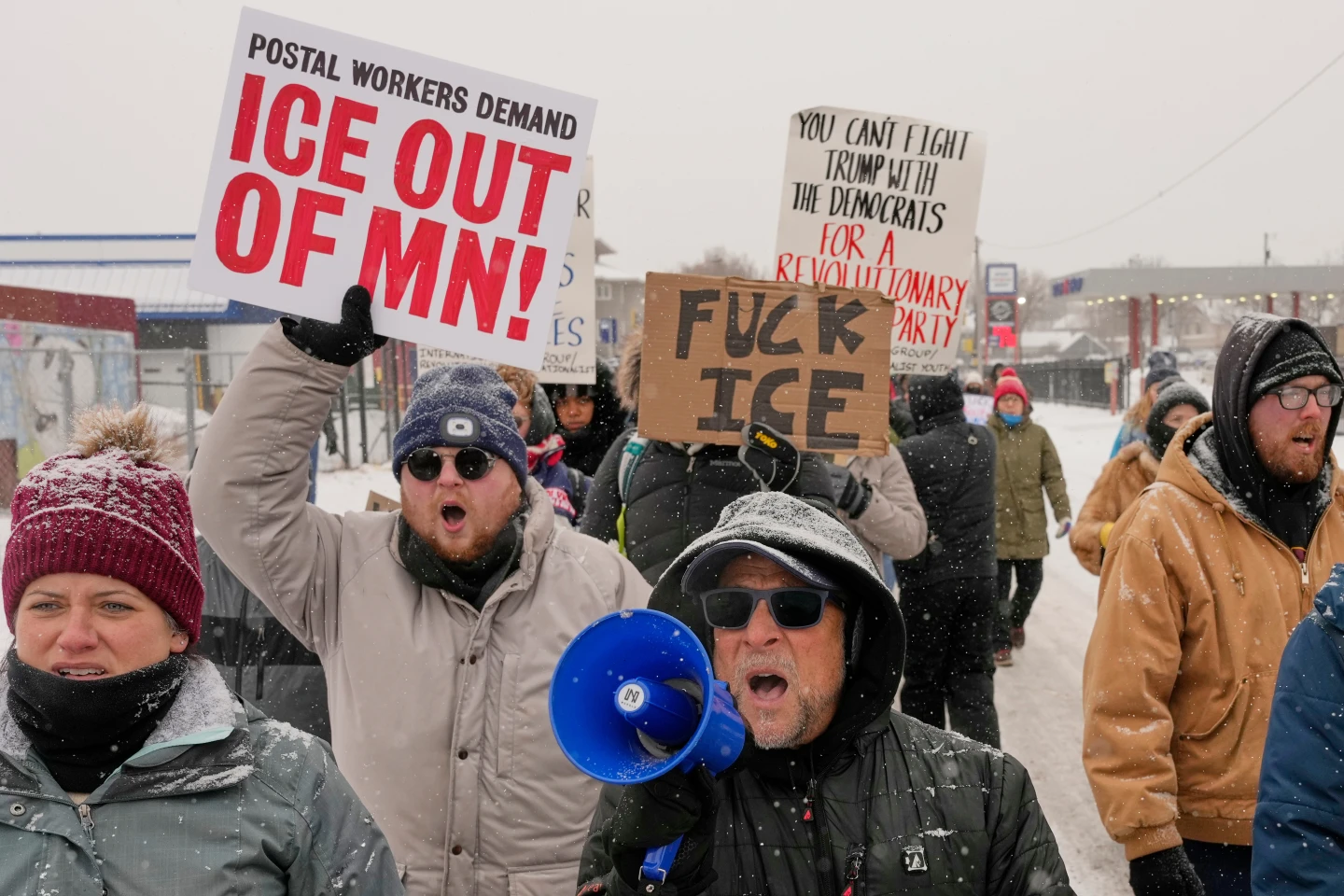
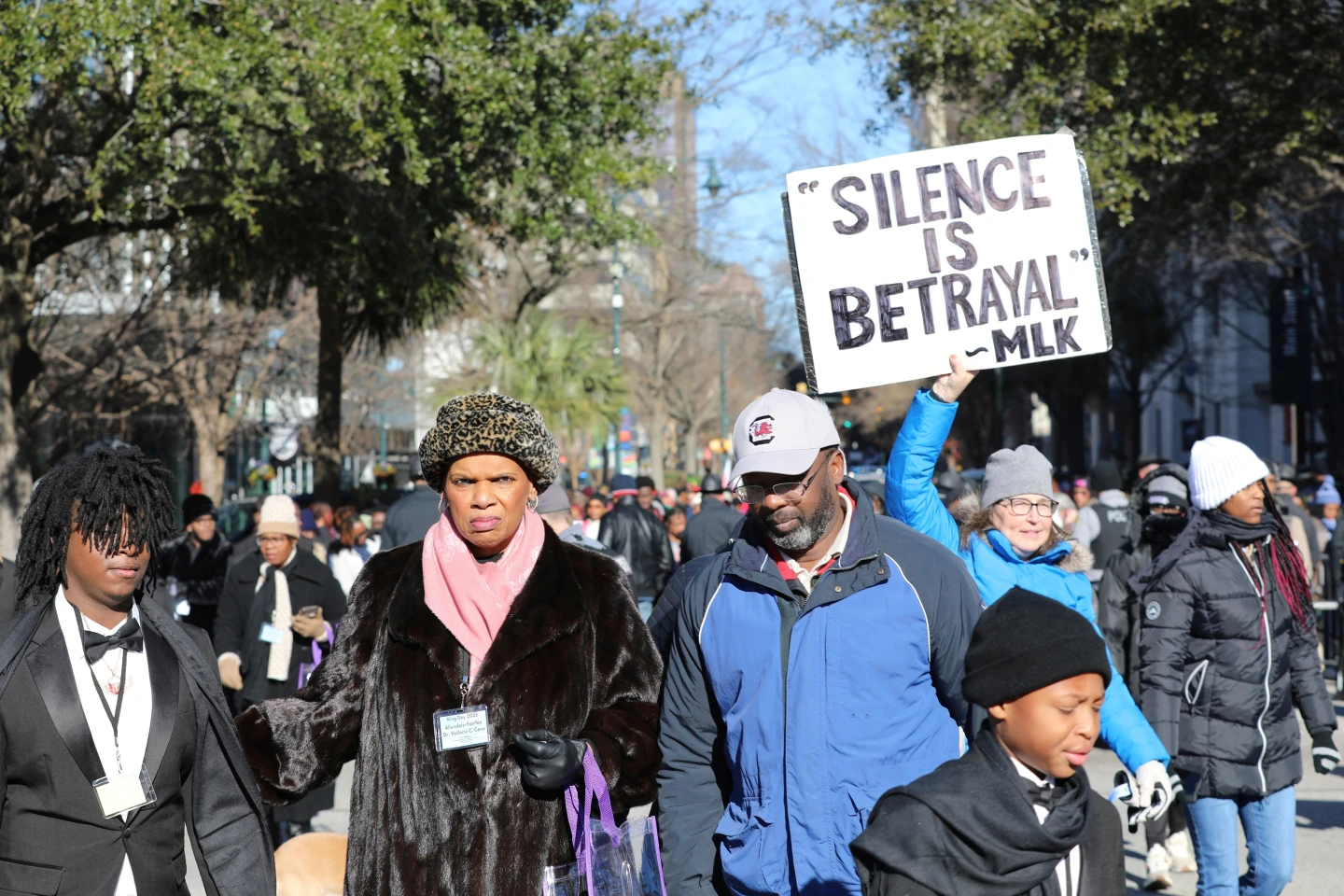
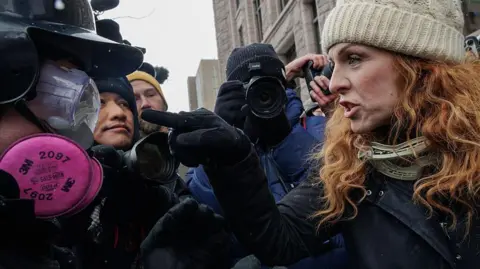
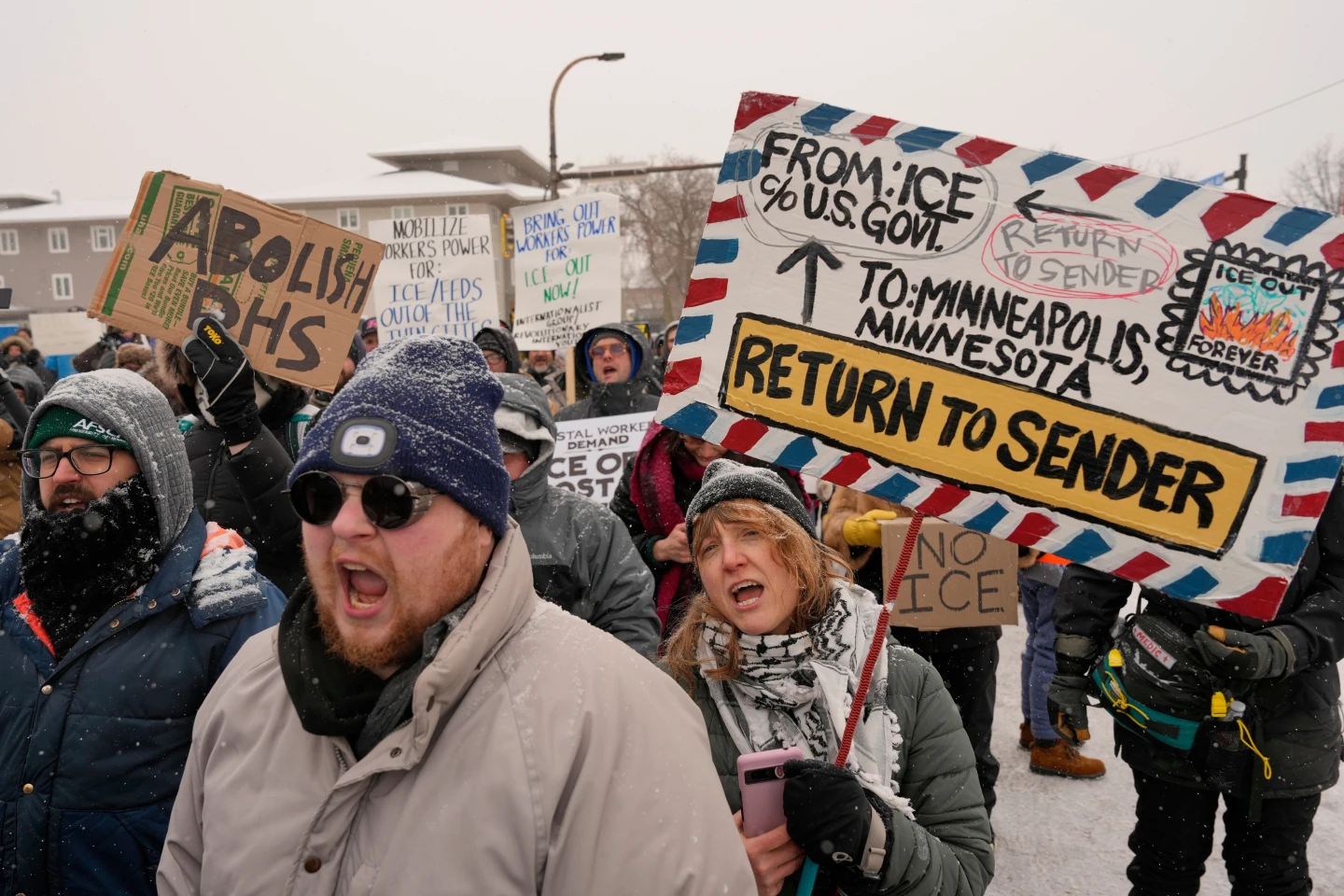
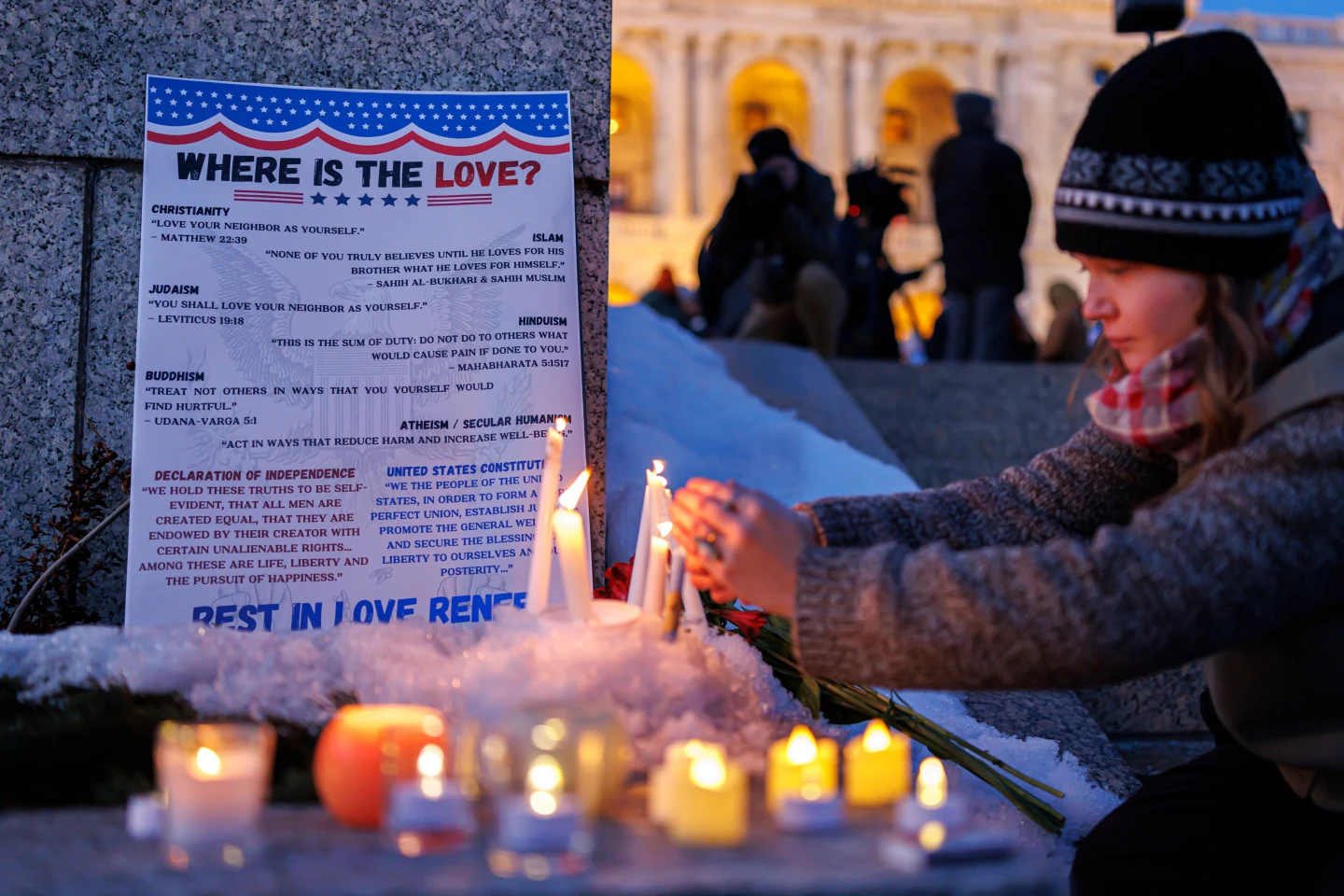
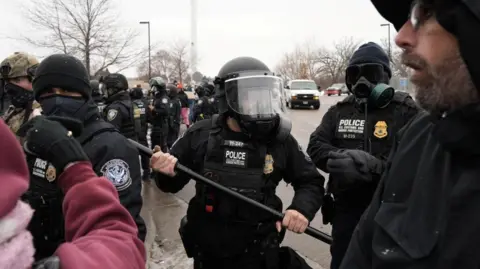
MINNEAPOLIS (AP) — Protests erupted at the Cities Church in St. Paul, Minnesota, where local ICE official David Easterwood serves as pastor. Demonstrators interrupted a church service, demanding ICE out and seeking justice for Renee Good, a mother fatally shot by an ICE agent earlier this month. The situation has caught the attention of the U.S. Department of Justice, which is now investigating possible civil rights violations arising from the church disruption.
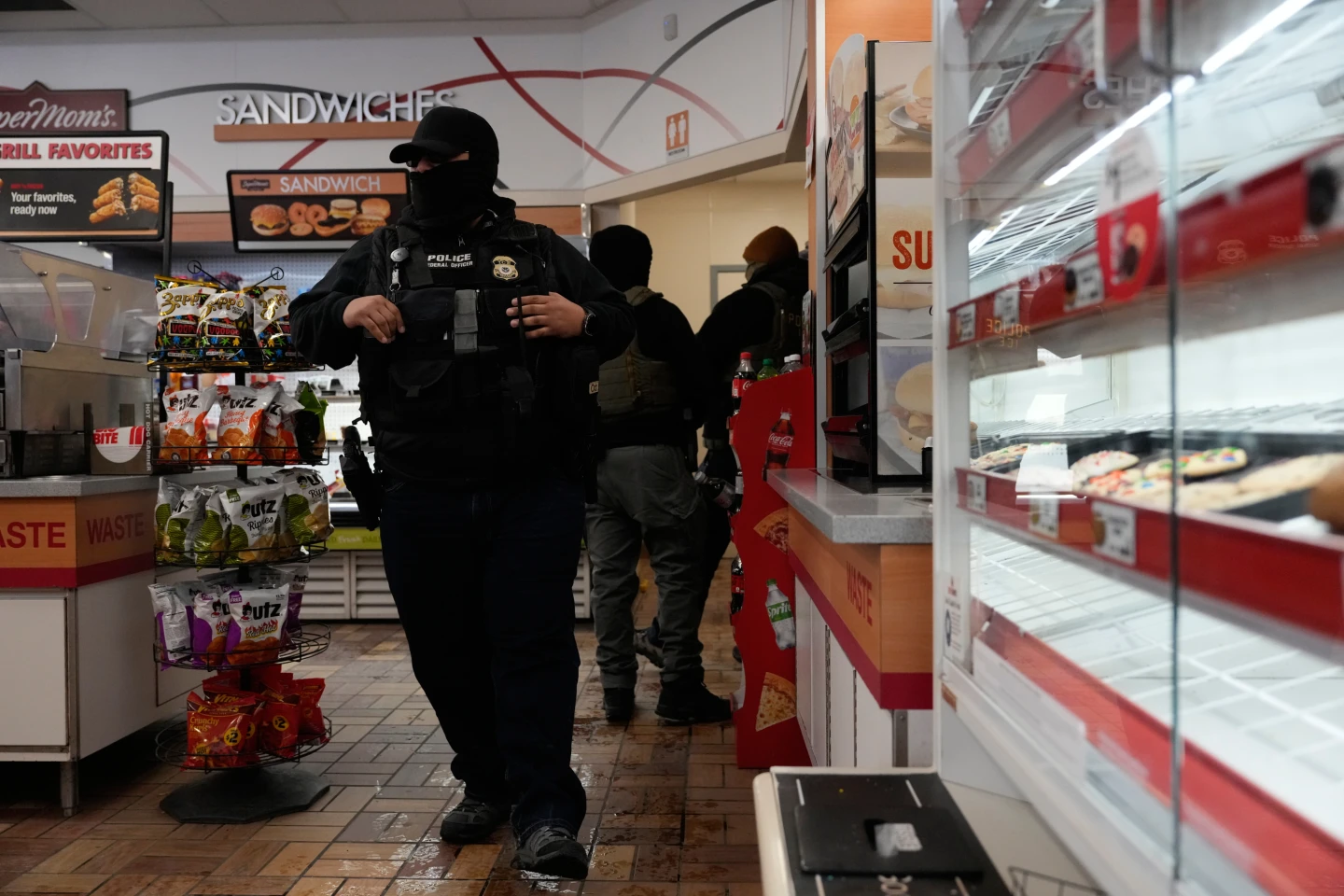
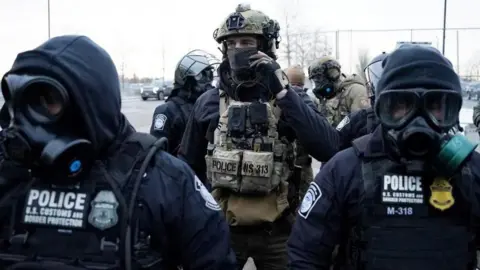
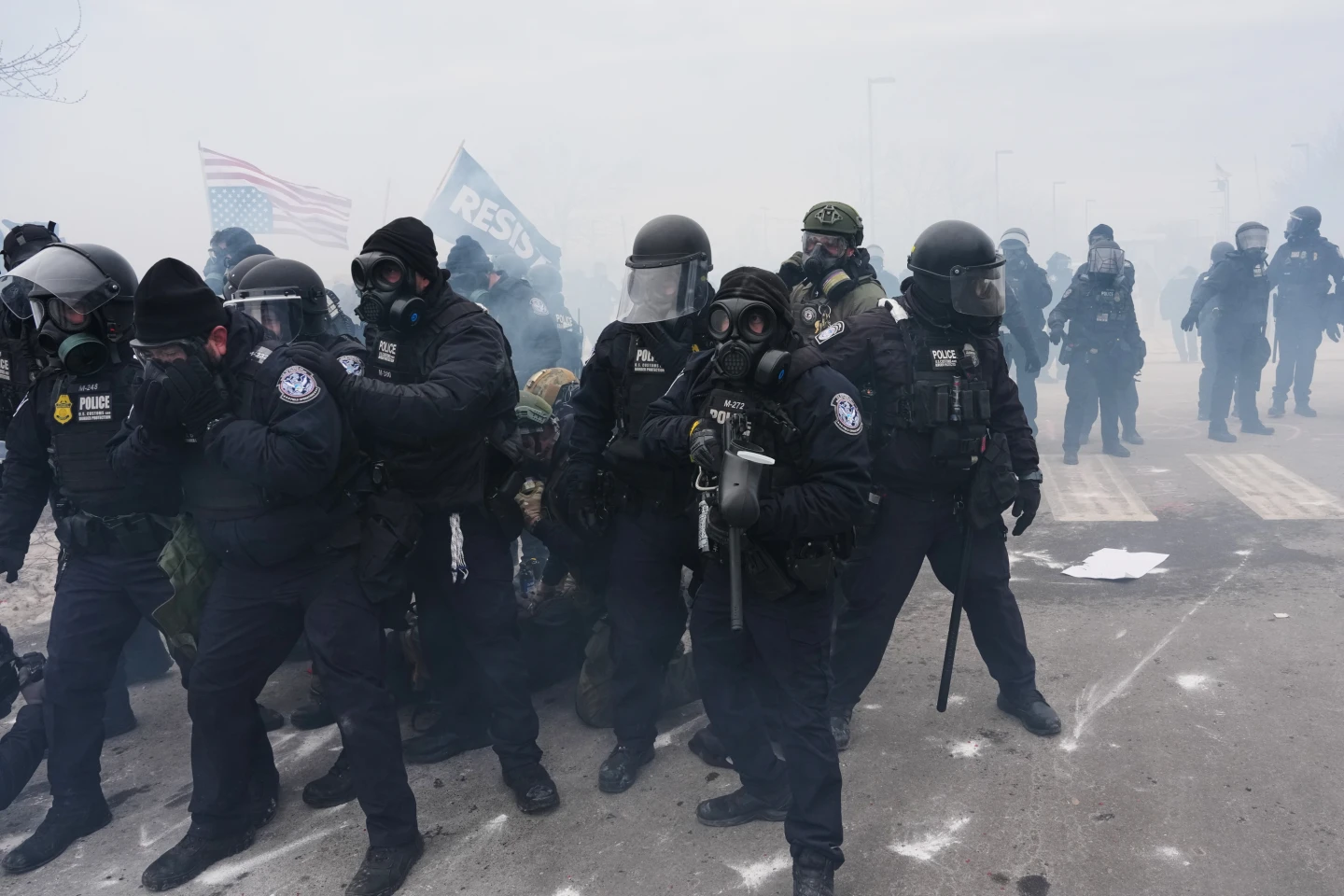
Video footage shared by Black Lives Matter Minnesota, a key organizer of the protest, captured chants that called for accountability, highlighting escalating tensions surrounding immigration enforcement in the region. Critics assert that Easterwood, as a pastor and an ICE field office leader, is complicit in harmful federal tactics deemed appropriate for community safety.
Assistant Attorney General Harmeet Dhillon stated on social media that the Justice Department's investigation will focus on the legality of the protests within the sacred space of a church, emphasizing that such acts could violate laws protecting worshippers.
A house of worship is not a public forum for your protest! Dhillon remarked, further asserting that such disruptions detract from essential religious practices.
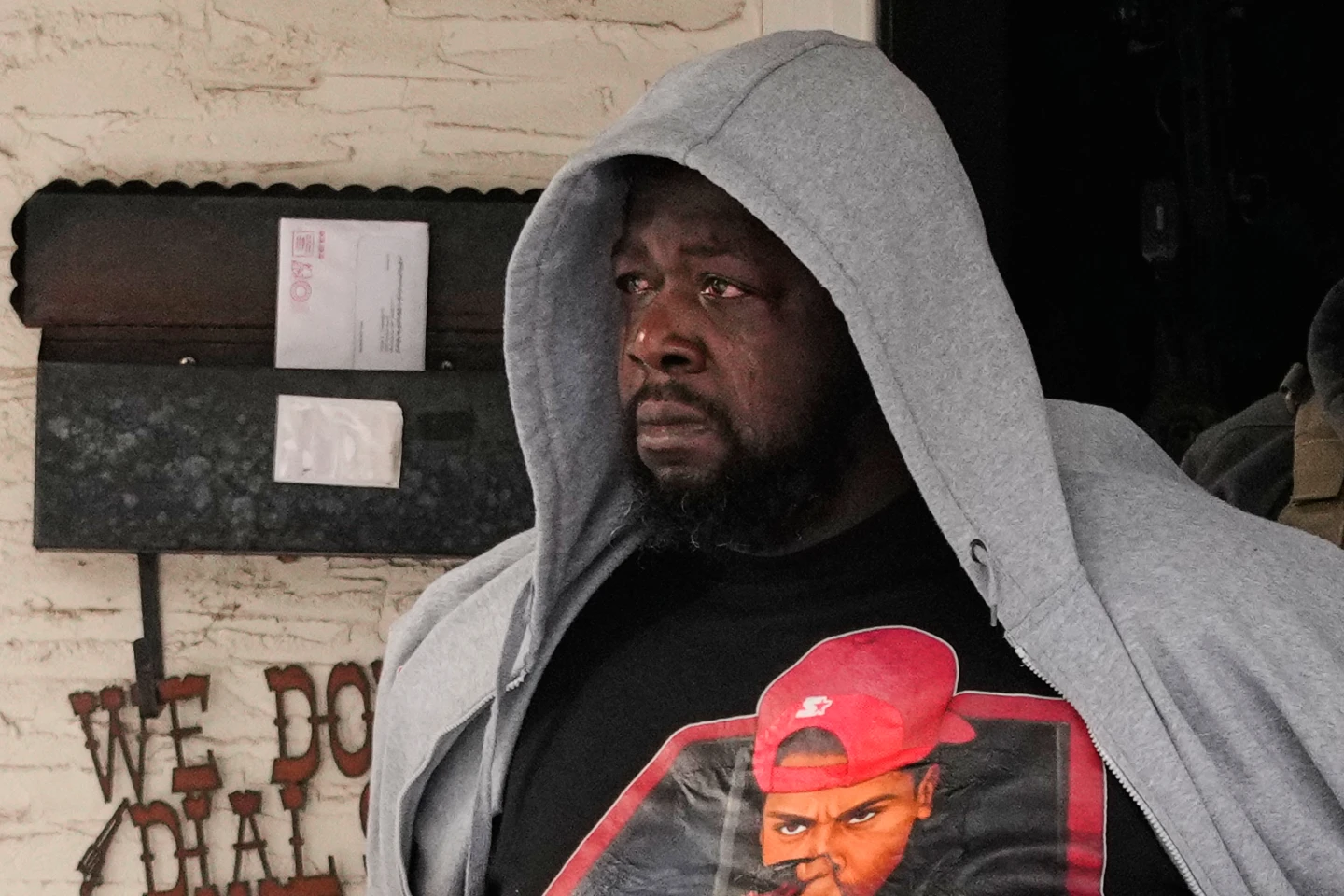
Local leader Nekima Levy Armstrong dismissed the potential investigation as a ruse, arguing it distracts from the real issues at hand: the aggressive tactics used by ICE against her community.
Armstrong questioned the moral integrity of actions that allow an ICE overseer to serve in a pastoral role, stating, If people are more concerned about someone coming to a church on a Sunday and disrupting business as usual than they are about the atrocities that we are experiencing... they need to check their theology and their hearts.
As the situation unfolds, Cities Church has not yet publicly commented, and questions remain regarding the potential implications of federal agents operating within such sensitive community environments. Attorney General Pam Bondi has indicated a strict stance against violations of federal law, further complicating the ongoing discourse around local immigration policies and enforcement actions.