MINNEAPOLIS (Flux Daily) — The mayor of Minneapolis, Jacob Frey, expressed strong opposition to the deployment of active-duty soldiers in the wake of an immigration crackdown, describing the idea as ridiculous and unconstitutional. He called on protesters to maintain peace to prevent the escalation of military presence.
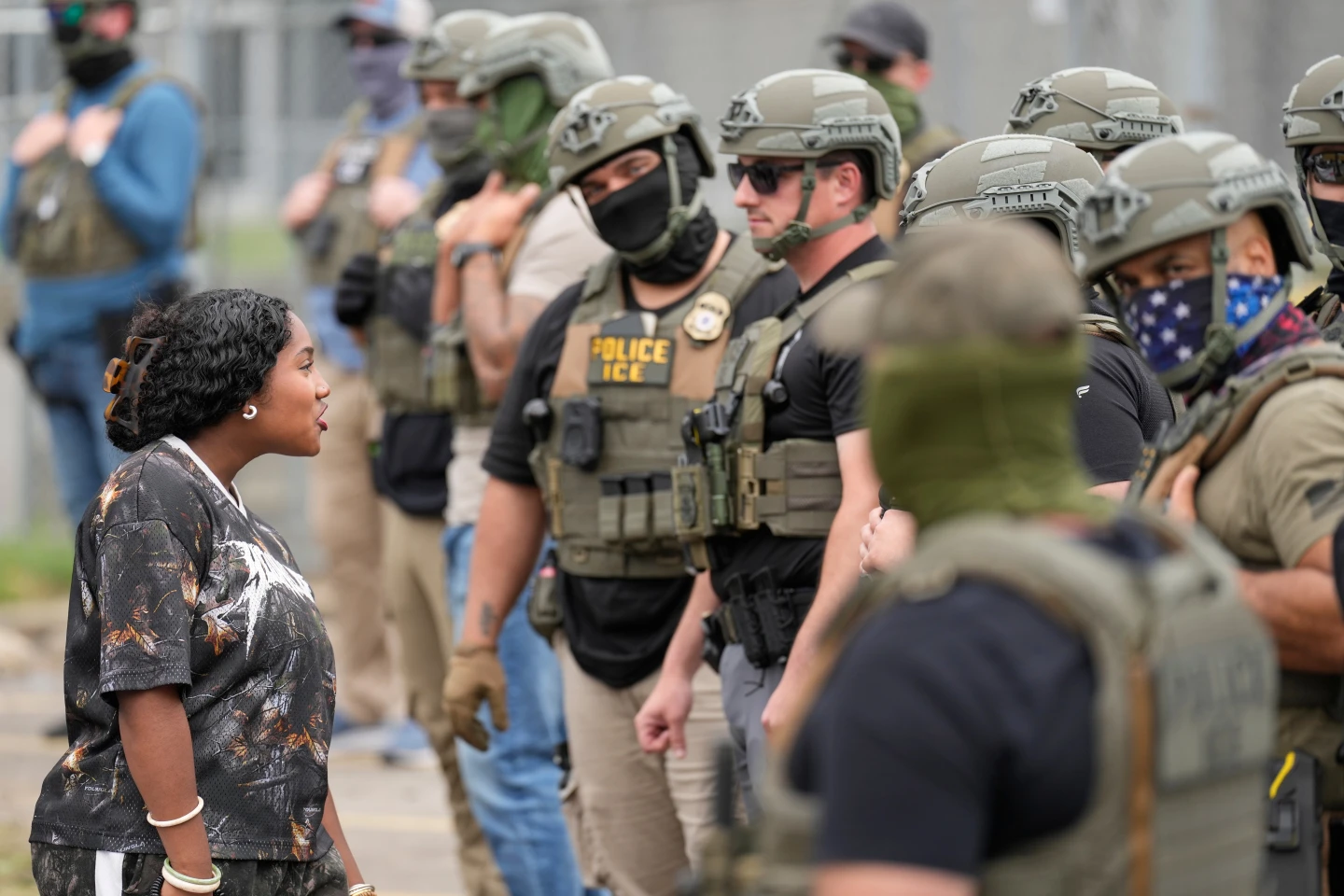
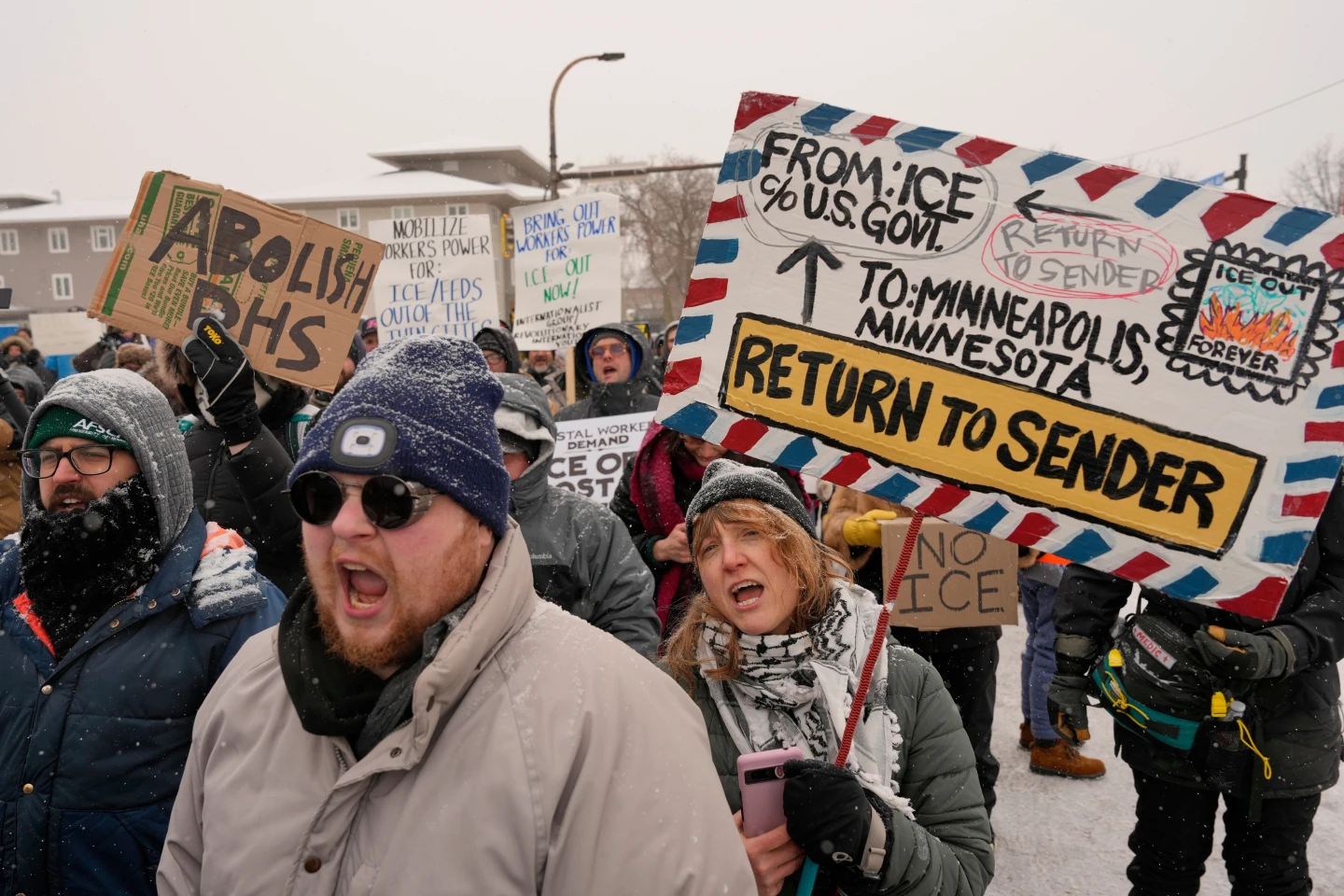
Protests have surged since the Department of Homeland Security intensified enforcement measures in the Twin Cities, mobilizing over 2,000 federal officers. In a show of solidarity, postal workers led a march through a diverse neighborhood, chanting: “Protect our routes. Get ICE out.”
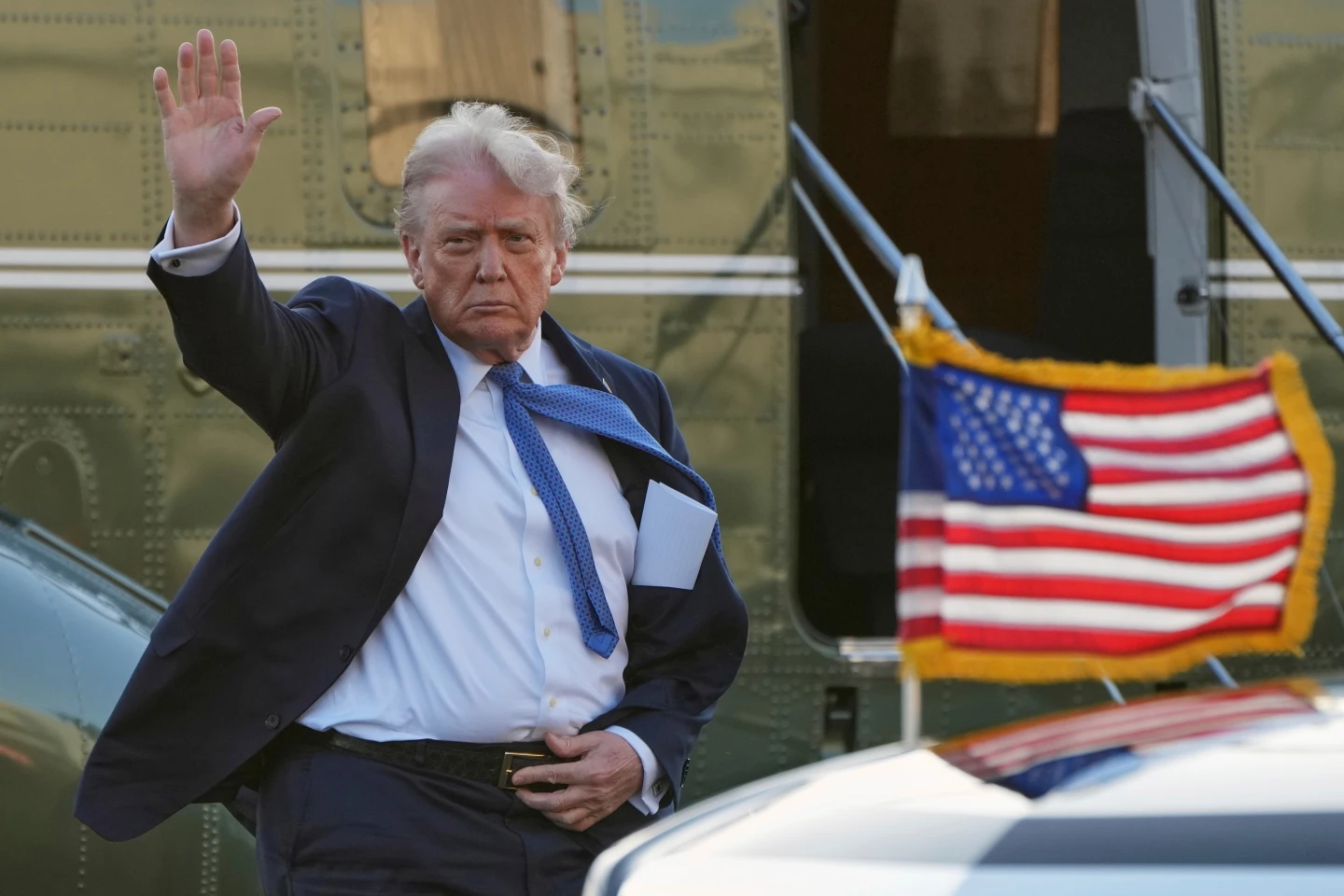
Officials revealed that about 1,500 soldiers from the 11th Airborne Division, stationed in Alaska, are on standby for potential deployment if President Trump enacts the Insurrection Act. This act enables the president to deploy military personnel within the U.S. during civil unrest.
Mayor Frey, appearing on CNN’s State of the Union, asserted, “It’s ridiculous, but we will not be intimidated by the actions of this federal government. It is not fair, it’s not just, and it’s completely unconstitutional.” He confirmed that thousands of citizens are exercising their First Amendment rights peacefully.
As protests continued, Governor Tim Walz activated the Minnesota National Guard, although no units have engaged on the street. Meanwhile, citizens gathered to express opposition to the immigration crackdown, recalling recent tragic events linked to federal actions.
Concern has grown among residents regarding the conduct of federal agents, with reports of aggressive tactics during ICE operations. A recent ruling from a federal judge reinforced that immigration officers cannot detain or use tear gas on peaceful protesters unless obstructing authorities.
Calls for empathy towards local officers were made by Republican House Majority Whip Tom Emmer, who noted that the officers involved are simply performing their duties amid rising tensions.
The Minneapolis situation illustrates a critical moment where civil rights, community safety, and governmental authority intersect, raising questions about the trajectory of the nation's immigration policy and law enforcement.