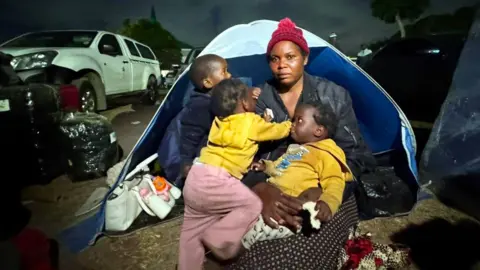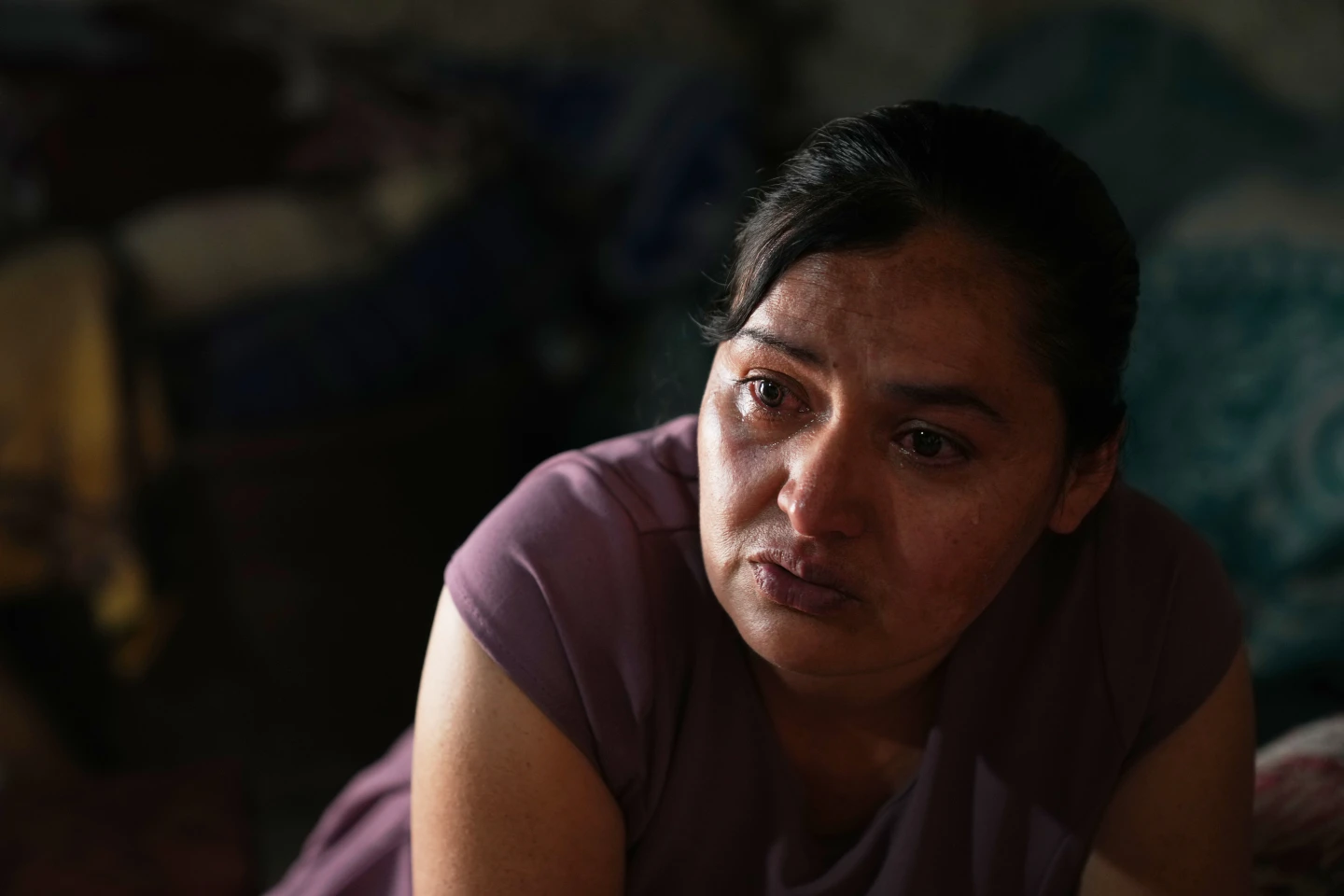
MINNEAPOLIS (AP) — In recent months, stories are emerging from Minnesota's healthcare community that illustrate the distress caused by the Trump administration's immigration policies. From pregnant women skipping vital medical appointments to patients missing crucial medications, the ramifications of an intensified crackdown are painfully evident.
Dr. Roli Dwivedi, past president of the Minnesota Academy of Family Physicians, spoke out at a recent state Capitol news conference. “Our places of healing are under siege,” highlighting a sharp increase in patient fear and hesitance to seek care.
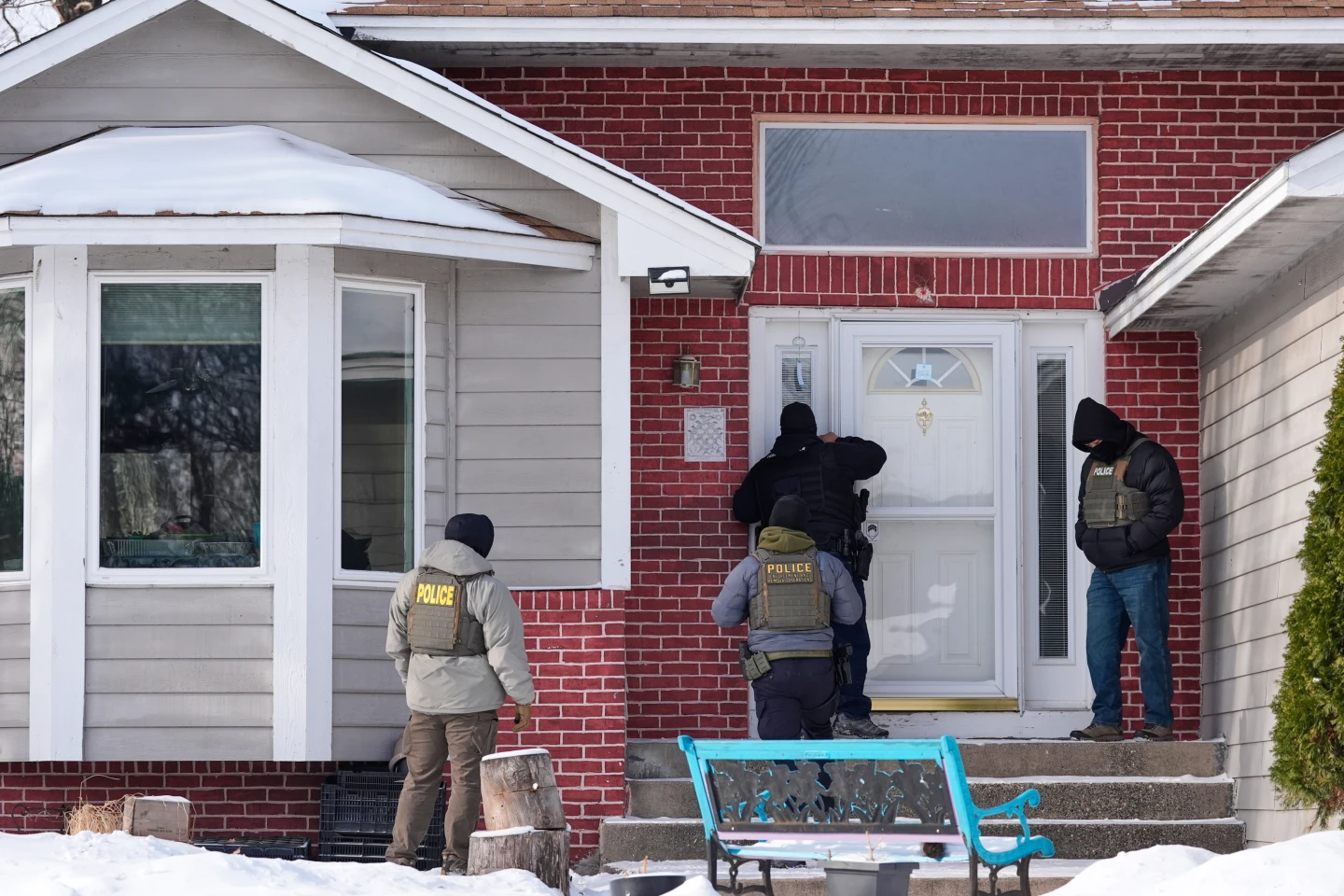
Since last year, federal immigration authorities have gained the ability to arrest individuals within hospitals, schools, and churches, reversing previous policies aimed at safeguarding these sensitive areas.
The scenario has prompted multiple healthcare professionals to recount their experiences as chaotic and fearful, likening current circumstances to those during the COVID-19 pandemic, which had once presented immense challenges to patient care.
Dr. Erin Stevens from the American College of Obstetricians and Gynecologists noted critical gaps in prenatal care due to fear of detention, and she reported an alarming spike in requests for home births, even among those who would not normally consider such an option.
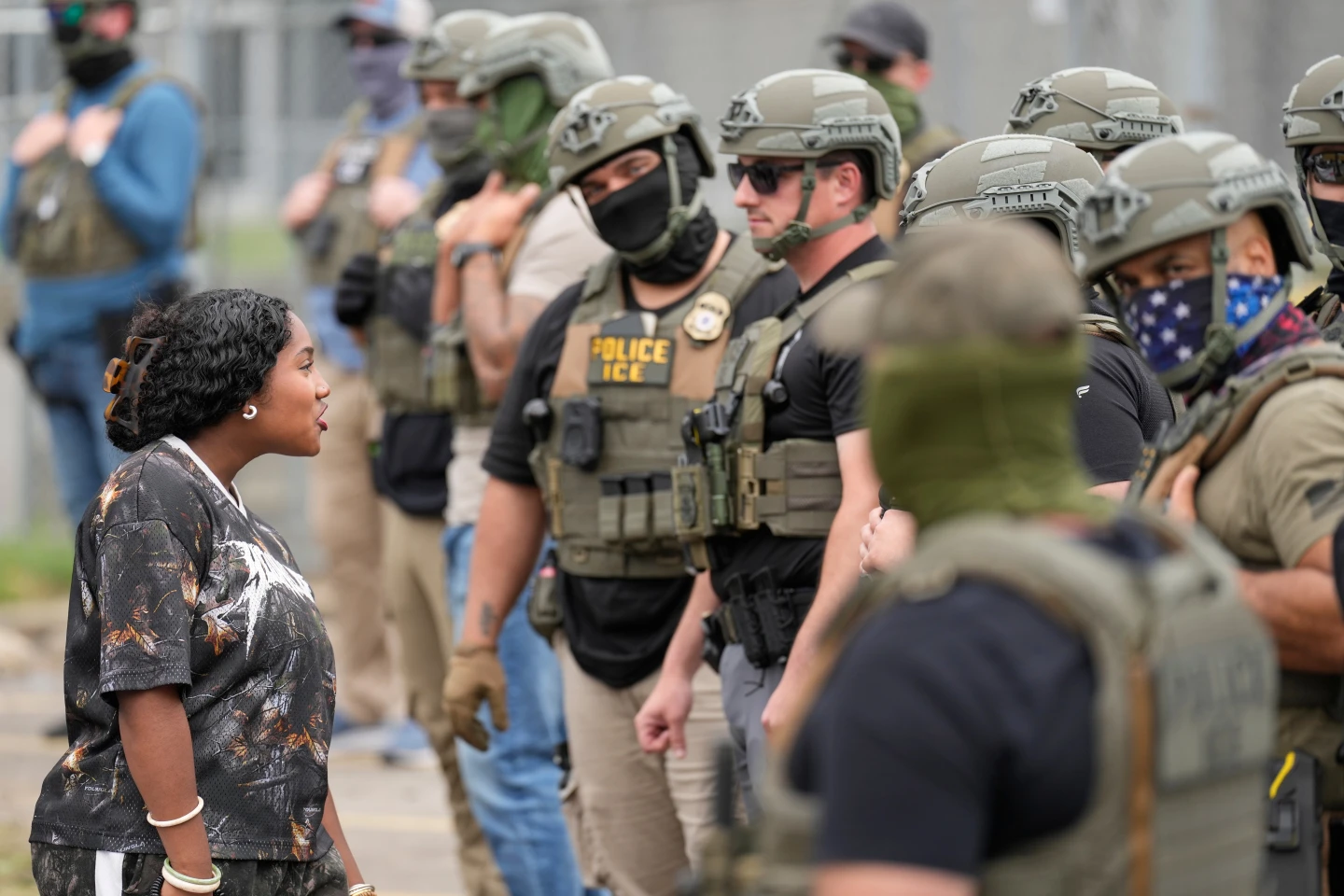
Amid the rising tension, incidents involving clashes between immigration officers and local activists have occurred, further intensifying the already strained situation. Tragically, such confrontations resulted in violence, including the death of a mother of three during an ICE operation.
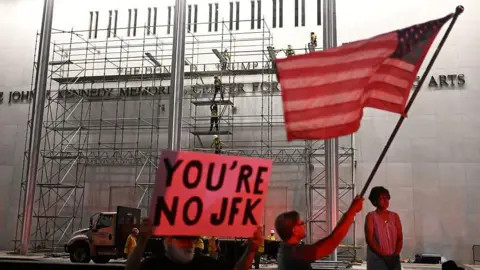
The situation has not only put vulnerable communities at risk but has also ignited fierce debates between local and federal authorities, particularly in politically liberal regions like the Twin Cities. Protesters have disrupted services at local churches associated with ICE, and the U.S. Department of Justice has initiated civil rights investigations in response to these protests.
As Operation Metro Surge continues, healthcare professionals and community leaders are voicing urgent calls for change, advocating for the protection of vulnerable patients and the reestablishment of trust in healthcare services.