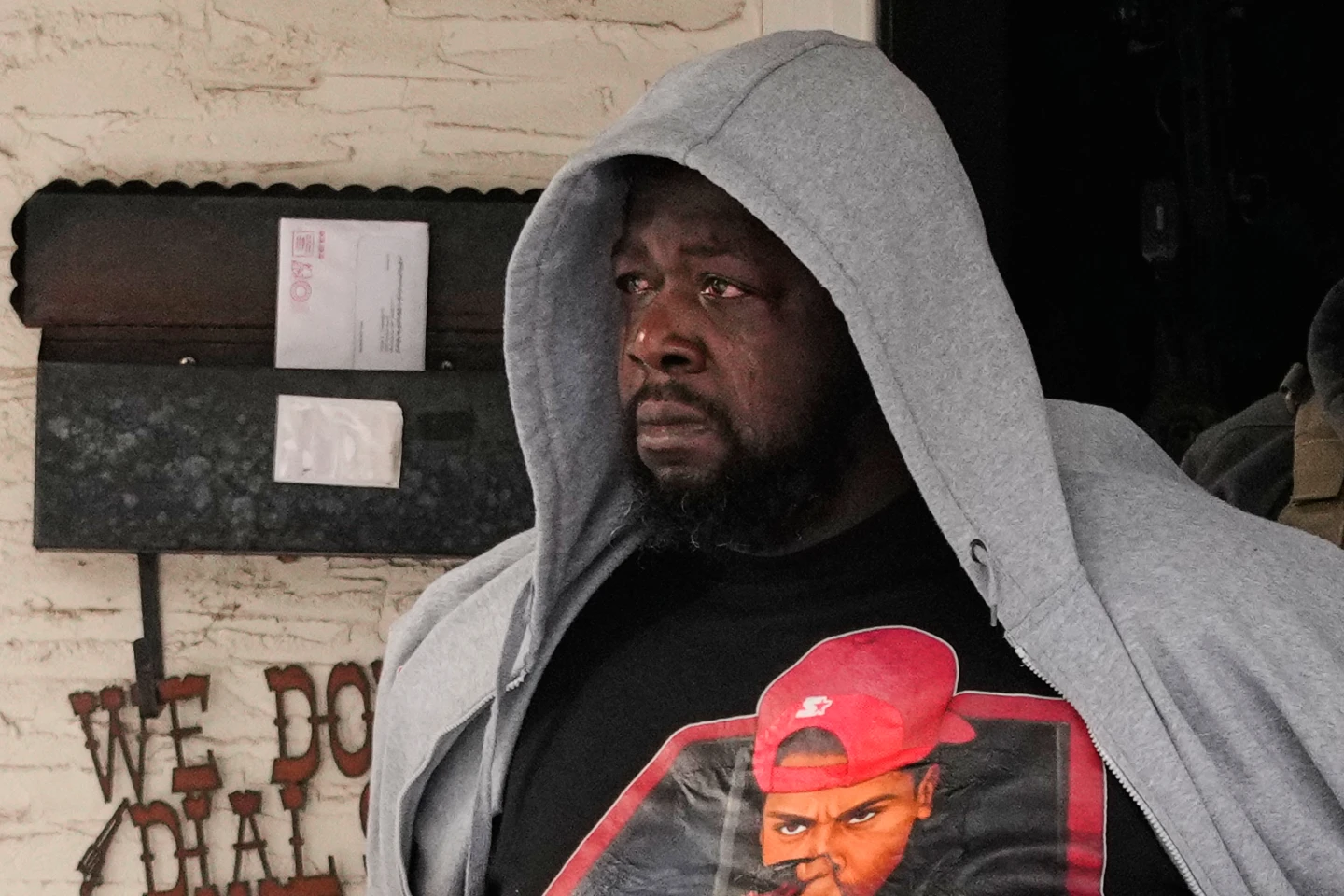
MINNEAPOLIS (AP) — Garrison Gibson, a man who fled civil war in Liberia as a child, shared his story this past Saturday, illustrating the profound fear that has gripped his life since being released from an immigration detention center during a crackdown orchestrated by the Trump administration. The disturbing events that unfolded on January 11—when federal officers used a battering ram to break down his front door—have pushed the community to rally against the crackdown that has reportedly resulted in over 2,500 arrests in the Twin Cities region.
Amidst ongoing protests and counterprotests, Gibson's case has become a pivotal point for those opposing such aggressive immigration enforcement. His ordeal began when he was arrested due to a 2008 drug conviction, which was dismissed years ago. Despite remaining in the U.S. legally under an order of supervision, federal officials revoked his status, prompting tension and fear of imminent deportation.
After a federal judge ruled that Gibson was not given adequate notice regarding the revocation of his supervision, he was returned home, only to be apprehended again shortly after a routine immigration check-in. His cousin, Abena Abraham, claims that this second arrest was ordered by White House Deputy Chief of Staff Stephen Miller, an allegation the White House has denied.
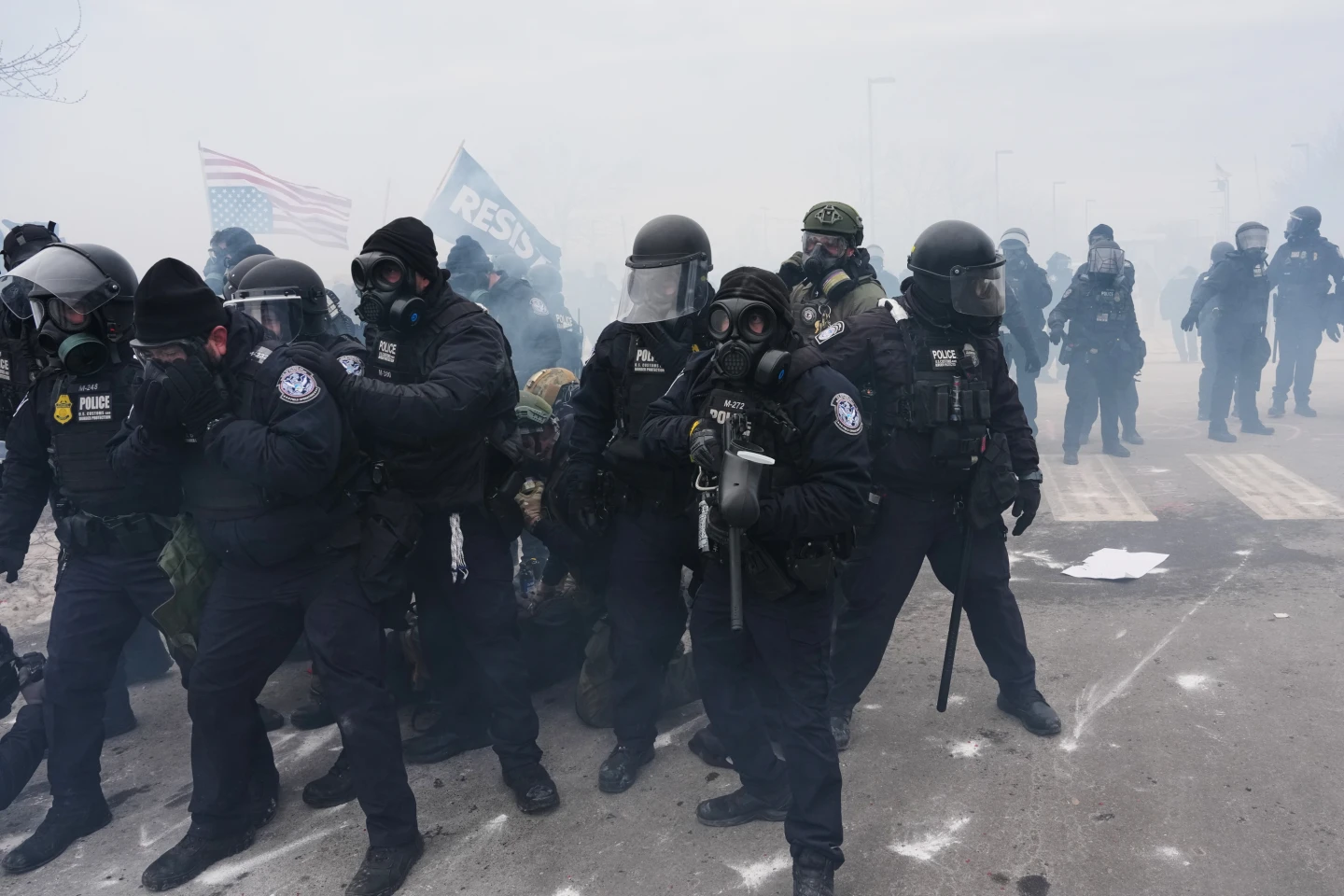
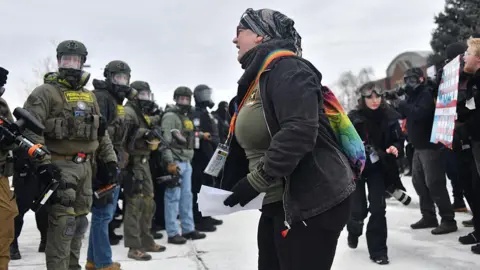
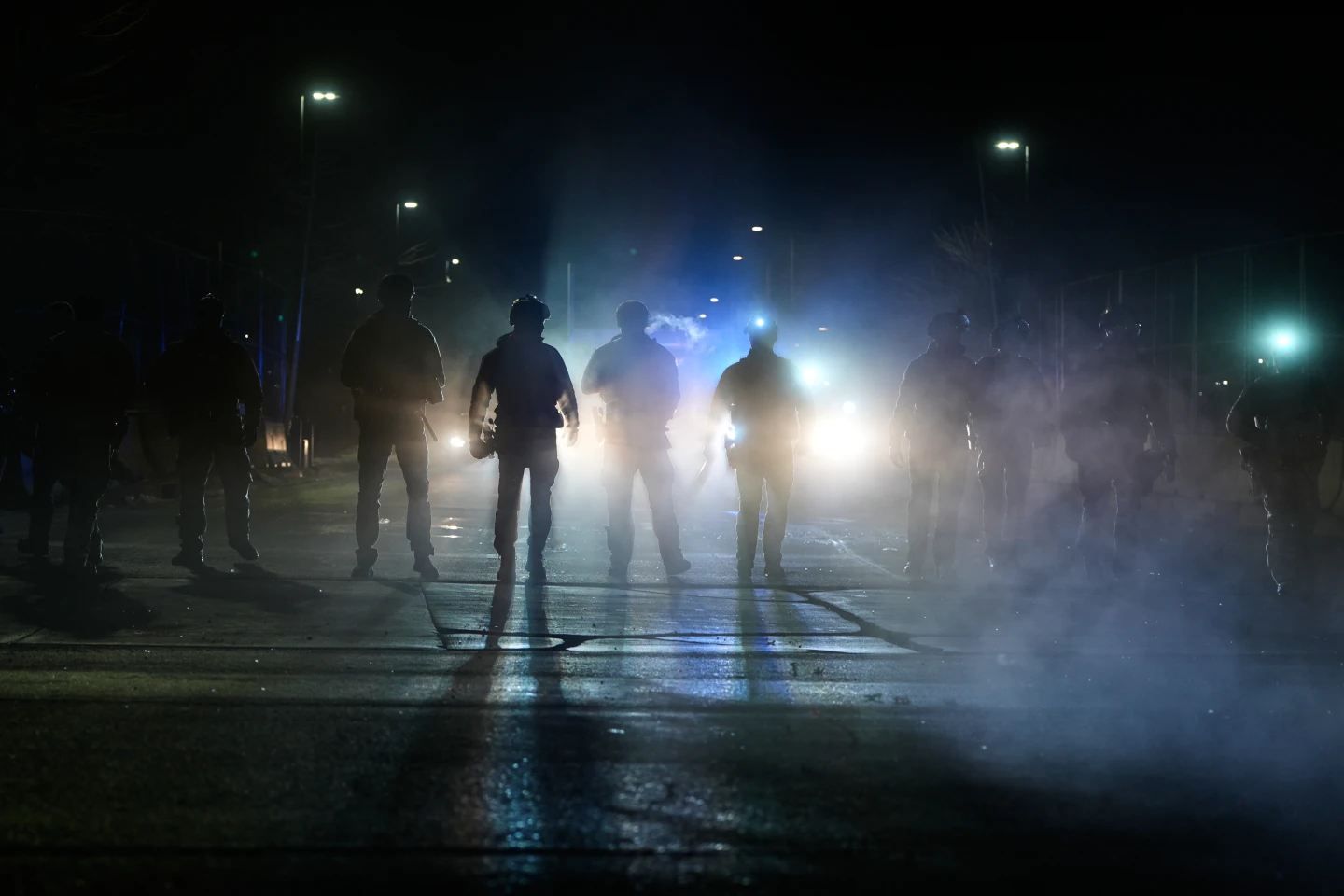
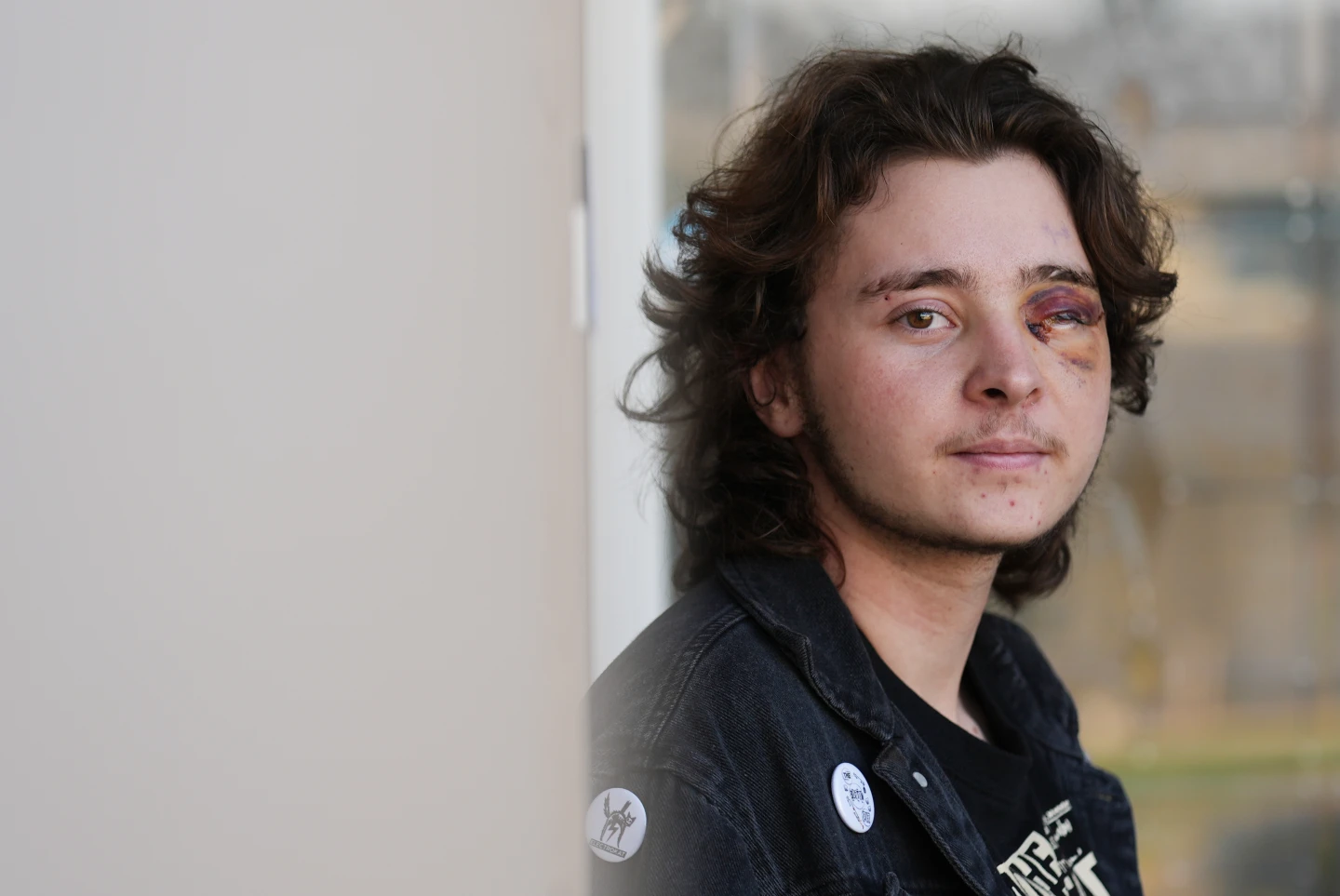
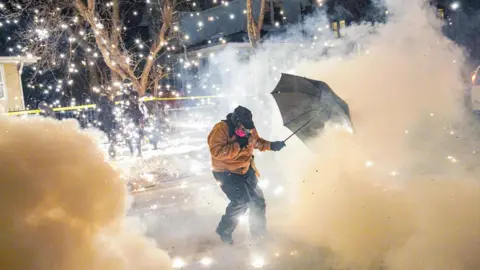
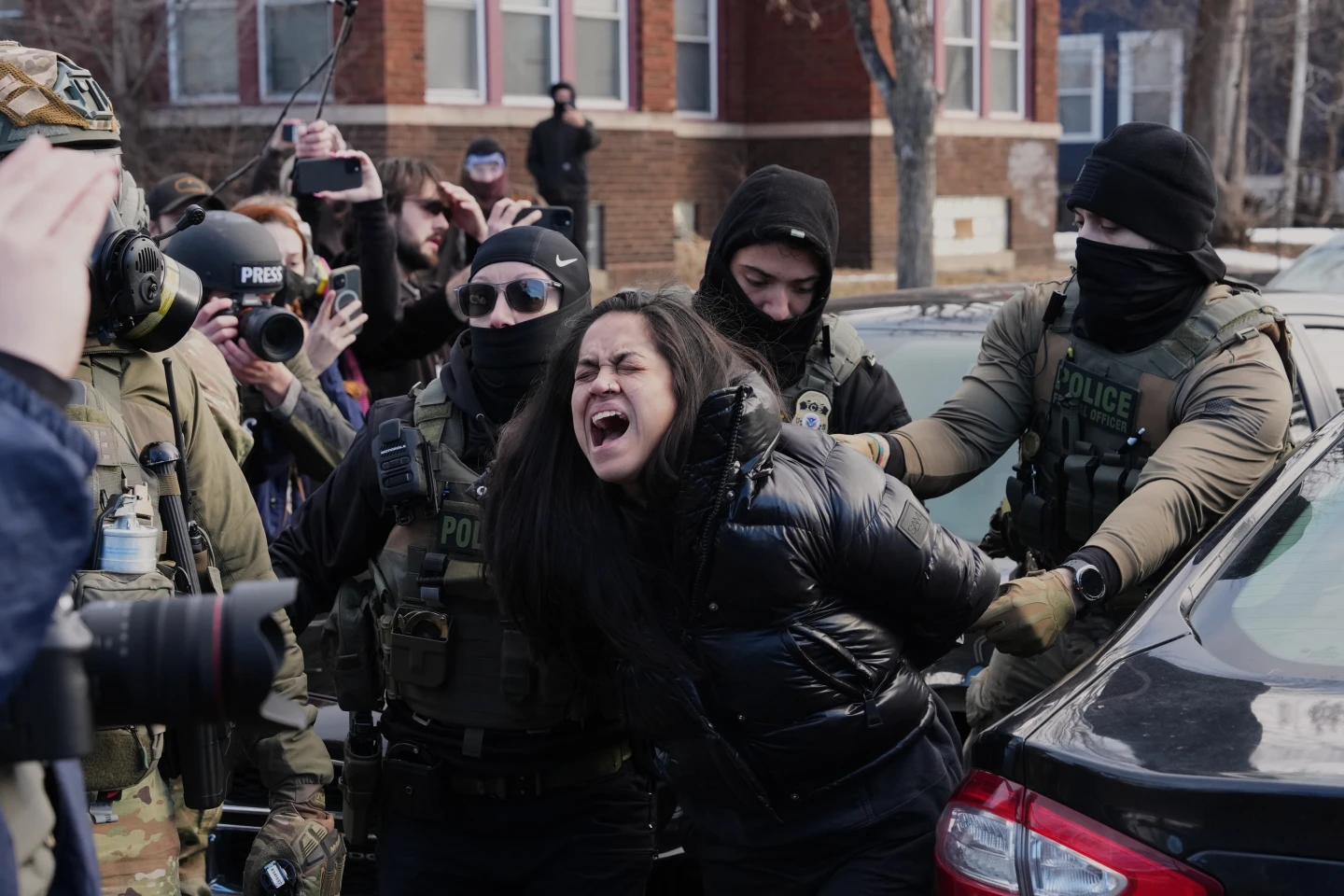
Gibson's emotional stance at a news conference—stating “I don’t leave the house”—paints a picture of despair as he grapples with the consequences of living in fear under current immigration policies. The Department of Homeland Security, for its part, emphasized its commitment to detaining and deporting what it refers to as 'criminal illegal aliens'. The crackdown marks one of the largest immigration enforcement operations in Minnesota, fueling daily protests, including aggressive tactics employed against demonstrators.
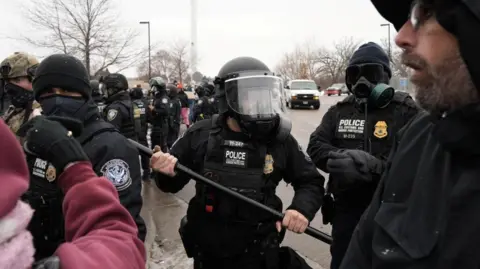
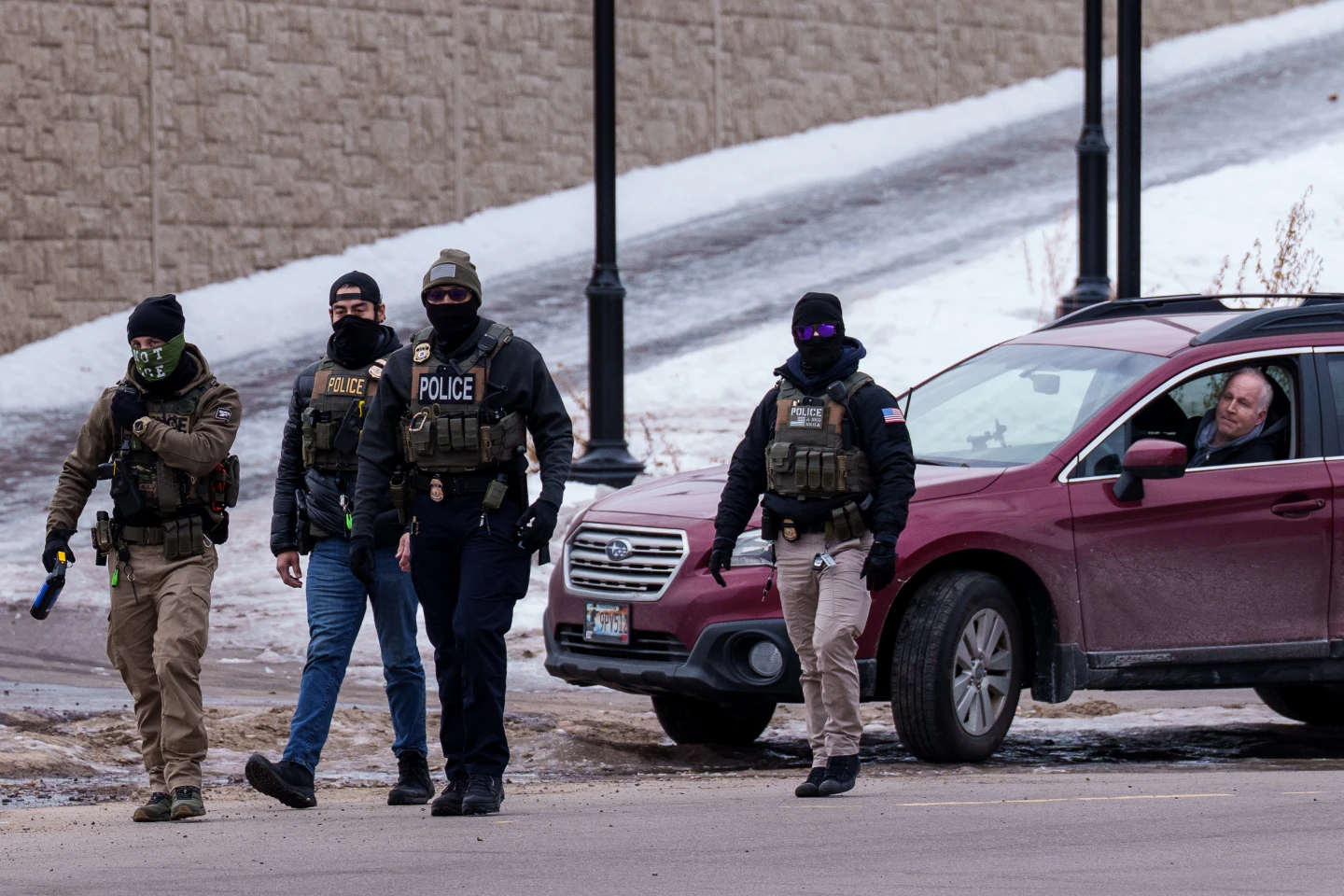
As the debate continues, community tensions are heightened, underlined by a recent federal judge's ruling that immigration officers cannot detain or use tear gas against peaceful protesters simply observing law enforcement activities during these operations. Gibson’s plea for justice and the ongoing protests point to a growing local and national concern over immigration enforcement and the fate of individuals like him caught in the crossfire.
Amidst ongoing protests and counterprotests, Gibson's case has become a pivotal point for those opposing such aggressive immigration enforcement. His ordeal began when he was arrested due to a 2008 drug conviction, which was dismissed years ago. Despite remaining in the U.S. legally under an order of supervision, federal officials revoked his status, prompting tension and fear of imminent deportation.
After a federal judge ruled that Gibson was not given adequate notice regarding the revocation of his supervision, he was returned home, only to be apprehended again shortly after a routine immigration check-in. His cousin, Abena Abraham, claims that this second arrest was ordered by White House Deputy Chief of Staff Stephen Miller, an allegation the White House has denied.
Gibson's emotional stance at a news conference—stating “I don’t leave the house”—paints a picture of despair as he grapples with the consequences of living in fear under current immigration policies. The Department of Homeland Security, for its part, emphasized its commitment to detaining and deporting what it refers to as 'criminal illegal aliens'. The crackdown marks one of the largest immigration enforcement operations in Minnesota, fueling daily protests, including aggressive tactics employed against demonstrators.
As the debate continues, community tensions are heightened, underlined by a recent federal judge's ruling that immigration officers cannot detain or use tear gas against peaceful protesters simply observing law enforcement activities during these operations. Gibson’s plea for justice and the ongoing protests point to a growing local and national concern over immigration enforcement and the fate of individuals like him caught in the crossfire.