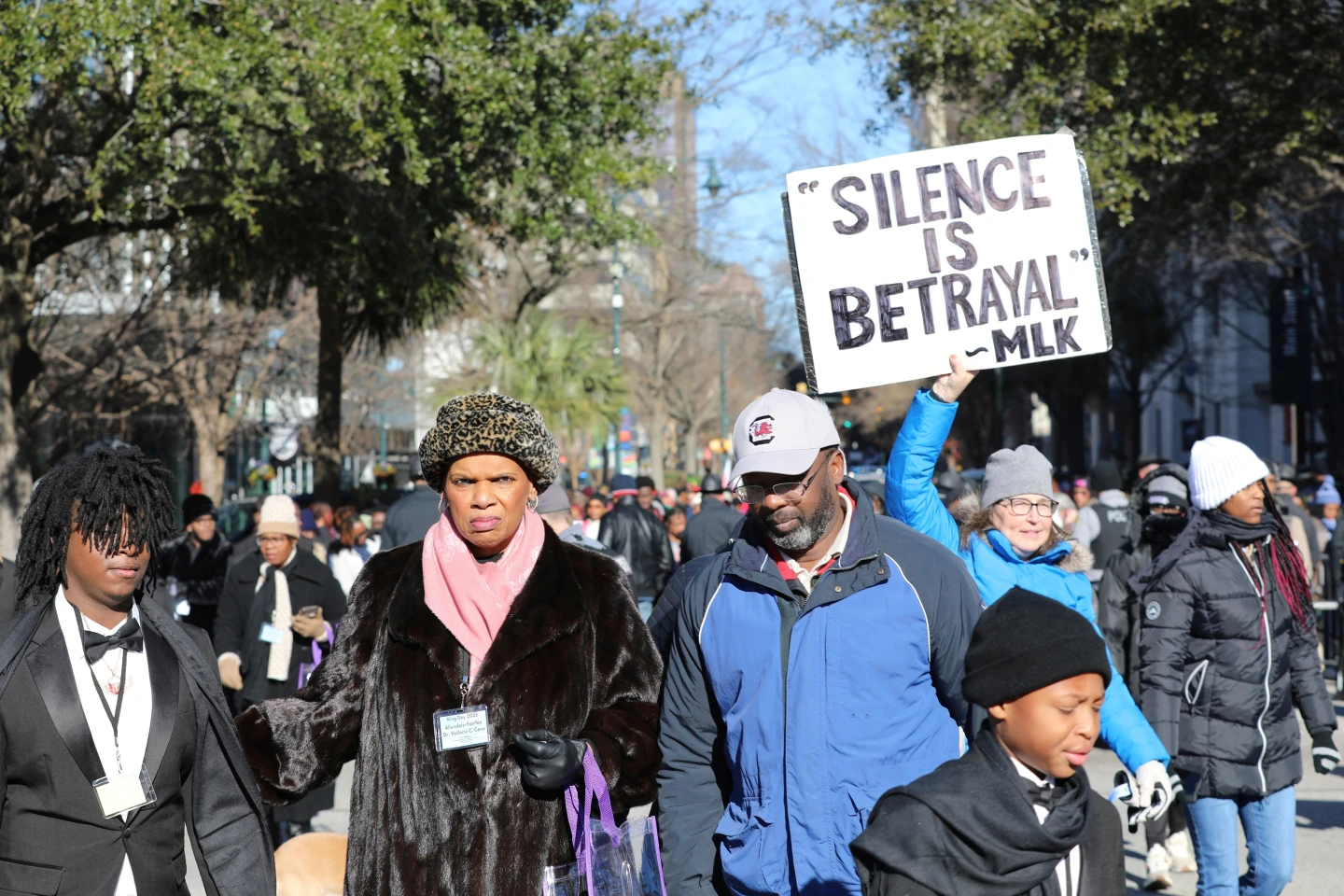
On this 40th federal observance of Martin Luther King Jr. Day, communities nationwide are hosting a variety of events, balancing celebration and protest in a time of heightened social and political tensions.
In a fraught atmosphere following controversial governmental policies and heightened surveillance, many events aim to reflect on King's legacy while also voicing dissent against perceived injustices. The past year has seen particular pushback against diversity, equity, and inclusion initiatives, alarming many advocates for civil rights.
Recent tragedies, including the shooting of an unarmed Minneapolis woman by immigration enforcement, have intensified fears of regressive societal norms reminiscent of a time King fought against. Events planned for this year encompass both traditional celebrations and organized protests, with certain factions aiming to reclaim King’s legacy as a demand for justice for communities of color.
Despite the tense climate, elements of celebration persist. Political figures, such as Maryland Governor Wes Moore, have emphasized the importance of recognizing the struggles impacting all Americans, while civil rights groups are rallying under banners calling for action and shared responsibility.
While some education institutions have faced challenges that led to cancellations of MLK Day events, smaller, community-led initiatives have emerged to fill these voids, ensuring King's message remains at the forefront of current discourse.
The varied reactions to this year's observance demonstrate the ongoing struggle to realize King's vision of a united and equitable society, challenging citizens to confront uncomfortable truths about their contemporary landscape.