In brief
The Trump administration has intensified its messaging around national identity and immigration policies, incorporating elements that echo far-right language. This follows heightened tensions in Minneapolis after a controversial ICE incident. While administration officials dismiss the accusations of promoting white supremacist ideas, critics express concern over the implications of such rhetoric in public discourse.
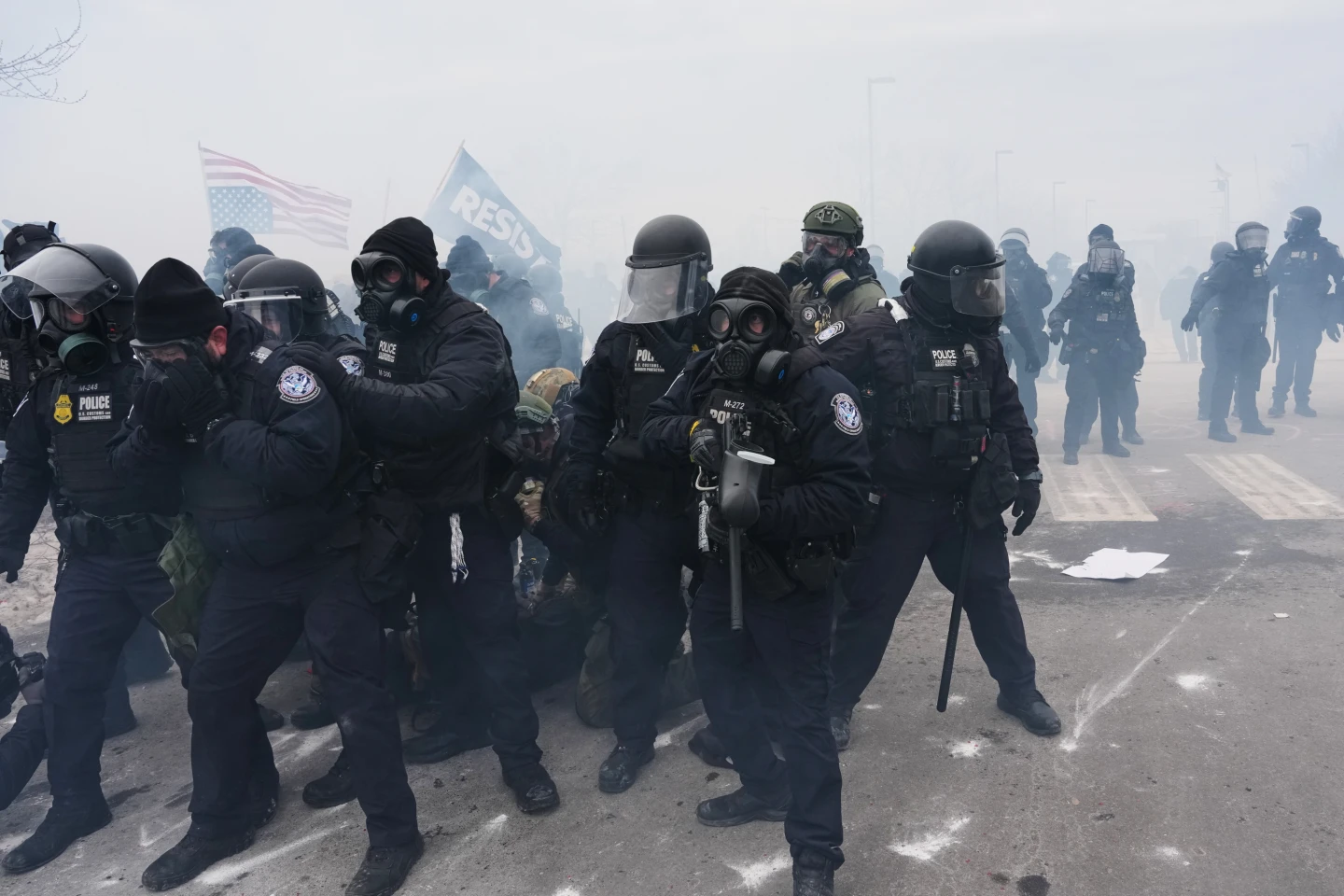
As its immigration crackdown in Minneapolis intensifies, the Trump administration leans into messaging that borrows phrases popular among right-wing groups.
Recently, following the shooting of Renee Good by a U.S. Immigration and Customs Enforcement agent, the Department of Homeland Security shared an image with the phrase “We’ll have our home again,” connected to a controversial folk-punk band.
This messaging has drawn criticism, with detractors likening it to Nazi slogans including “One People, One Realm, One Leader.” In a specific tweet, the Department of Labor reinforced the sentiment with the phrase: “One Homeland. One People. One Heritage. Remember who you are, American.”
These actions have stirred controversy as President Donald Trump increases pressure on claims to Greenland while using provocative imagery in tweets, such as a dog sled dilemma between American and foreign flags.
The department's tweets reflect a pattern in Trump’s messaging strategy, tapping into far-right sentiments to galvanize support for strict immigration policies. Critics argue that these references are calculated choices, straddling the line between mere coincidence and deliberate alignment with extremist views.
Despite administration denials and rebuttals emphasizing a misinterpretation of their postings, the connection to extremist rhetoric raises alarm among analysts and civil rights advocates.
As tensions escalate in Minneapolis and beyond, the social media landscape remains charged, prompting renewed discussions about the implications of such rhetorical choices on American society.