Geraldo Lunas Campos, a Cuban immigrant, tragically lost his life earlier this month at a Texas immigration detention facility during an incident involving guards. Local medical examiners have indicated that the circumstances surrounding his death will likely be classified as a homicide, heightening scrutiny over the treatment of detainees.
The federal government provided a conflicting account, asserting that Lunas Campos was attempting suicide when staff intervened. However, witnesses assert that he died after being tackled and restrained by guards, culminating in asphyxia from prolonged pressure on his neck and chest.
Details have surfaced, revealing that Lunas Campos was handcuffed and placed in a chokehold until he no longer responded. A preliminary autopsy report confirmed asphyxia was the cause of death, contradicting official narratives that paint the altercation as a mere struggle.
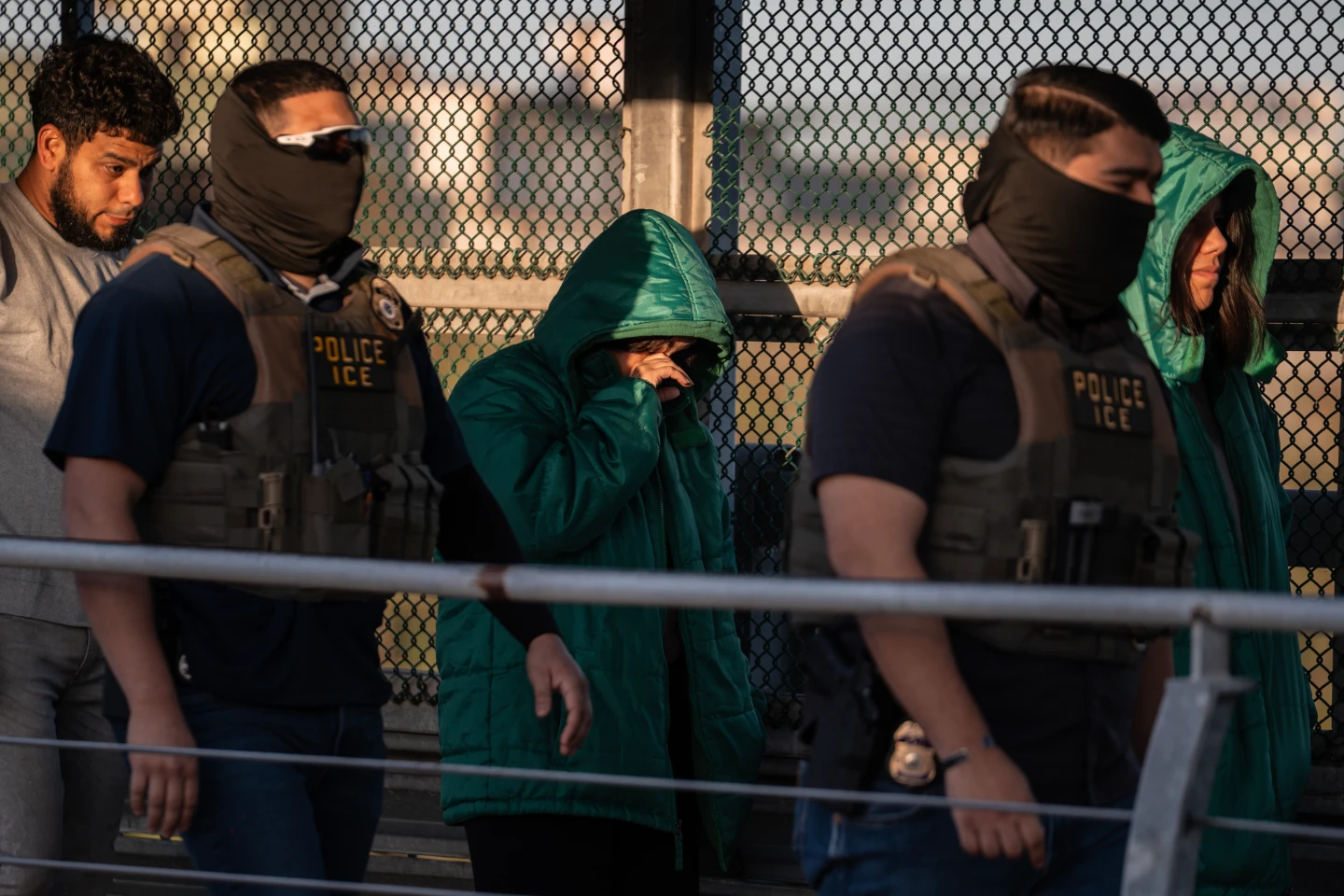
This tragic event has intensified scrutiny of detention centers, especially at a time when immigrant detentions across the country have surged. The conditions and treatment inflicted on detainees have drawn public attention, with rights advocates demanding accountability and reform within the system.
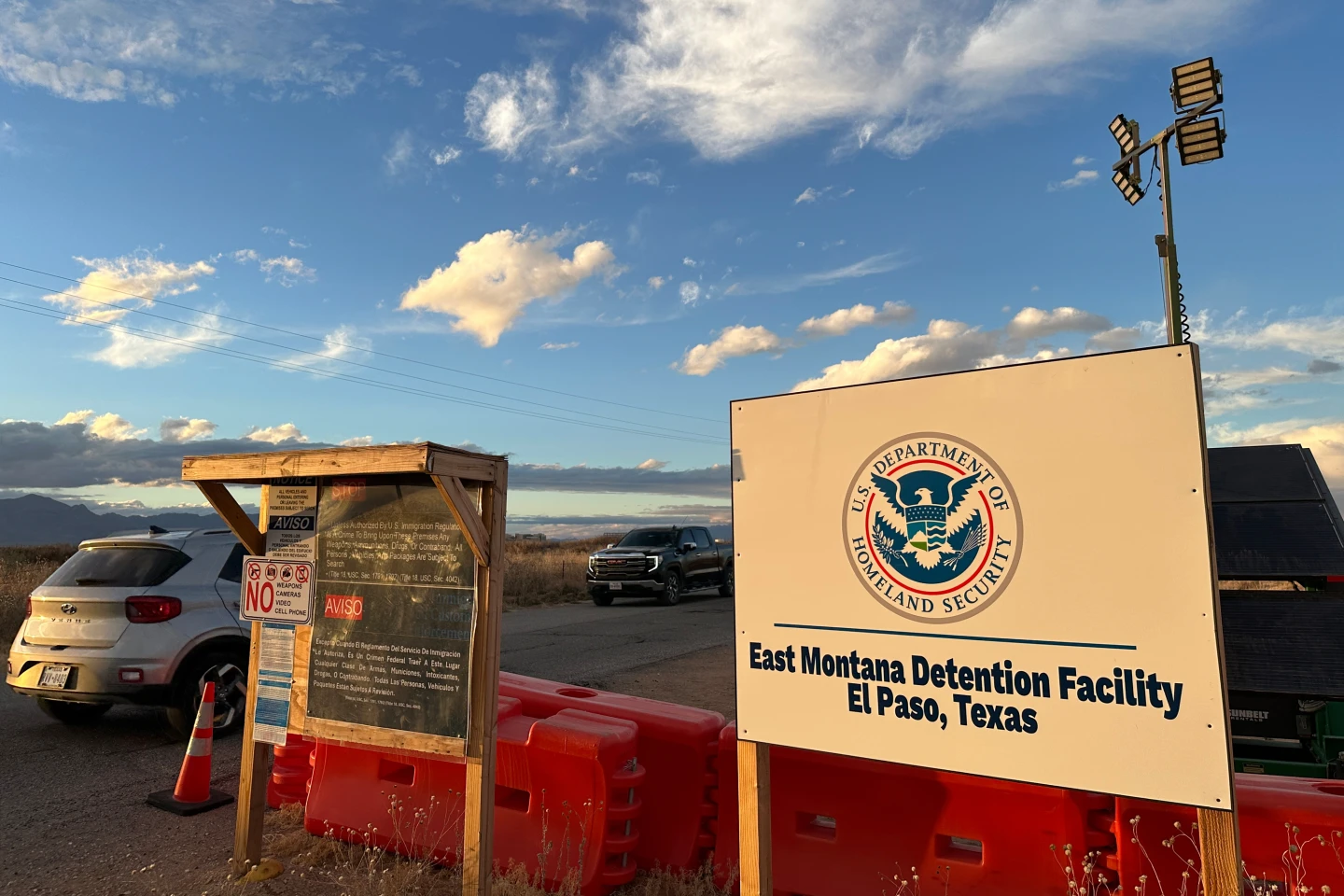
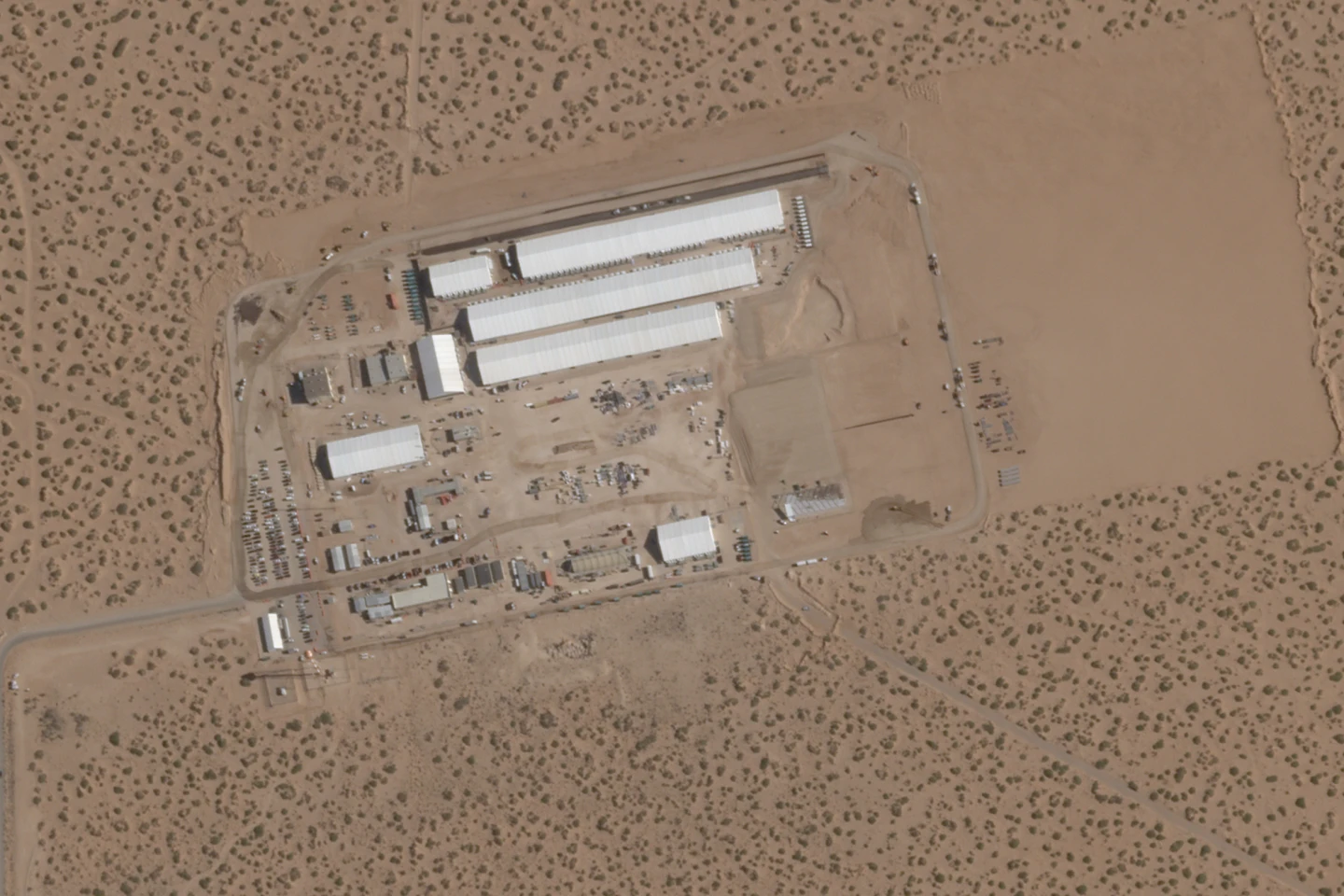
Accusations of mistreatment at Camp East Montana, where Lunas Campos was detained, have come to light. This facility, built rapidly on an Army base and managed by a private contractor, has faced criticism regarding its operational protocols and the treatment of occupants within its walls.
Lunas Campos was among the first detainees transferred to Camp Montana East. He had lived in the U.S. for over two decades after his arrival in 1996, but was arrested in an immigration enforcement operation, resulting in his detention due to past criminal offenses.
Witnesses allege that the guards employed excessive force during the interaction. DHS later claimed Campos resisted security staff, which potentially suggests negligence or at worst, complicity in a wrongful death scenario.
As investigations proceed, significant pressure is mounting on the specialized unit that controls such facilities. The medical examiner's ruling could have far-reaching consequences on the accountability of those involved. The revelations surrounding Lunas Campos' death not only spotlight the grim realities faced by detainees but also raise urgent questions about the treatment of individuals subjected to the immigration enforcement system.
His family, particularly his mother, has since been seeking answers and justice, with growing frustration at the responses they've received from authorities. Describing her son as a loving father, she expresses her desire for his remains to be returned home, emphasizing their need for closure amid these shocking developments.