WASHINGTON — A sharp warning is being sounded regarding the implications of a looming funding lapse at the Department of Homeland Security. Officials testified that delays in reimbursements for disaster relief costs could lead to dire consequences, alongside potential drawbacks in cybersecurity and airport operations.
While Congress has swiftly approved funding for most federal agencies, it has so far only extended a short-term funding patch for Homeland Security, which is set to run out soon. This has instigated calls from Democrats for any future funding to include revisions to immigration enforcement protocols, following recent tragic incidents.
Agreement on the contentious issue of immigration enforcement appears remote, yet the urgency for a funding solution is evident. Reports from the White House indicate ongoing discussions with both parties, emphasizing the administration's commitment to keeping the agency operational.
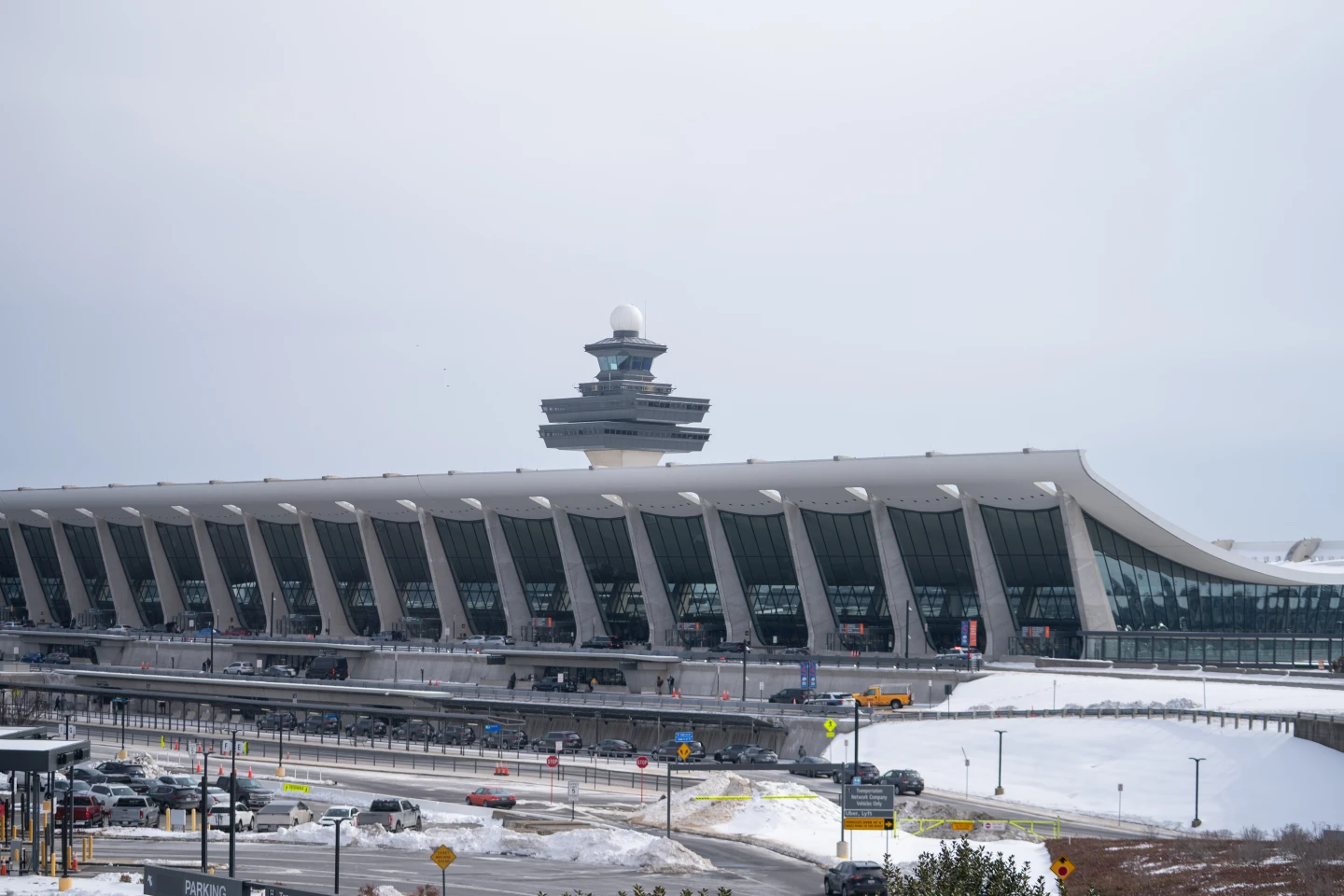
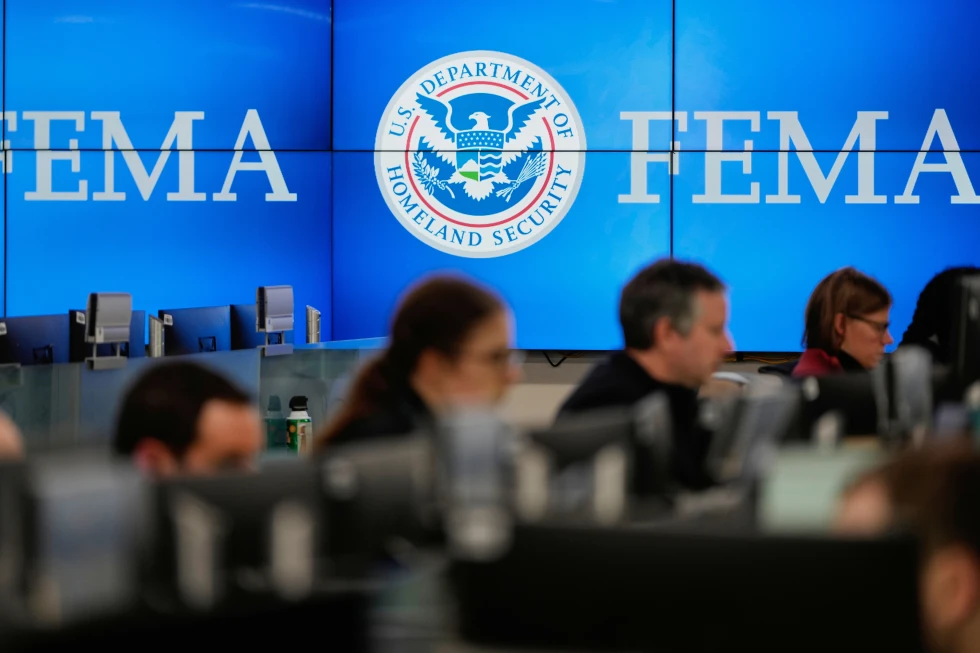
Despite significant challenges, many believe a compromise is still achievable. Republicans have reassured that essential duties, albeit without immediate funding, will continue, asserting that critical operations like removal efforts and wall construction will push forward. They highlight that agencies like the TSA, Secret Service, and FEMA would bear the brunt of the financial strain if a shutdown occurs.
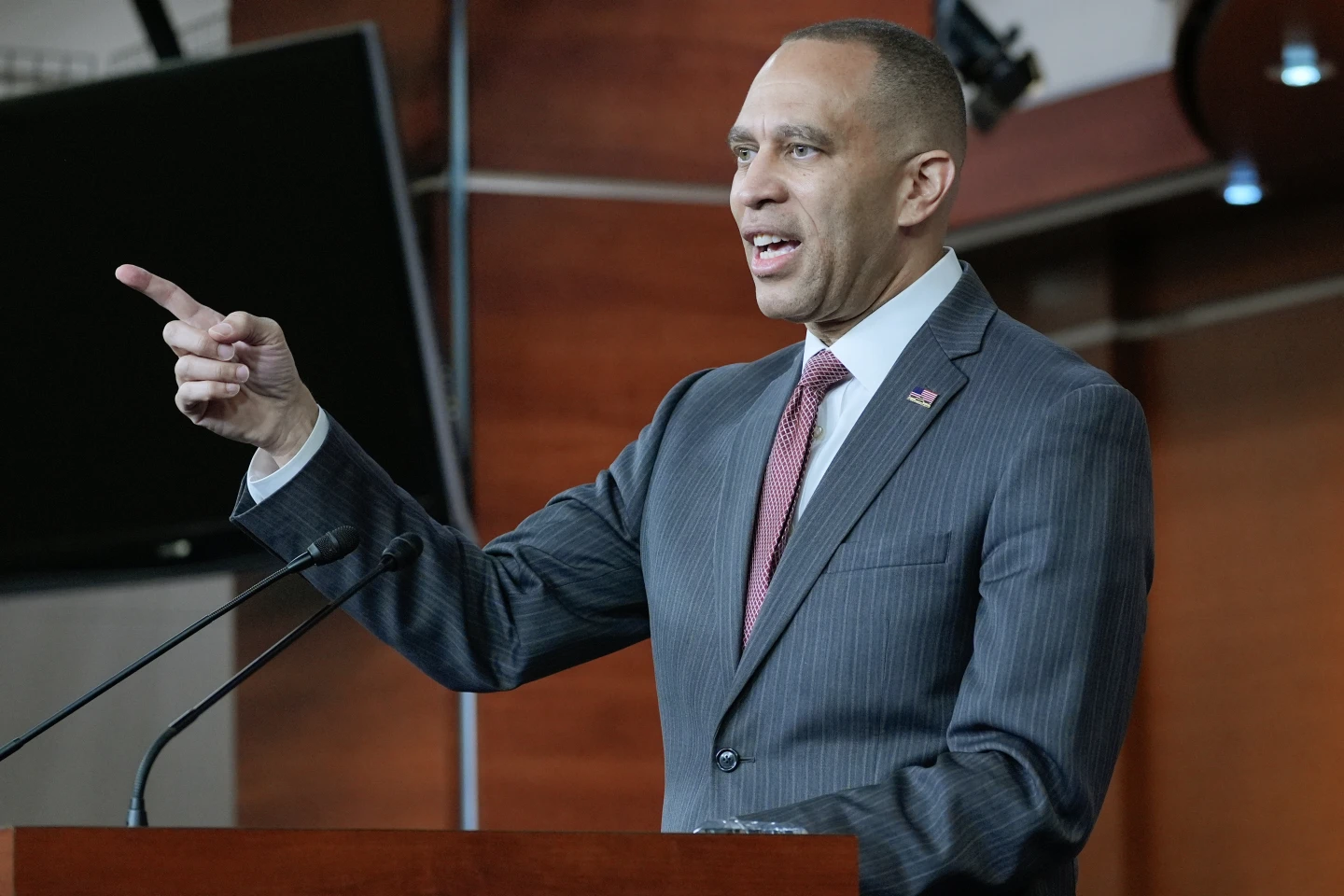
Representative Henry Cuellar, addressing lawmakers, stressed that recent fatalities linked to enforcement actions should prompt serious reflection on current laws and policies. He urged that strong border security should complement, not compromise, value for human life.
Amid the looming shutdown threat, approximately 90% of DHS employees would continue their work, albeit unpaid, a situation leaders say undermines morale and hinders recruitment efforts. Individual testimonies reveal severe financial strains amongst employees affected by prior shutdowns, further complicating their precarious position.
Cybersecurity officials warn that a hiatus could degrade their capacity to counteract threats, spotlighting how the fallout from a funding impasse could resonate throughout various sectors, from public health to emergency management. They call for immediate action to secure funding and avert a crisis that would interlace with the nation’s security framework.