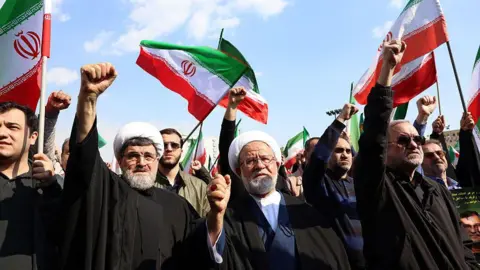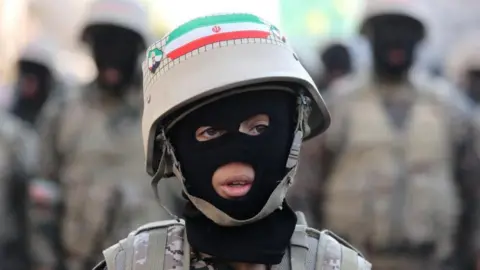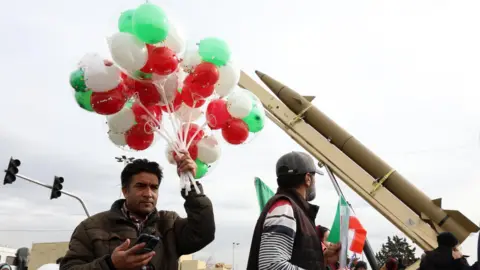
February 11, 2026, marked an intense day in Tehran as the city celebrated the 47th anniversary of the Iranian Revolution. As the clock struck nine, fireworks illuminated the night sky, accompanied by the rhythmic chants of 'God is Great' echoing from rooftops and windows. However, alongside these jubilations surged a palpable undercurrent of discontent, with shouts of 'Death to the Dictator' piercing through the festive atmosphere.
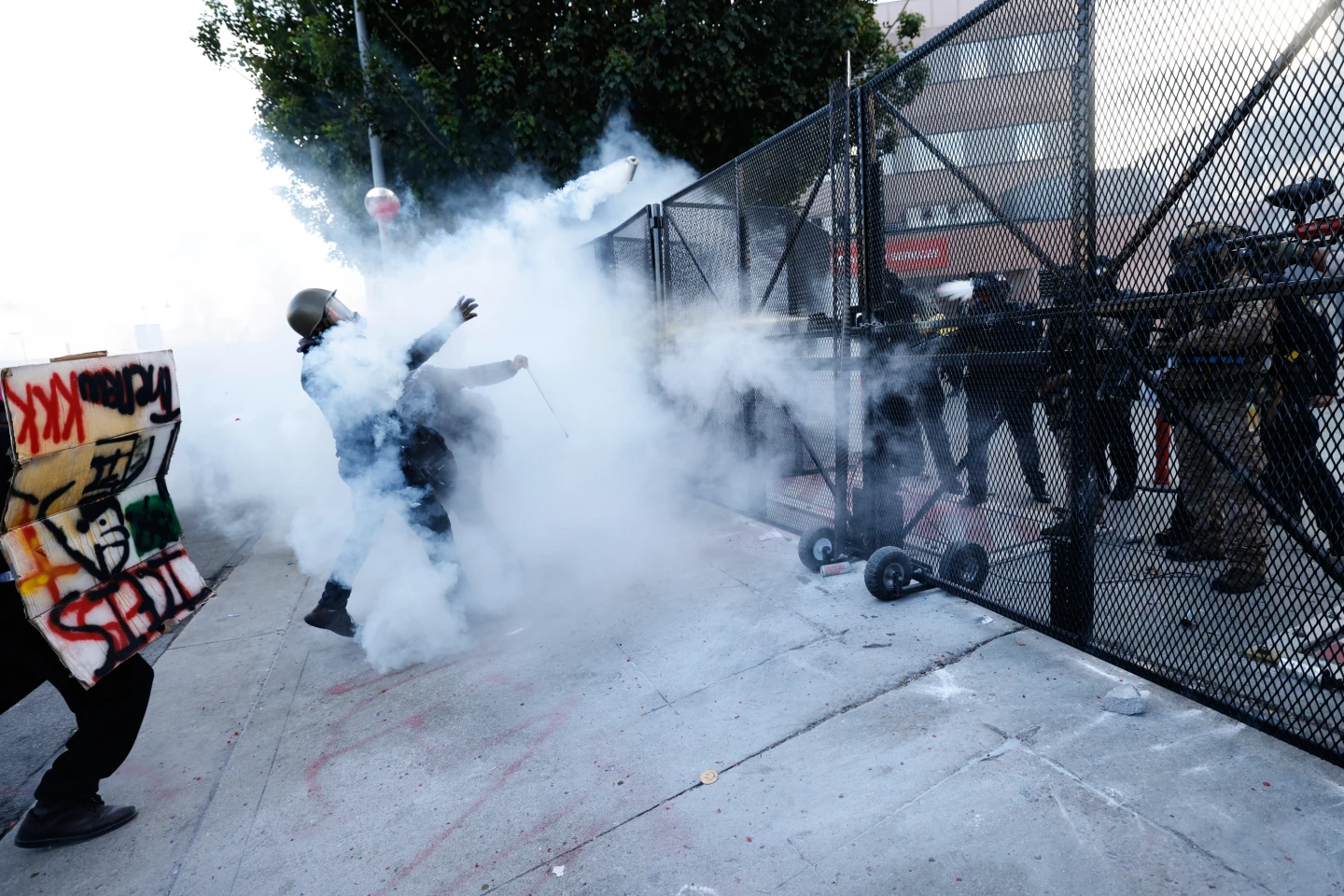
This year, the celebrations are overshadowed by stark reminders of recent protests that swept through the nation, leading to unprecedented violence and a tragic loss of lives among demonstrators. Eyewitness reports indicate that security forces met the protests with relentless crackdowns, which activists claim resulted in the deaths of over 6,490 individuals.
The mood in Tehran stands in stark contrast to previous commemorative events; the sentiments towards the regime and its leadership have dramatically shifted amidst economic turmoil driven by inflation and rising costs of living. Questions arise regarding the government’s ability to manage these crises, especially in light of President Donald Trump’s warnings regarding military interventions if diplomatic efforts fall short.
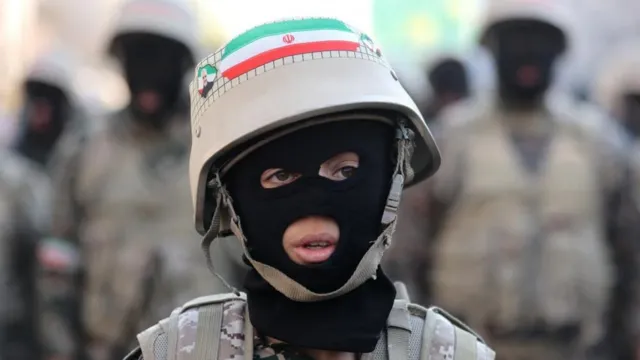
Amidst the climactic rallies filled with loyalists waving flags and holding portraits of Supreme Leader Ayatollah Ali Khamenei, dissent remains ripe among citizens. Young people express their desire for basic freedoms and voice their legitimate grievances against the economic situation, defining a critical juncture in the Islamic Republic's history.
As Iran grapples with these complex dynamics, the question remains: how will the regime navigate through the mounting pressures, both from its citizens and international expectations? The revolutionary spirit that once transformed Iran half a century ago now faces an evolving reality defined by societal demands for change.