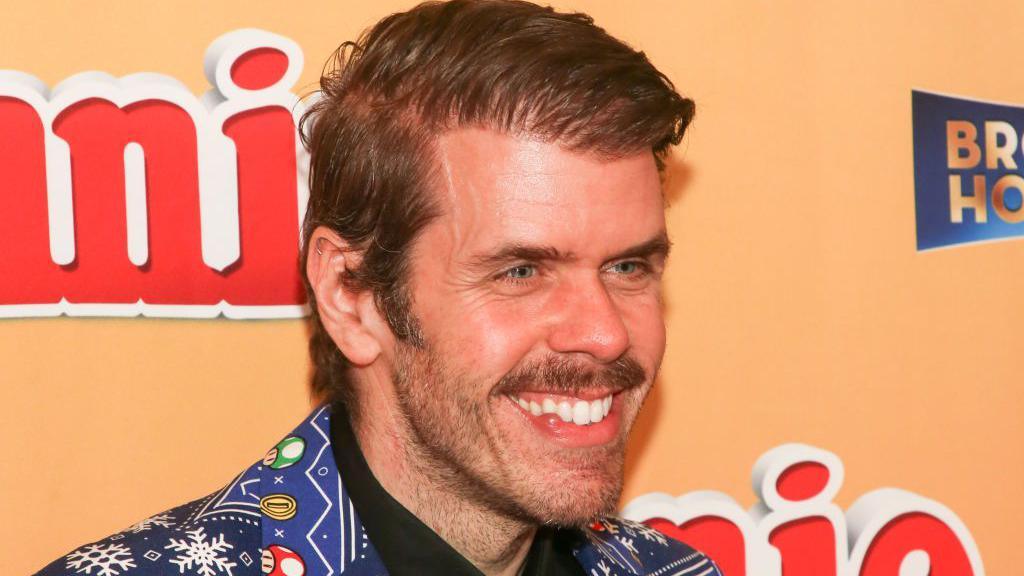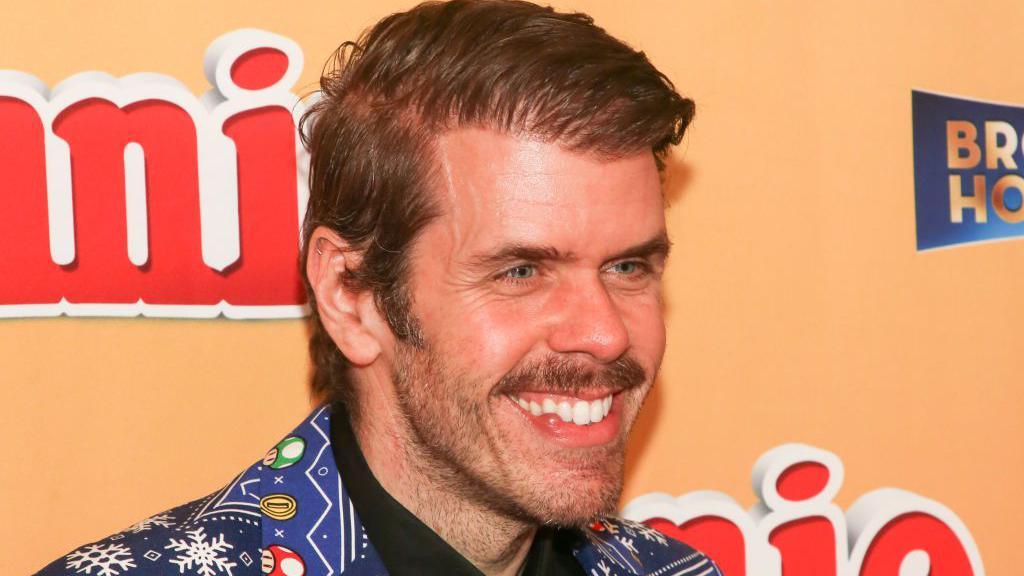
The 48‑year‑old comedian‑blogger Perez Hilton, who gained fame with his sensational gossip site in the mid‑2000s, was brought to the emergency department in Miami after a TikTok livestream was flagged for public concern. The incident involved the practitioner, whose real name is Mario Lavandeira, displaying violent self‑harm, which led to an estimated blood loss and inflicted serious physical trauma.
According to statements released from Hilton’s website, the male was admitted under Florida’s Baker Act, a legal mechanism intended to provide welfare services for individuals experiencing a psychiatric crisis. While the official report does not detail the exact nature of his injuries, medical personnel confirmed the care is classified as “serious but stable”, and surgical interventions are scheduled for the coming days.
The livestream, streamed on Tuesday during the evening hours, was flagged by TikTok’s automated moderation in milliseconds. An error in the automatic review caused a brief delay of removal; the platform ultimately severed the account and cancelled multiple subsequent streams within 90 seconds, according to a spokesperson. Publicly, the televised content drew heavy criticism from advocates for safer mental‑health content, with the site indicating that it already had emergency protocols in place to handle such incidents.
The buzz around this accident and its aftermath has also reignited discussions about the long‑term impact of the celebrity gossip domain. Since its launch in 2005, the Perez Hilton blog attracted millions of hits a day and came under fire for its harsh commentary on celebrities. Mr. Hilton has since acknowledged feelings of regret over some of his earlier content, admitting in later interviews that he was “mean or cruel.”
Those dealing with depression, suicidal thoughts or crisis are urged to seek help, as the site’s advice page indicates available support lines and mental‑health resources, including the BBC Action Line. Meanwhile, the combination of an online‑platform trigger and physical emergency service reaction highlights the need for robust cross‑platform regulatory frameworks for mental‑health crisis indications.