In brief
Between October 2025 and July 2026, false rumours that a brief shoulder touch can shrink or erase a man’s genitals spread through TikTok, Facebook and local gossip. The rumor sparked mob attacks in six African countries, killing more than 80 people including police, health workers and ordinary citizens. Police and the BBC Global Disinformation Unit have traced the violence back to misinformation, while officials say the stories are linked to long‑standing superstitions and can be countered with education.
Across a swath of East and Central Africa, a viral urban legend claiming that a slight shoulder tap can erase a man’s genitals has turned fatal. Over the past nine months, police reports from Kenya, Mozambique, Tanzania, Zambia, Burundi and the Democratic Republic of Congo have recorded more than 80 deaths linked to the spread of the story.
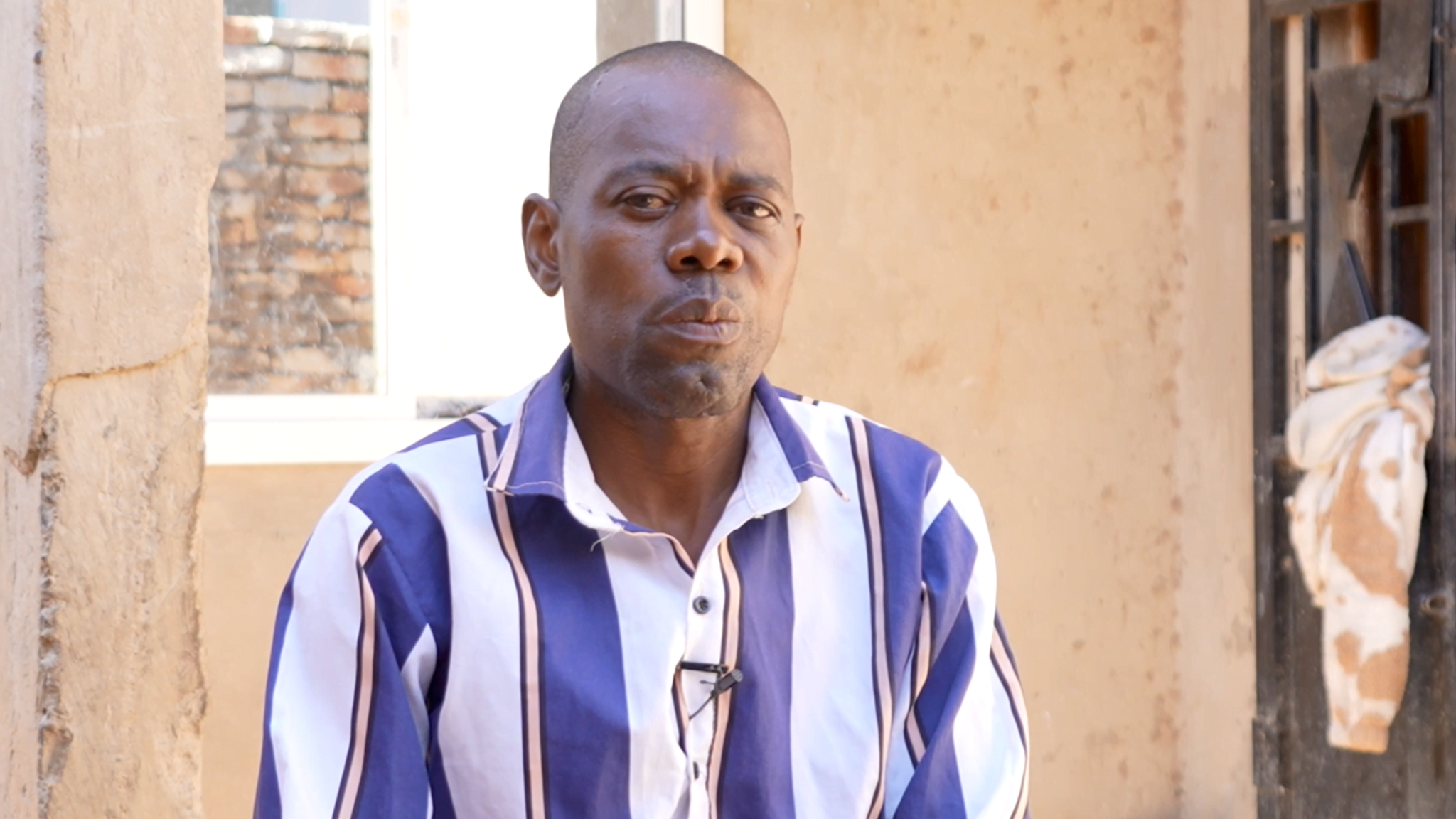
The threat hit hard in the border town of Tunduma, Tanzania, where Boniface Mgala, a local mechanic, and a friend were dragged out of a restaurant on 1 April after a crowd shouted that they had stolen a man’s genitals. Mgala later explained, I was beaten until I lost consciousness and I still cannot forget how that day turned into a nightmare. The incident was captured on video and shared widely on TikTok, fueling anger and fear. In Mozambique’s Cabo Delgado, police reported 55 deaths in a single month, including a police officer, health workers and a civil servant. The government denied any evidence of bodily loss and condemned the baseless rumours.
The BBC Global Disinformation Unit has verified that the videos of attacks circulating on Facebook, TikTok and other platforms contain no factual basis. Officials say the rumours tap into long‑held beliefs in witchcraft and the so‑called “Koro syndrome,” a form of missing‑genital hysteria. To counter the spread, authorities have launched public campaigns and increased patrols. Momba district’s commissioner, Elias Daniel Mwandobo, said, We are trying to show people that these stories are false and that the police are here to protect them.
In Kenya, counties such as Kwale and Mombasa experienced mob violence that killed five people; police arrested a father‑son duo who had posted a video to “attract views.” Mombasa’s commissioner, Mohamed Noor, warned that such misinformation “can easily lead to loss of life.” The headlines have prompted deeper questioning about how quickly rumors can turn deadly when amplified by social media’s reach.
The pattern shows a ripple effect: an incident in the DR Congo in 2008 evolved into a month‑long deadly wave, spreading to Burundi, Zambia, Tanzania, Mozambique, Angola, Malawi and Kenya over the last 18 months. Some content creators have posted videos that paraphrase or dramatize the rumor, causing confusion about whether they believe it or merely seek engagement.
Experts argue that the immediacy of social media content creates a false sense of reality. “When a video shows a crowd attacking a man and demands stolen genitals, the claim becomes seemingly credible, even if it isn’t,” said psychologist Julien Bonhomme. Authored the book The Sex Thieves: The Anthropology of a Rumor, Bonhomme stresses the power of visual narrative in reinforcing belief systems.
Tunduma’s tailor, Asha Steven Mwakilasa, declared that she now knows the rumor is untrue. Yet anxiety lingers; she still worries for her family while hoping police patrols will reduce panic. She echoed the sentiment of many: I wish people could see that the police are here and that no one has lost a part of their body because of a hoax.