WARNING: This article contains graphic content and discussion of suicide. If you feel distressed, please consider speaking to a health professional or contacting a local crisis helpline.
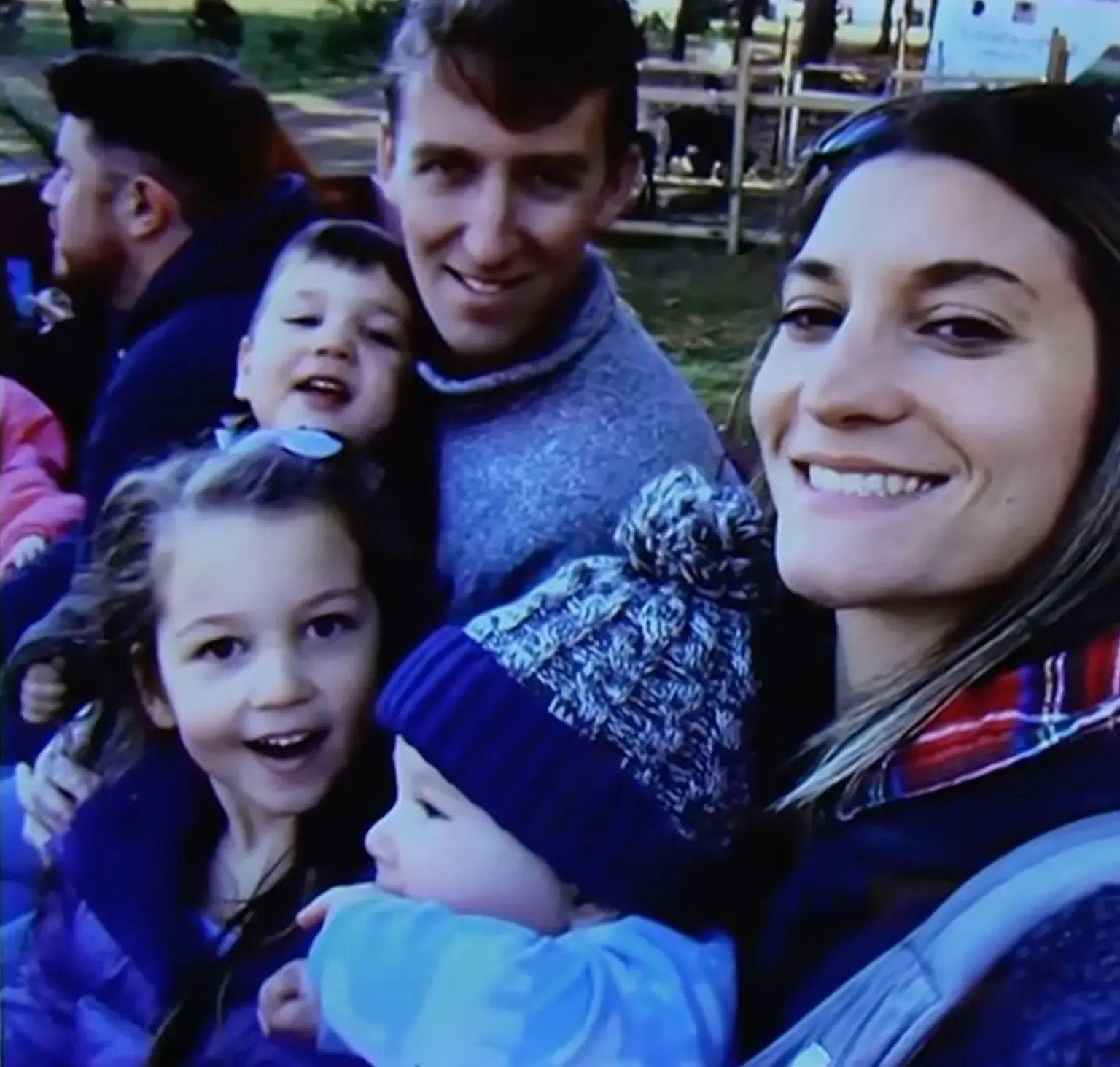
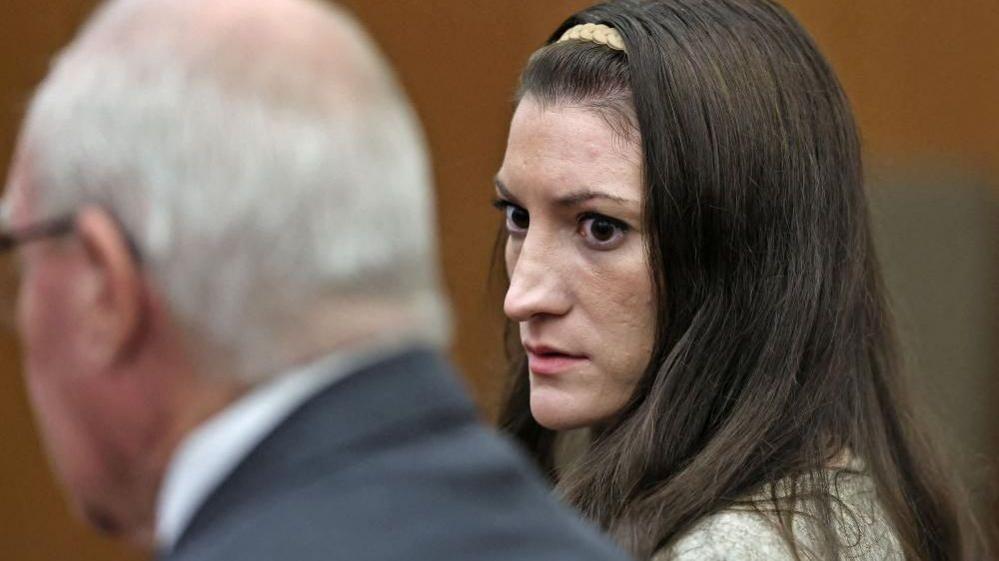
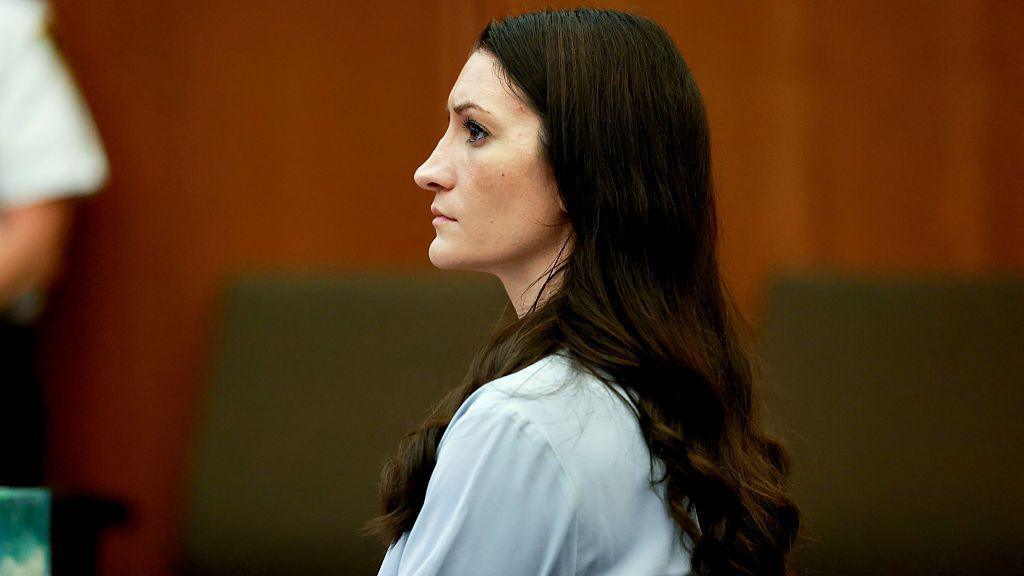
The jury in Boston’s Superior Court has begun deliberating over the case of Lindsay Clancy, a 26‑year‑old mother accused of murdering her three children, aged eight months, three years and five years. Clancy, who is on a wheelchair, is charged with first‑degree murder, which carries a mandatory life‑sentence with no parole in the state of Massachusetts.
The defense, led by Kevin Reddington, argues that Clancy suffered from postpartum psychosis – a rare, life‑threatening mental illness that can occur shortly after childbirth. Dr. Reddington claims this condition rendered her unable to distinguish right from wrong, a claim that could lead to an insanity defence and for Clancy to be institutionalised in a psychiatric facility.
Prosecutor Jennifer Sprague counters that while psychiatrists noted symptoms of mental illness, Clancy“was aware of the morality of her actions” and consciously chose to kill her children with exercise bands. Sprague also highlighted that the family’s prior medical records contained indications of hidden thoughts related to the abuse of her children.
During closing arguments, Reddington requested the jury recognise the seriousness of postpartum psychosis, whereas Sprague emphasised the court’s obligation to hold individuals accountable for violent acts. The judge cut Reddington off, reminding him to address only the jury.
If the jury reaches a guilty verdict, Clancy will likely receive a life sentence. If an insanity verdict is reached, she could be placed in a psychiatric hospital with no set time limit for release. A not‑guilty decision would mean release on bail pending appeal.
The Clancy case has thrust postpartum psychosis into the spotlight, prompting discussion among medical professionals, legal scholars and the public about how mental health should intersect with criminal liability. Social media and news coverage have intensified scrutiny, bringing attention to mental health stigma and the legal system’s handling of such cases.
Continued coverage will follow. For more on the legal mechanics and psychiatry behind the case, see: Key moments in the trial of Lindsay Clancy.