Lindsay Clancy case mistrial sparks a national debate
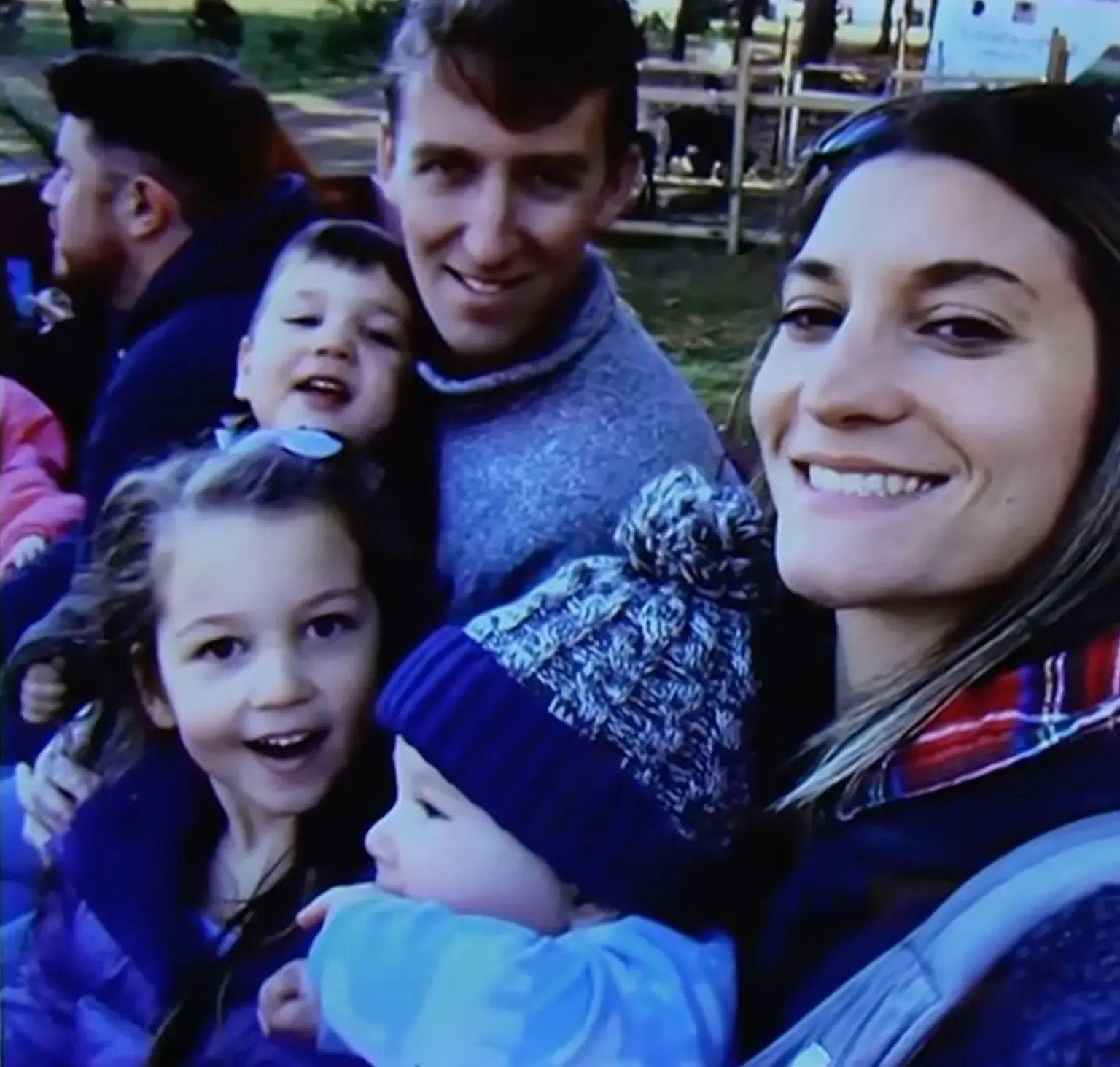
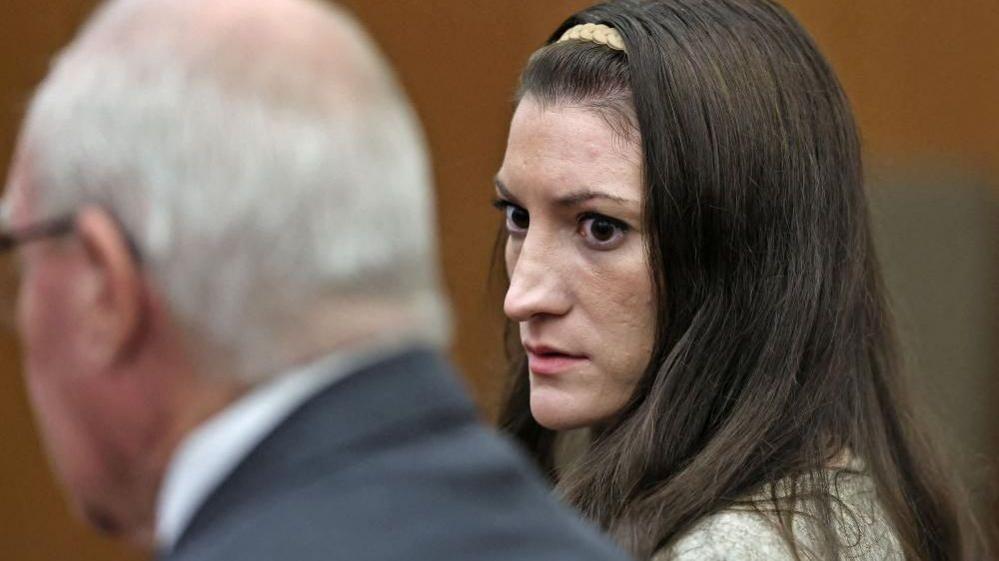
In a courtroom that had once been charged with hysteria, the judge’s ruling to declare a mistrial in the Lindsay Clancy case left the nation split. The 36‑year‑old Massachusetts nurse is accused of strangling her three children—five‑year‑old Cora, three‑year‑old Dawson and eight‑month‑old Callan—before slipping out of a hotel room window. Some call the verdict a vindication of women who suffer postpartum psychosis; others insist that no mental illness can justify killing one’s own children.
Clancy’s defence team presented evidence that she was suffering from hallucinations and delusions, arguing that postpartum psychosis—an extremely rare psychiatric disorder—removed her from criminal liability. Experts testified that while the condition exists, it is not formally recognised by the American Psychiatric Association, and that some witnesses doubted it applied to Clancy’s case.
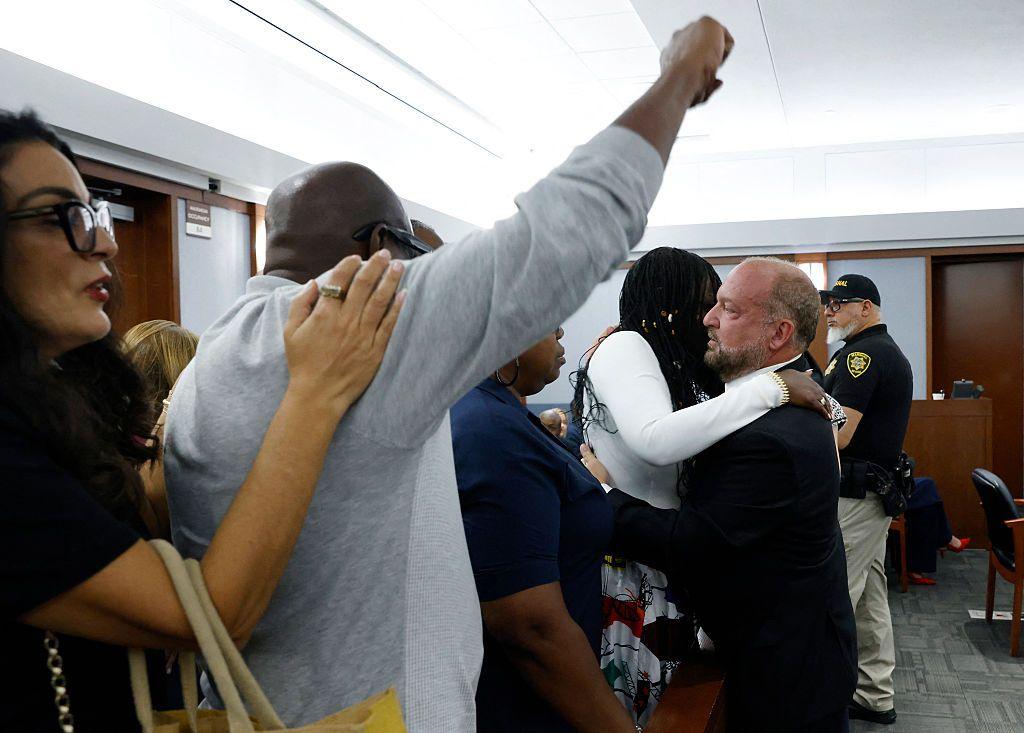
Outside the courthouse in Plymouth, support rallies erupted. Women wearing pink held signs of solidarity, while men and families with counter‑signs painted the space with accusations. Each faction saw the proceedings as a courtroom drama that reflected broader social attitudes toward gender, mental health and justice.
After seven days of dead‑locked jury deliberations, the justice system will revisit the case in a hearing later this month, potentially leading to either a second trial or a plea agreement. The decision to pause the proceedings underscores the polarising nature of the case, and the debate is set to keep present across dinner tables, online forums and in courtrooms alike.
If you or someone you know is struggling with thoughts of self‑harm or depression, please seek help. Contact a health professional or reach out to support organisations such as Befrienders Worldwide.