In brief
Gen Z shoppers—18‑24‑year-olds—are turning their backs on hot coffee in favour of icy, personalised drinks that can be mixed in layers and topped with foam. A Starbucks insider says that four out of five of the chain’s sales today come from cold beverages, a move that has become a key part of the company’s turnaround strategy. TikTok‑famous factions and celebrity partners have leveraged limited‑edition drinks to boost foot‑traffic, while market analysts stress that cold drinks’ visual appeal and functional options—protein, sugar, flavours—enable higher prices. Fast‑food rivals and international markets echo the trend, suggesting it is a global shift in how young consumers view beverages.
Gen Z rushes to Starbucks not for the hissing hot brew but for the sleek iced concoctions.
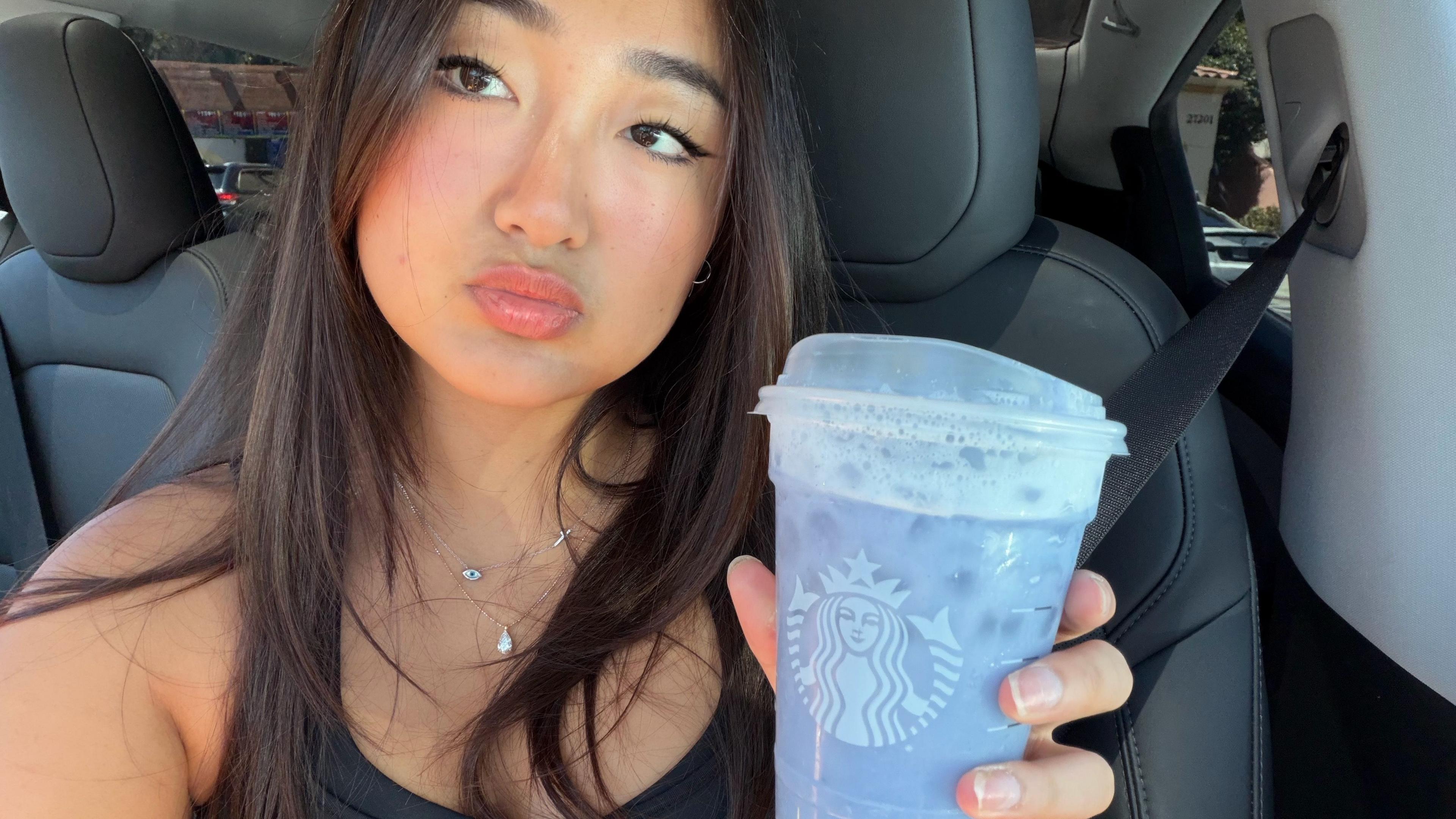
Le Ling, 21, splits her life between New York and California. She says her real coffee comes from local cafés, but she “doesn’t really like to go to Starbucks for coffee…I’m more of a refresher girl when it comes to going to Starbucks.”
Starbucks acknowledges the shift: “Three out of every four drinks now sold are cold.” From iced‑fruity blends to protein shakes and “dirty” sodas, the lineup encourages customisation, a value Gen Z has come to prize.
Market Data Underlines the Trend
In a recent Euromonitor study, Tristan Höver notes younger consumers “seem to see drinks as something they can tailor to a specific moment or need.” Larger, layered, and visually vibrant cups justify higher prices. That appearance, he says, is more important than the drink’s ingredient list.
Universally, the trend is peppered with social‑media hype. Starbucks’ Unicorn Frappuccino, a pastel‑saturated blend topped with whipped‑cream and crunchy toppings, lifted in‑store traffic by 44% over a three‑day launch on TikTok. Other chains like Dunkin’, McDonald’s and Taco Bell now offer fruit‑based “refreshers” and protein‑boosted cold options, tapping the same market.
Why Cold Drinks Matter to the Bottom Line
Inside the Starbucks boardroom, the entire “infinite personalisation” of foams, flavours and protein is dubbed “almost pure profit.” The chain’s U.S. beverage sales are now 70% cold‑drinks, a figure that has fed into a larger turnaround narrative. In the UK, over 60% of shoppers under 25 now buy cold drinks on the go, while only 30% of those 55+ do so.
Cold drinks are not just summer staples – 70% of people buy them year‑round, and 80% in summer months – underscoring a durable market shift that the industry is scrambling to capture.
Beyond Starbucks: A Global Trend
Fast‑food giants have followed suit, launching cold‑based offerings and even partnering with influencers. The U.S. shift mirrors global patterns, with millennials and Gen Z in the UK buying more cold drinks than older shoppers. The phenomenon signals a cultural pivot, redefining coffee from a stimulant to a status‑symbolic, highly adaptable product.