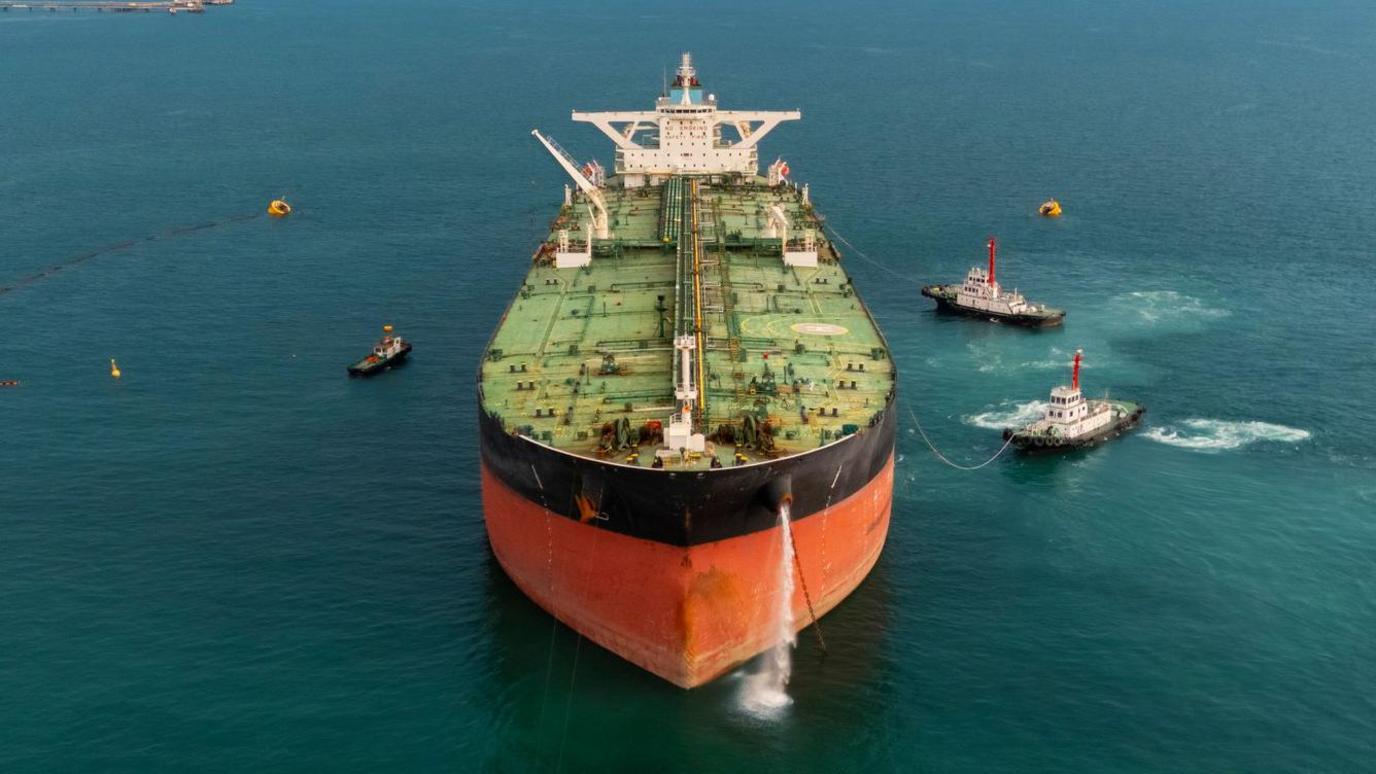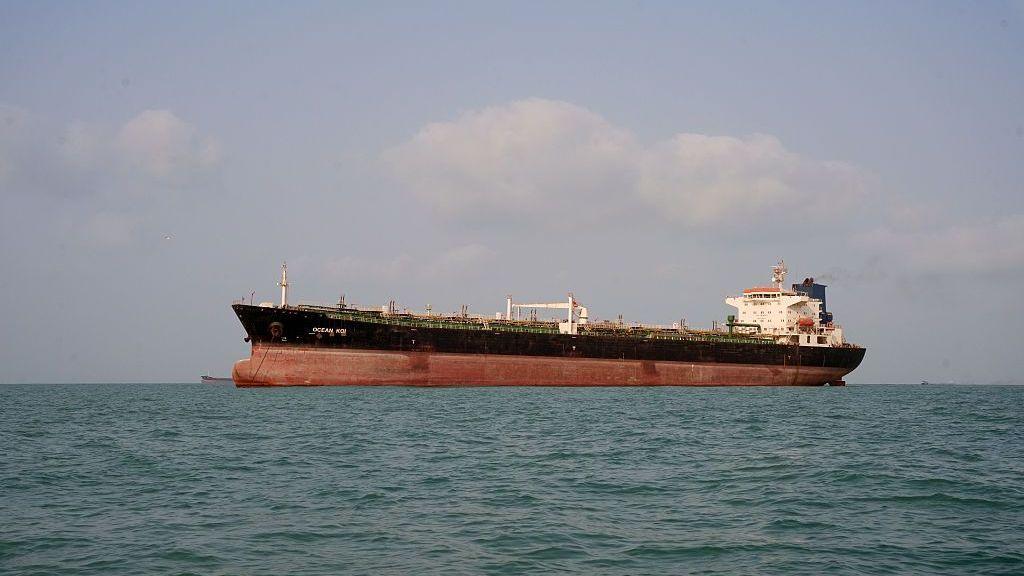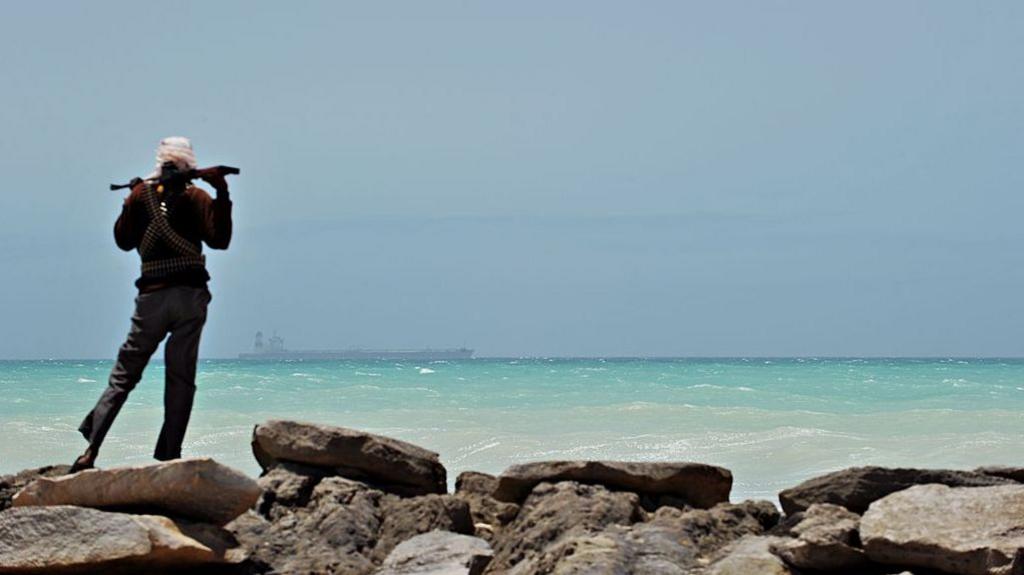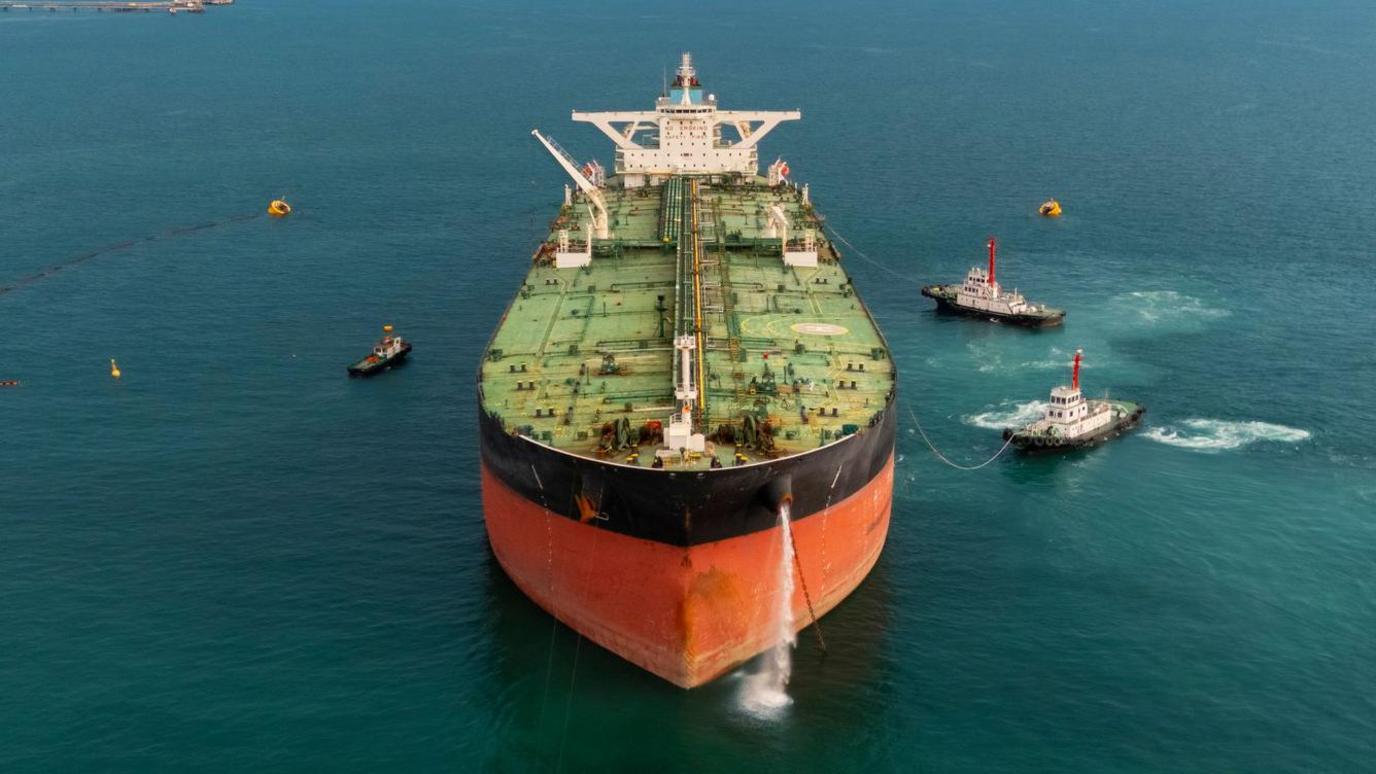
The threat to ships carrying oil in the Middle East is at its worst since the Iran war started, experts have said, after a spate of attacks on another key route in the region.
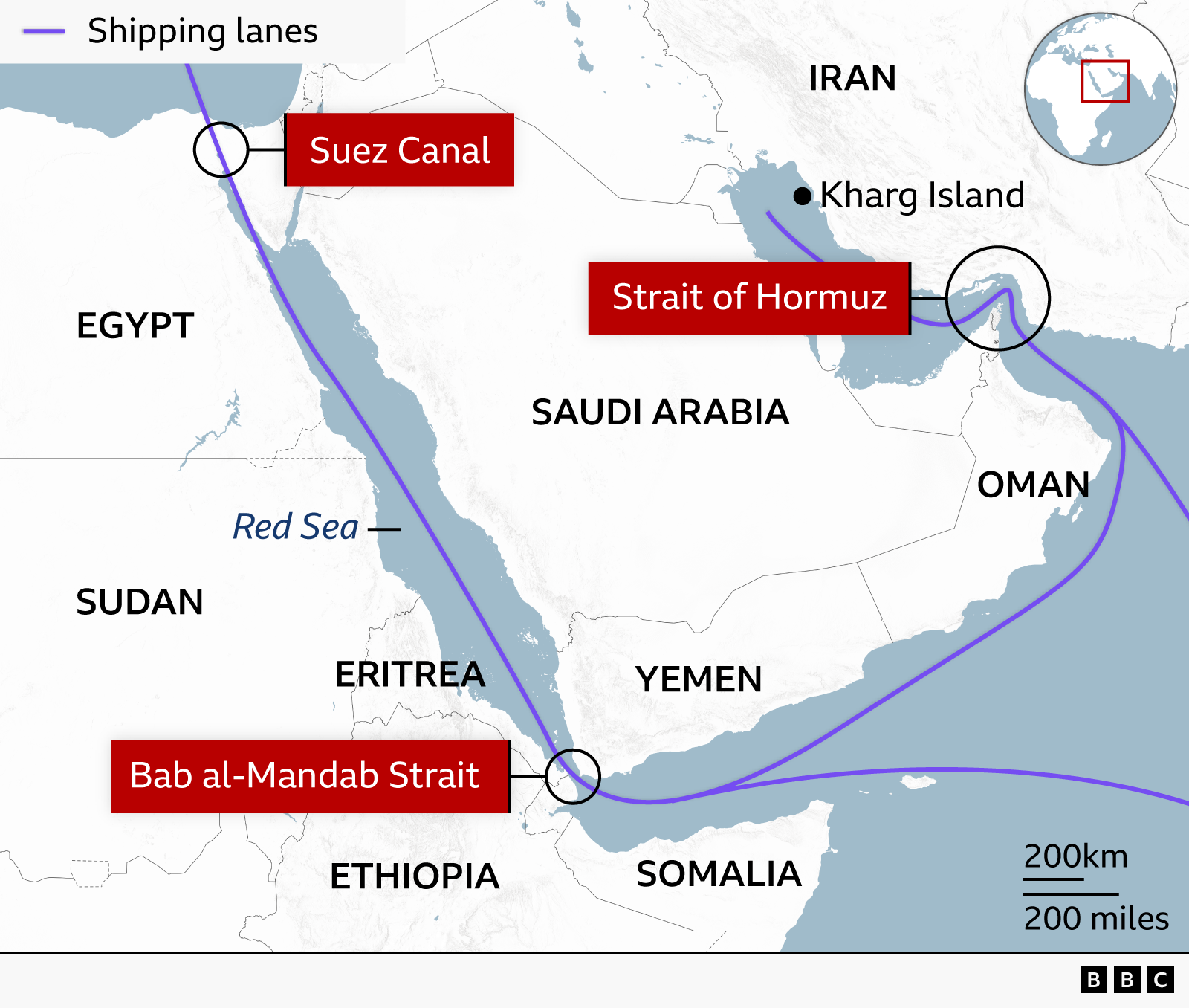
Analysts warn that the rise in attacks on vessels in the Red Sea—a diversionary waterway some tankers have taken since Iran blocked the Strait of Hormuz—has only intensified the risk to global crude supply lines.
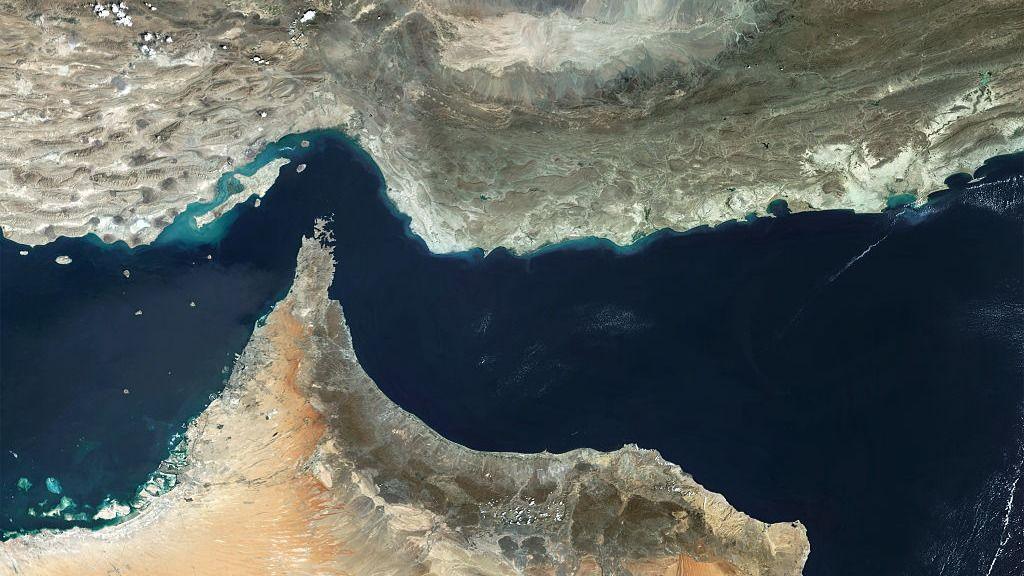
Iran has denied Donald Trump’s claim that it was talking with the U.S. to reopen the strait, but it has talked with Oman about securing the shipping lane. Undeterred, some tankers are still using the Red Sea, though many are now "going dark," turning off their transponders to avoid detection.
"In terms of threat to the trade of crude, we’re at the worst period we’ve been in since this crisis began," said Matthew Wright, analyst at ship‑tracking firm Kpler.
Only eight ships passed through the Strait of Hormuz on Sunday and 11 on Saturday, a dramatic decline from the more than 100 per day seen before the war, according to Kpler data. Before the conflict, around 20% of the world's oil and gas flowed through the strait.
Ongoing fighting has forced many Saudi oil vessels to use an alternative route in the Red Sea, but a recent surge in Houthi raids has turned that path into a contested zone, reducing the number of crude shipments to around four per day – the lowest point since the war began.
Hapag‑Lloyd, a global shipping giant, says it will monitor developments closely and adjust its network if circumstances change, noting that while the Strait of Hormuz could reopen quickly, restoring normal cargo flows could take three to four months.
Despite talks with Oman, Iran says no deal is imminent that would reopen the strait to normal traffic, adding that any agreement would not lift restrictions while U.S. “aggression” continued. The fear is that current negotiations may be a “false start.”
Oil prices have fallen sharply; Brent crude dropped 4.4% to $84.05 a barrel after Trump announced a cancellation of planned strikes to support potential talks, but it had slid as much as 7.3% to $81.55 earlier that day.
Peter Sand, chief analyst at Xeneta, said the fighting has sent the shipping industry back to square one, describing conditions as “terrible” with no clear change of fortunes on the horizon.