Trump says mines cleared from the Strait of Hormuz.
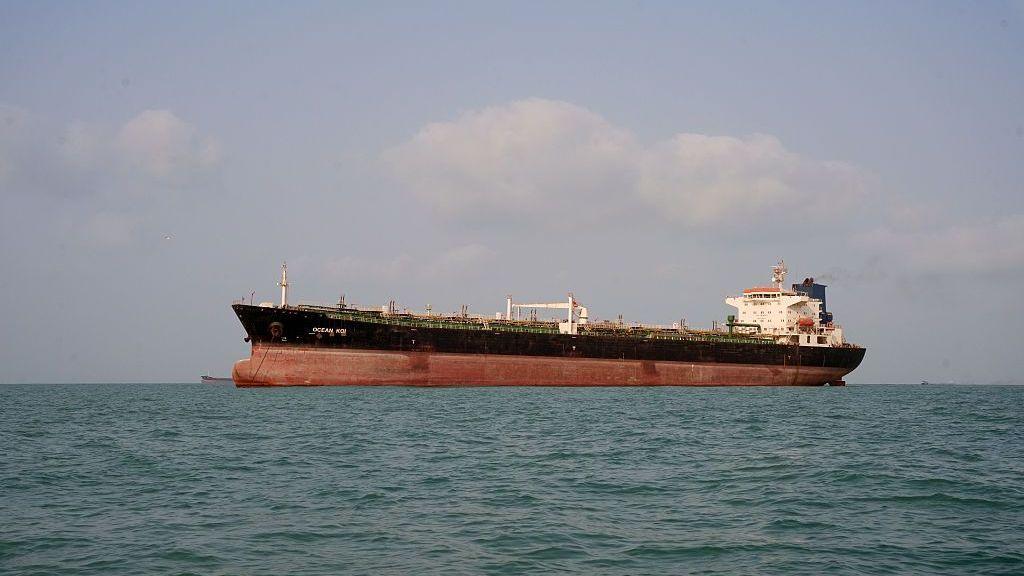
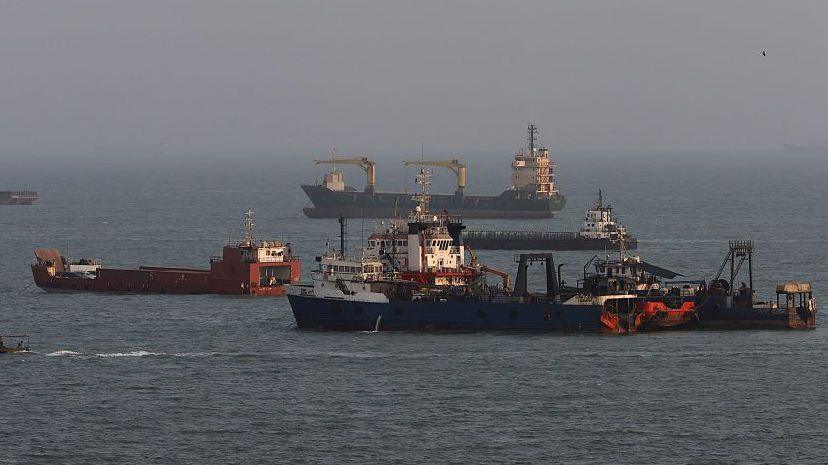
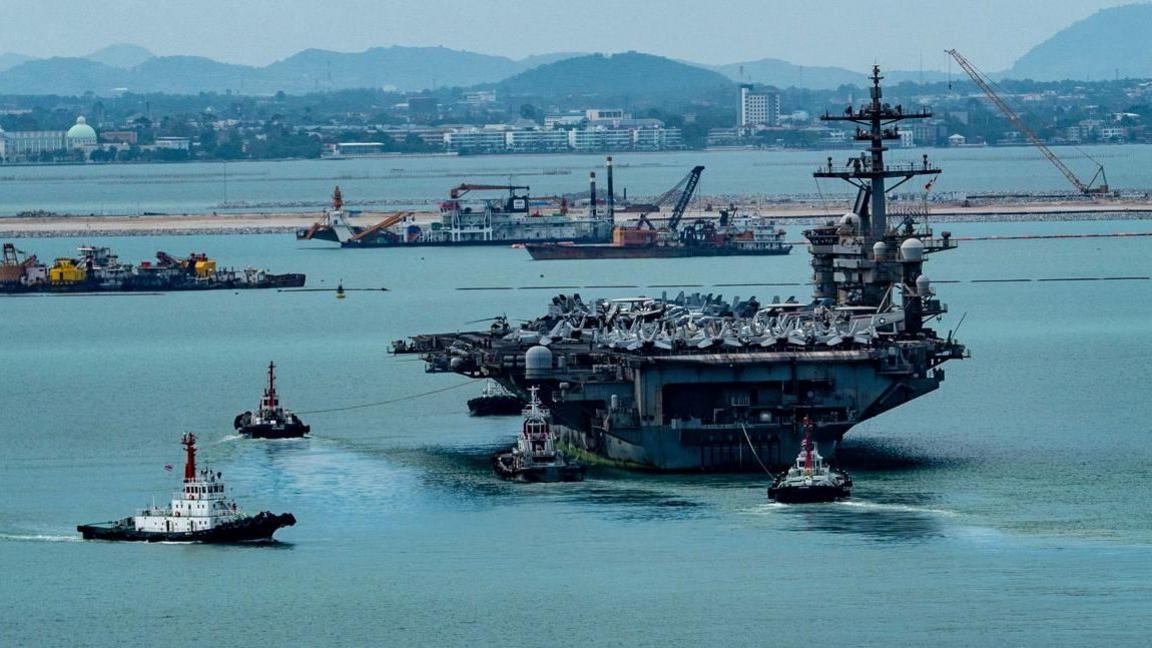
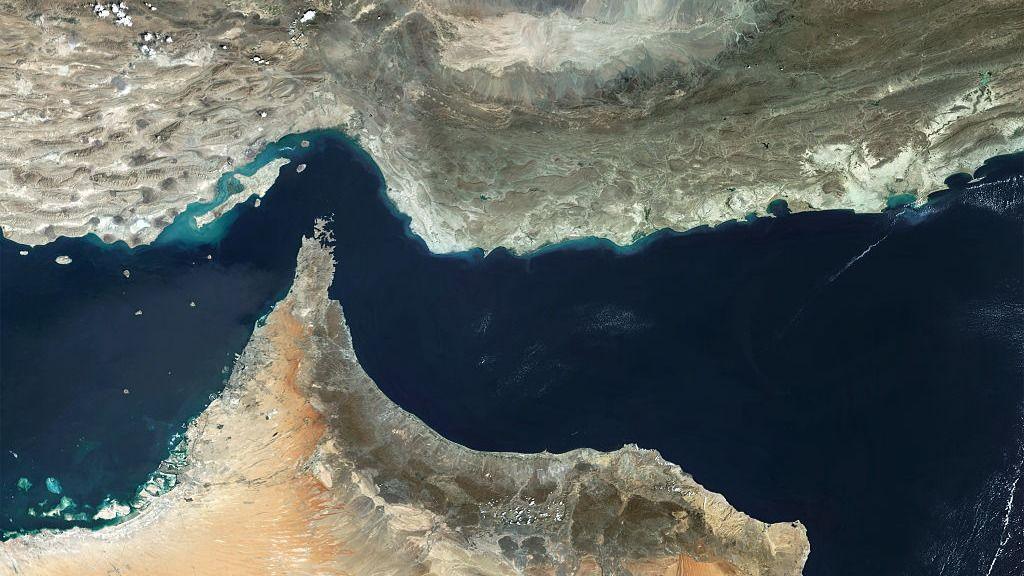
US President Donald Trump posted on Truth Social that the US Navy has removed or detonated all oil mines in the vital waterway that Iran has partly closed since the war began on 28 February 2026.
He urged Iran that any new placement of mines would be met with immediate destruction by the US forces.
At present, Iran has not responded to the statement.
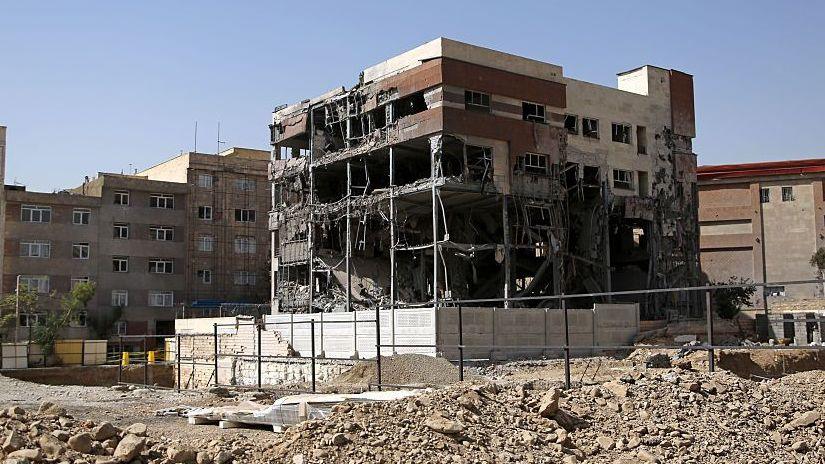
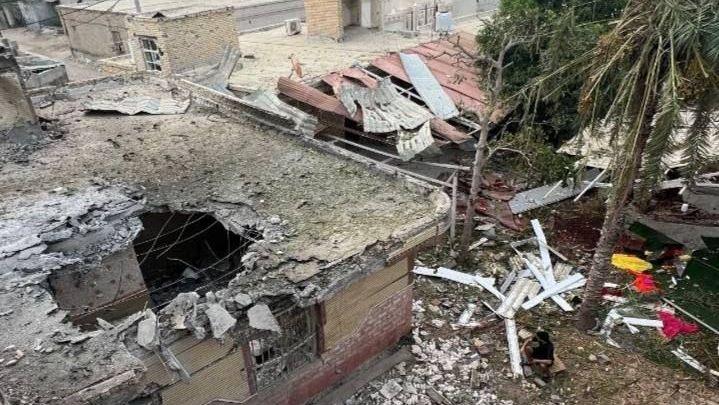
The closure of the strait has caused wild price swings in global oil markets. Trump emphasized American control of the passage, noting Iran has targeted vessels it claims have crossed without permission, while US and Israeli strikes against Iran commenced the current conflict.
Before the outbreak, about 20% of world oil and liquefied natural gas passed through the Strait of Hormuz. Iran has retaliated against Israel, US bases, and Gulf allies.
A ceasefire meant to enable talks collapsed and sporadic exchanges of fire echo between the US and Iran.
Last week, the US announced new sanctions aimed at isolating any nation that finances Iran.
The Treasury Secretary warned that partners of Iran would be cut offline.
In June, Iran and the US signed a memorandum of understanding setting a 60‑day deadline to open the strait and resume nuclear talks. The deadline has lapsed and substantive negotiations failed, leading to the new sanctions. Trump states they will topple the Iranian regime.
Iranian Economy Minister Ali Madanizadeh said Tehran is ready for the harsher sanctions, calling them an “another defeat” for the US. Iran’s economy has been weakened by continuous war and blockades imposed by the US.
China, the biggest buyer of Iranian oil, protested the US sanctions as “illegal unilateral measures,” vowing to protect its trading interests. The US is wary of retaliation from Beijing, which controls much of the world’s rare earth supply.
Beijing already tightened export controls on rare earths over previous trade disputes with the US.
Iran wants full control over the Strait of Hormuz, contrasting with the US and most other countries that regard it as international waters. Oman, the US ally, had tentative talks with Iran for a temporary corridor; these talks have yet to produce an agreement.
Oman’s foreign minister Badr Albusaidi expressed hope for rapid issuance of a temporary corridor after meeting Iranian counterpart Abbas Araghchi. He hoped for “practical arrangements” for safe navigation and promised permanent solutions in the future.
Araghchi said that regional solutions were discussed with Pakistan and Oman, covering new corridor frameworks and joint mine‑clearing operations.
Iran Deputy Foreign Minister Kazem Gharibabad confirmed that ships will navigate through Iranian waters both on entry and exit routes, allowing only commercial vessels in the strait, while military ships will be prohibited.
The route will be temporary with a 60‑day deadline to negotiate a permanent passage replacing the existing maritime traffic plan. He warned that if Iran’s requests are denied, the strait could be closed.
Additional reporting by Ghoncheh Habibiazad from BBC Persian.