Oil prices crashed more than 9% on Monday as the United States and Iran announced a pause in their military campaigns, setting the stage for a possible resolution to a conflict that has rattled global markets.
Brent crude, the benchmark for worldwide oil trading, slipped below $88 a barrel, reversing the week‑long surge past $100 that had emerged following heightened tensions in the Persian Gulf.
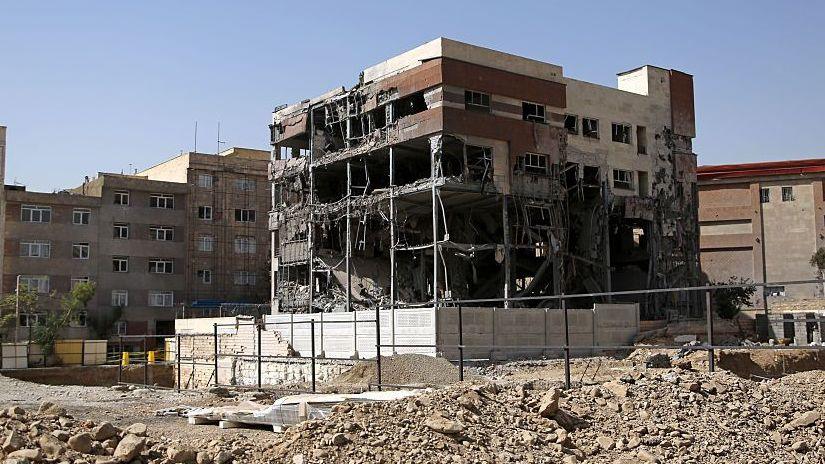
The dip followed remarks by the U.S. ambassador to the United Nations who said that attacks on Iran had been halted for a second consecutive night to allow “talks some space.” An Iranian army spokesperson confirmed that Tehran had stopped retaliatory strikes in response.
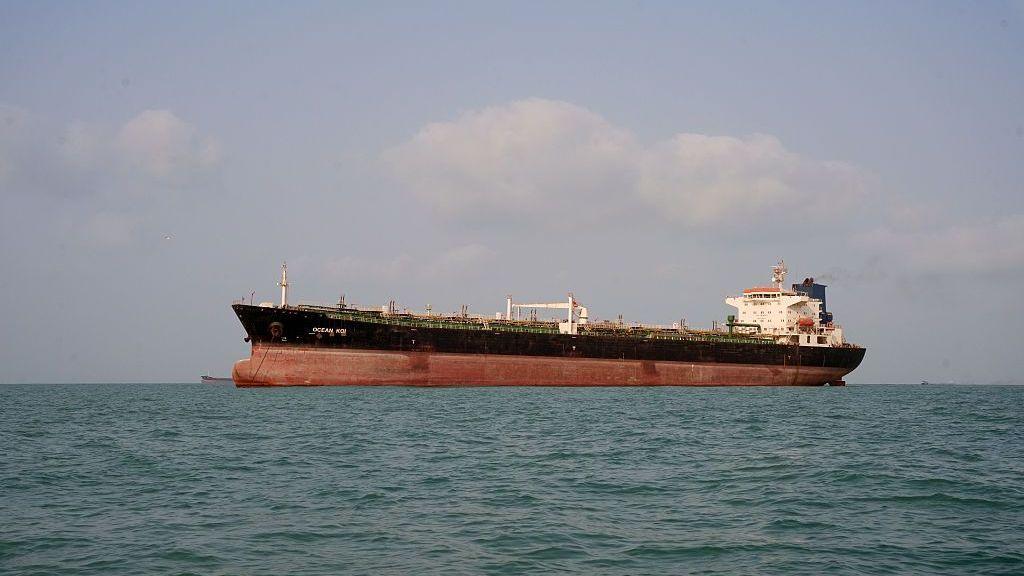
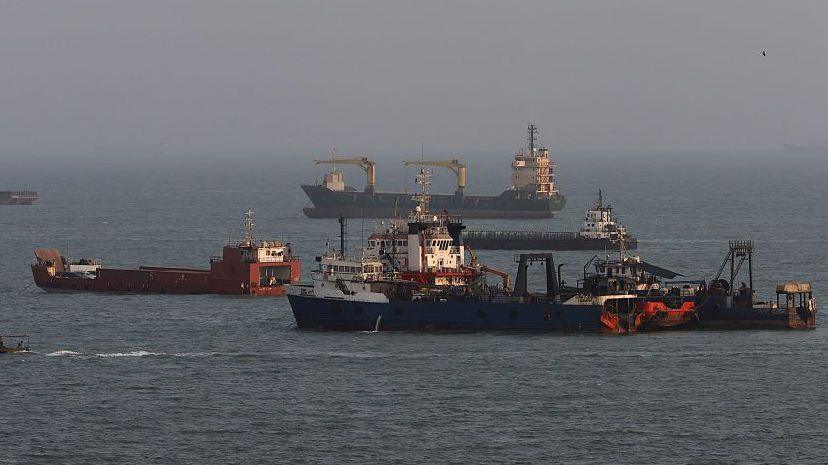
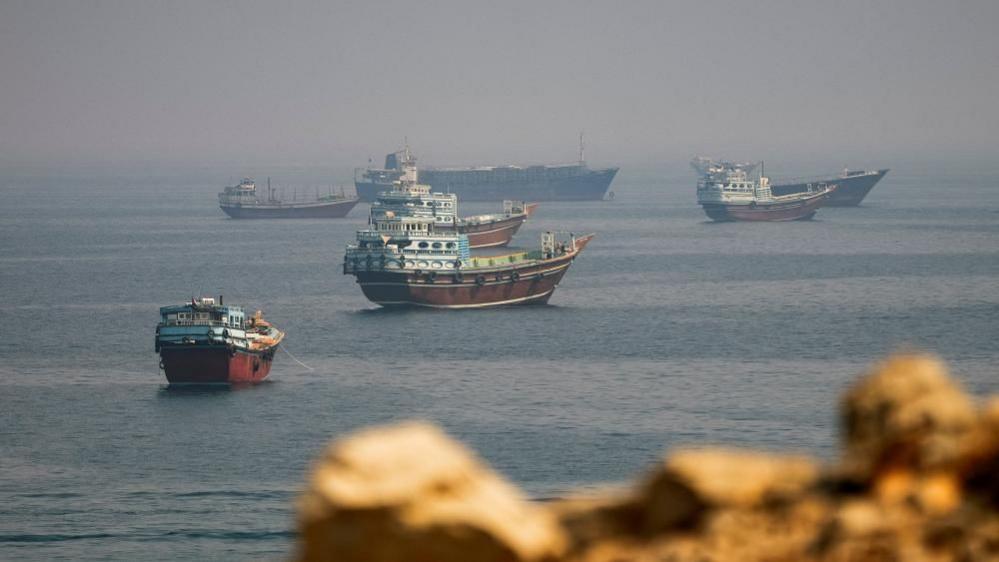
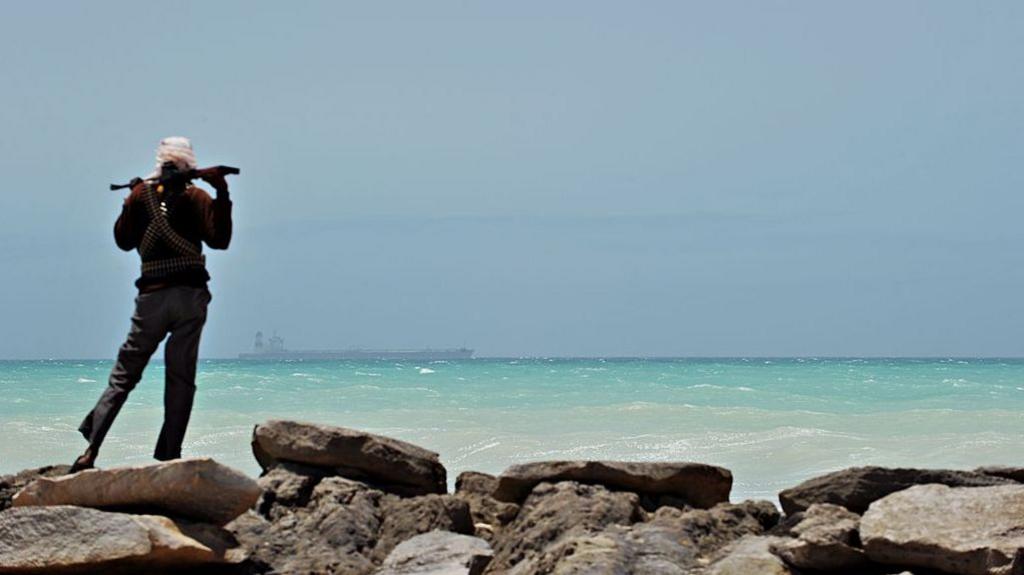
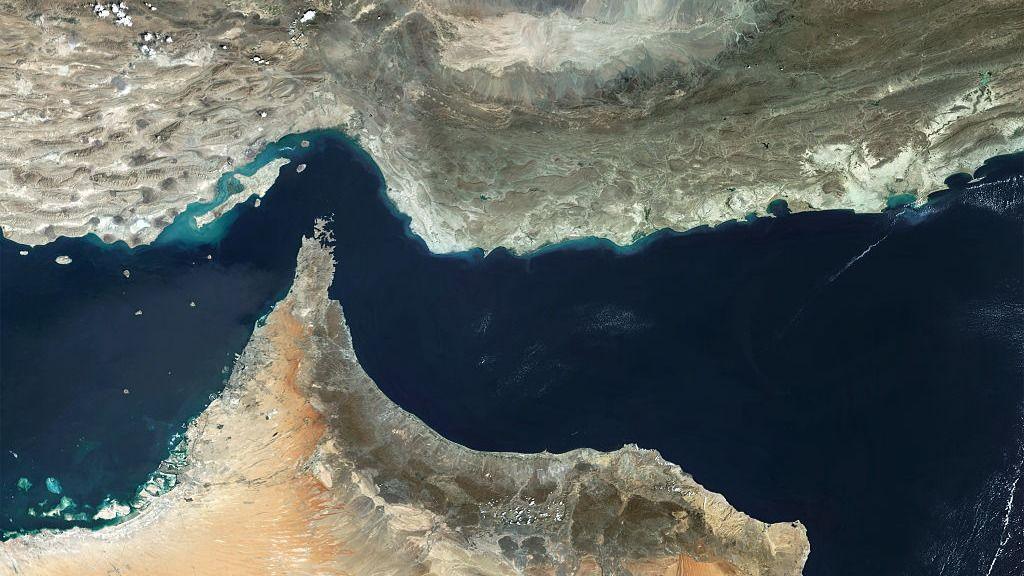
The volatility began when the conflict threatened the Strait of Hormuz, the chokepoint that carries roughly a fifth of the world’s oil and LNG. The closing of the strait in late spring sent prices soaring, but a June memorandum of understanding temporarily opened the waterway and brought prices near $70 per barrel.
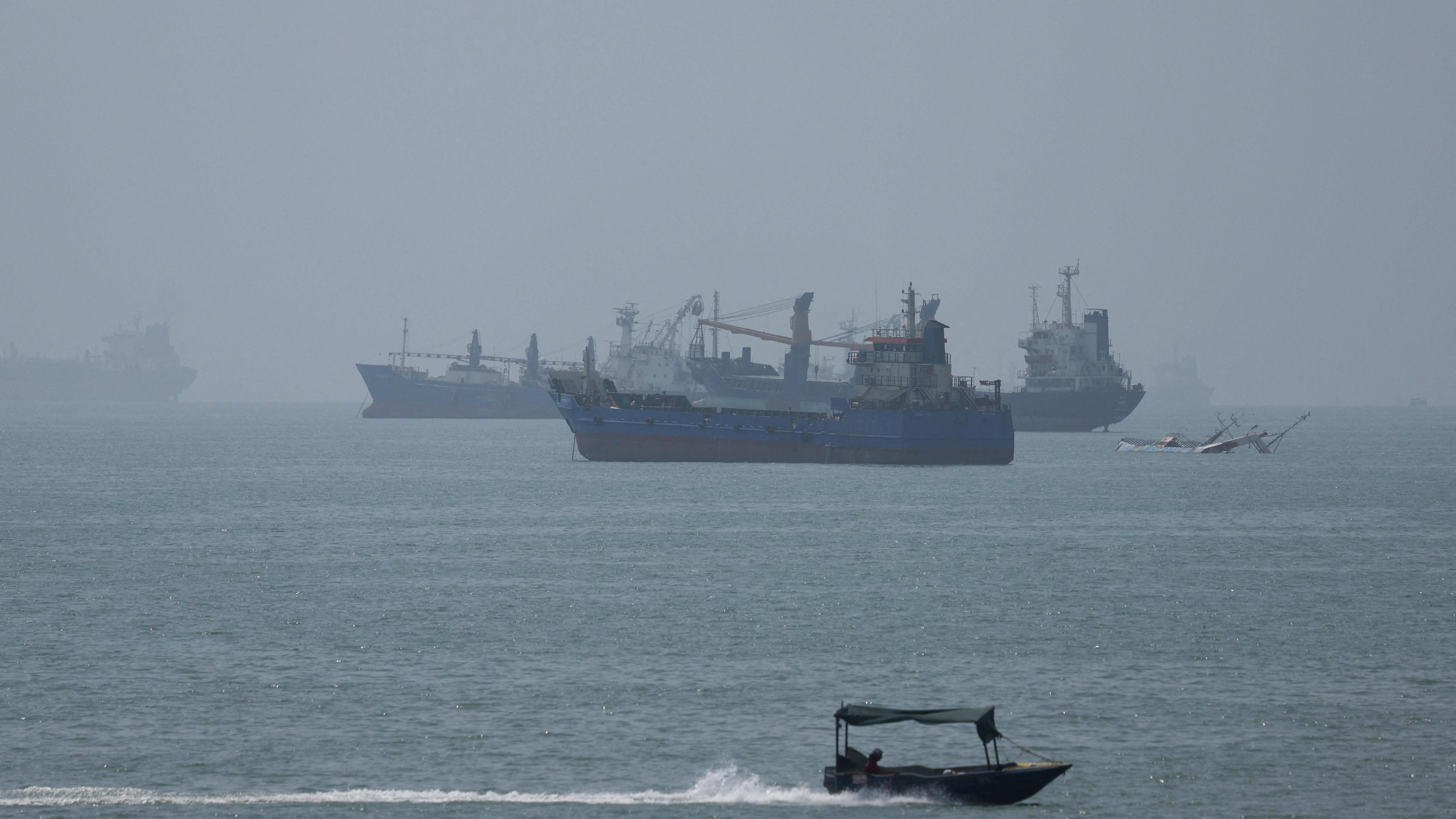
When the ceasefire collapsed earlier this month, fears of supply disruptions resurfaced and pushed oil back higher, topping $100 for the first time since May, partly due to attacks by Yemen’s Houthi militia on tankers in the Red Sea.
Susannah Streeter, chief investment strategist at Wealth Club, cautioned that markets remain wary, noting the ongoing “twists and turns” that could undermine any durable breakthrough that the pause might suggest.
Even with the sharp fall in crude, analysts stress that uncertainty lingers and that any future negotiations will need to sustain momentum to keep prices anchored.
The conflict’s influence on oil has spilled over into higher fuel costs for petrol and diesel worldwide, which in turn can lift food prices as businesses pass the increased energy burden onto consumers, potentially accelerating inflationary trends.