Zambia’s President Secures Second Term Amid Opposition Detention
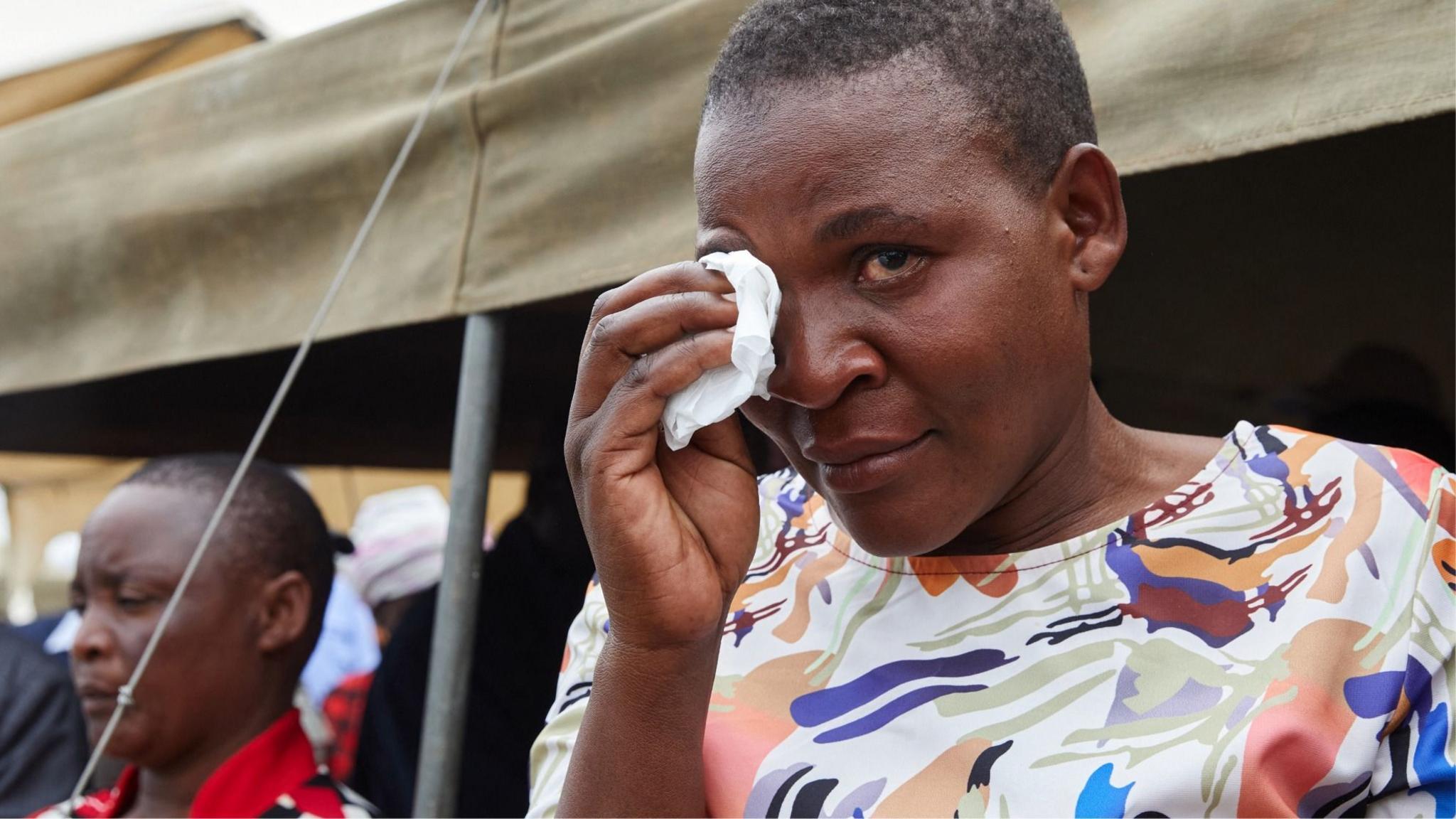
On Tuesday, President Hakainde Hichilema was sworn in for a second five‑year term following a disputed August election that awarded him 60% of the vote. The main challenger, Brian Mundubile, who secured 38%, claimed the results were tainted and was subsequently detained on treason charges after a security raid on a property in Lusaka destroyed by authorities and a former cabinet minister killed in the process.
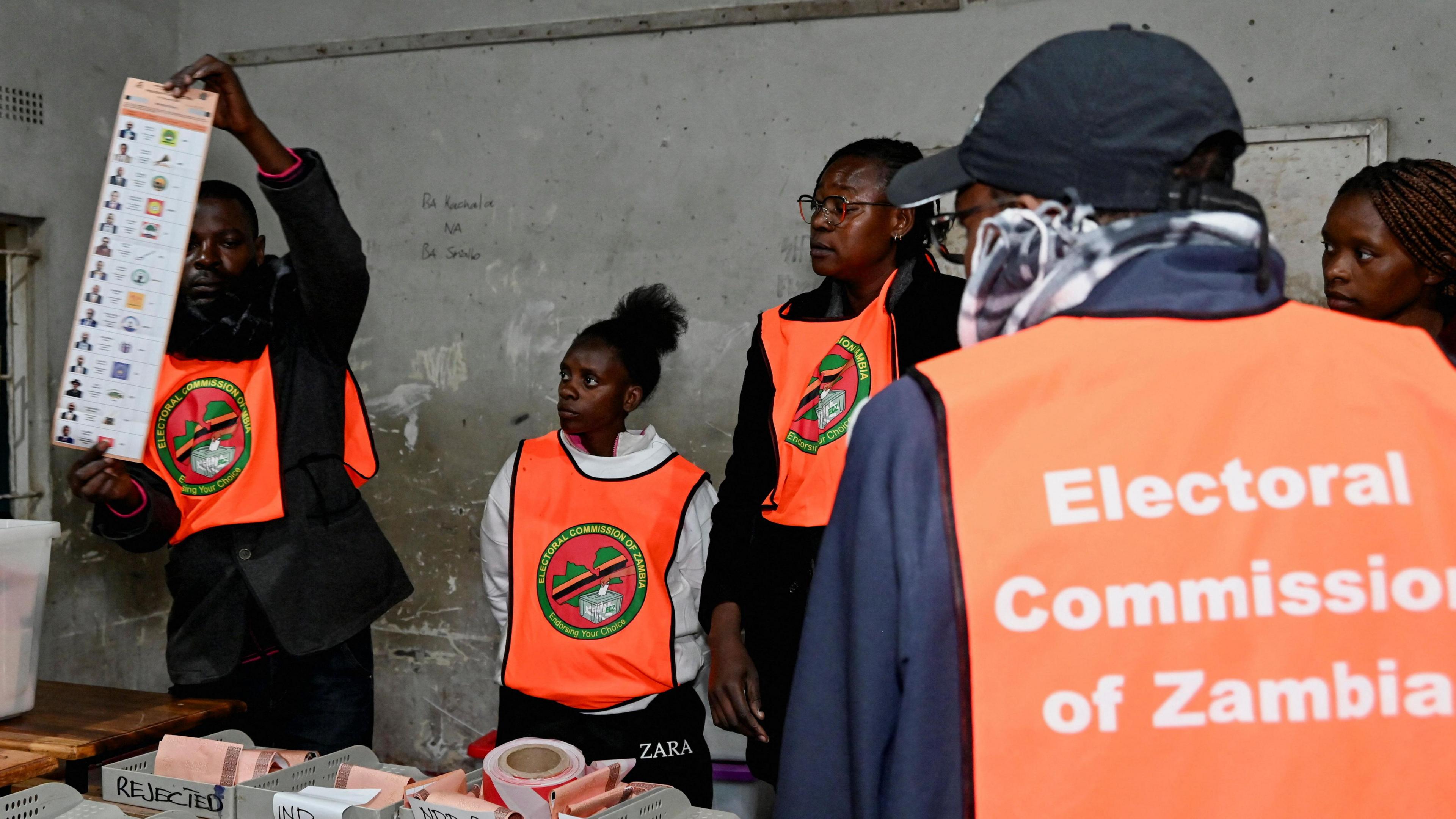
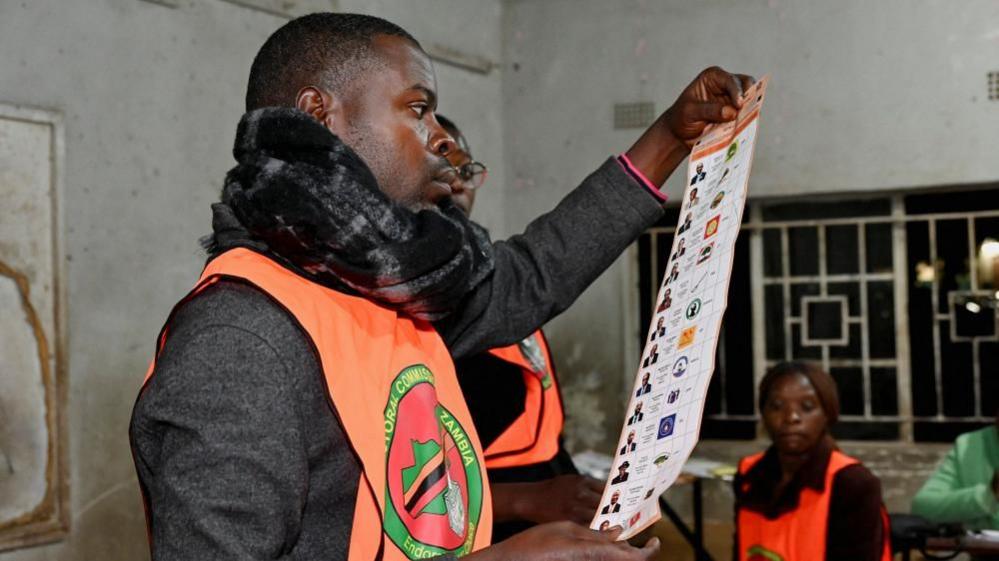
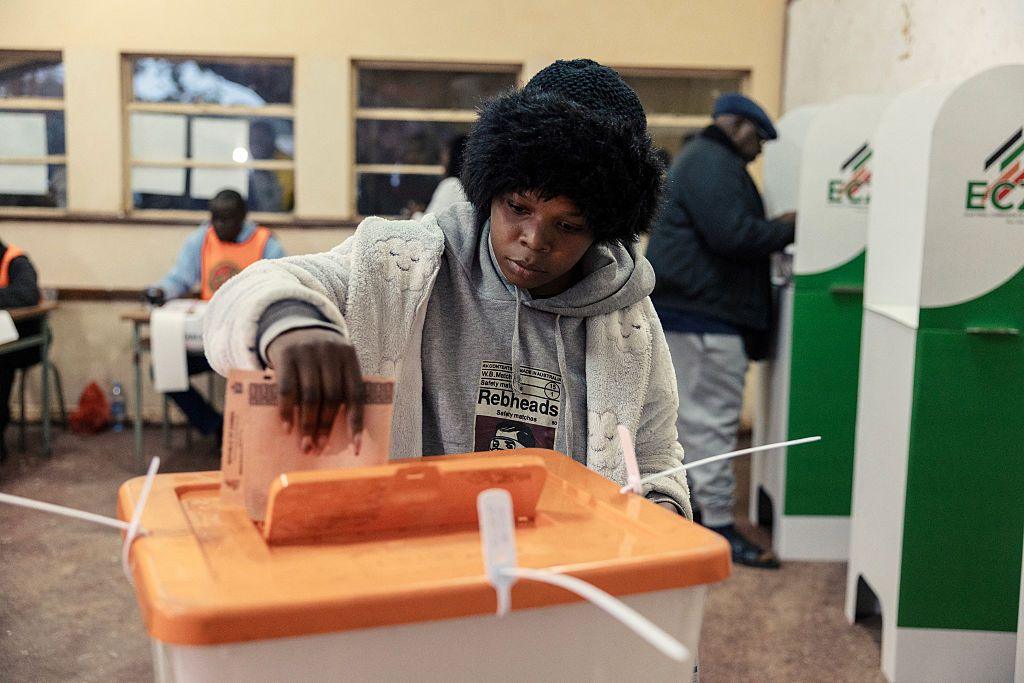
The election, which took place on 13 August, was largely described as peaceful, yet European Union observers raised serious doubts. They reported that tally‑sheet entries were delayed, digital results were not immediately mirrored on paper records and returning officers paused proceedings intermittently while awaiting headquarters instructions.
Following the vote, courts were sealed off during the final case‑filing period, effectively barring Mundubile from mounting any legal challenge to the outcome. That same day, opposition politicians linked to Mundubile were detained, and Amnesty International has highlighted the severity of the crackdown.
Hichilema, who assumed office in 2021 after a landslide, inherited a country grappling with a recent debt default and an annual inflation rate surpassing 24%. He brokered a debt restructuring with foreign creditors and nudged inflation downward, although costs of living remain a burden for many Zambians.
Looking ahead, Hichilema intends to build on the economic reforms of his first term, citing ongoing debt‑management successes and the need to sustain growth. Regional leaders—including Botswana’s President Duma Boko and Tanzania’s President Samia Suluhu Hassan—are expected to attend the inauguration at the National Heroes Stadium in Lusaka, underscoring the country’s diplomatic outreach.
The seizure of the opposition and the cessation of judicial recourse flag significant concerns about Zambia’s democratic trajectory. In alternate timelines, an independent electoral commission might have validated a fair count, preventing the detention, while an extended reconciliation plan could have eased societal tensions. For now, Zambia stands at a crossroads, balancing the promise of its economic recovery against the imperative to restore political stability.