President Trump announced a significant scaling back of U.S.–South Korean joint military exercises after South Korea declined to cooperate in U.S. efforts toward Iran's denuclearization.
In a Truth Social post on Sunday, Trump declared the United States would "substantially reduce" the annual drills that involve about 28,500 U.S. troops and 18,000 South Korean soldiers. He criticized the cost, underscoring that the U.S. typically pays for the exercises, and called the exercises "totally inappropriate and hostile."
South Korea’s Blue House said it was reviewing the comments and hoped a better relationship with Pyongyang could lead to meaningful talks. Pyongyang has yet to respond.
The post followed South Korea’s recent refusal to join the U.S. proposal for the denuclearization of Iran, a move Trump deemed unfair. The president quoted the political weight of that decision, suggesting South Korea’s stance undermined U.S. efforts to pressure Iran.
Experts warn that cutting back the drills could weaken U.S.–Korean coordination on deterrence against possible conflicts in Asia, with minimal cost savings. Leif‑Eric Easley of Ewha University noted such exercises are essential for maintaining operational readiness.
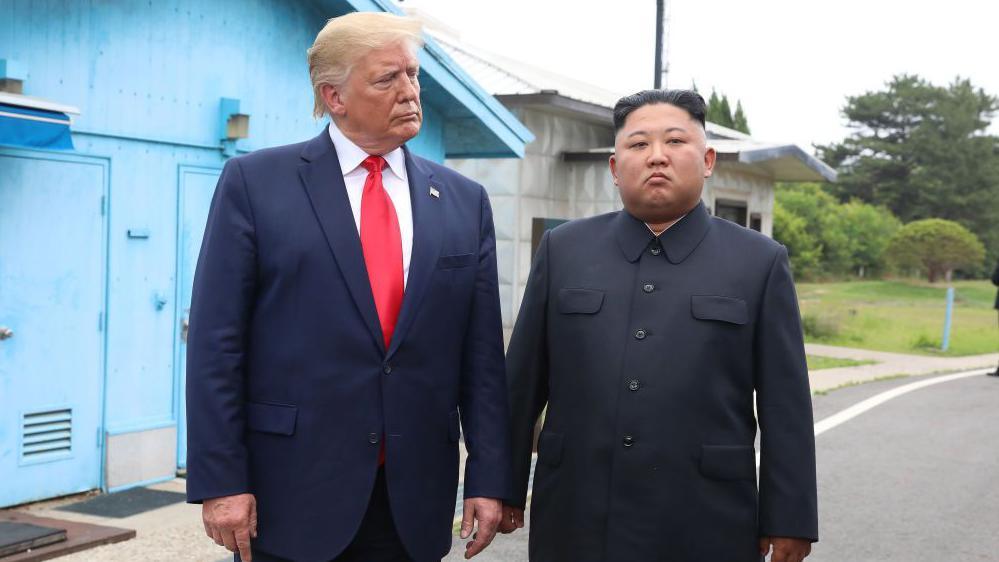
Trump’s decision mirrors earlier actions in 2018, when he suspended the drills during negotiations with Kim Jong Un, and in 2020, after the COVID‑19 pandemic. Timestamped minutes before the drill’s scheduled start, Trump underscored that the size of each exercise is a political gesture.
North Korea condemned the drills as a rehearsal for an aggressive war, amid a series of missile launches and its recent support for Russian forces in Ukraine. The U.S. and South Korean commanders had warned that the exercise would counter the threat posed by North Korean forces returned from fighting in Ukraine.