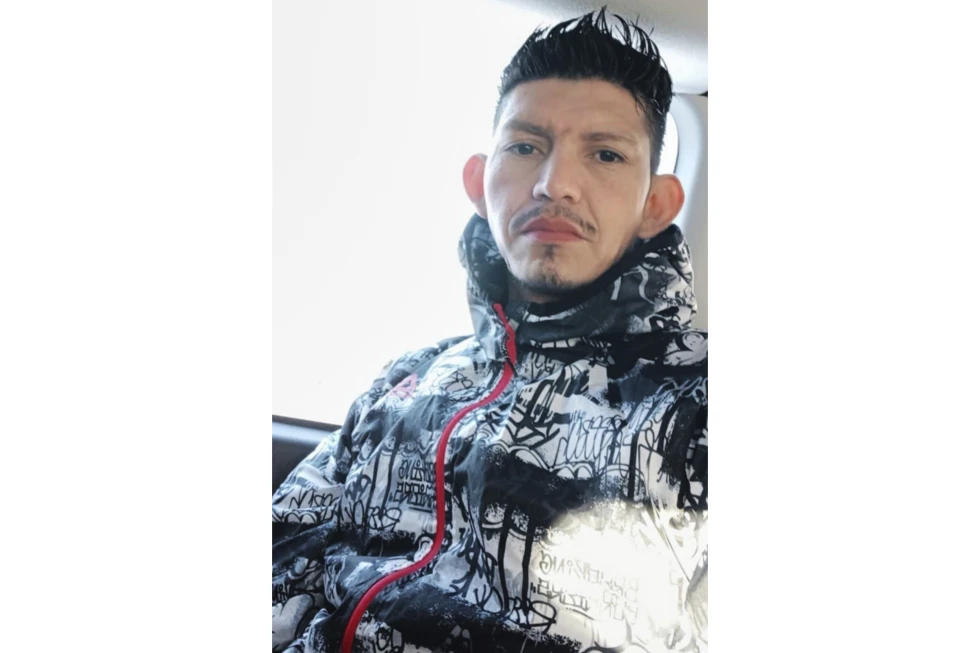
Nigeria has granted asylum to Guinea-Bissau presidential candidate Fernando Dias da Costa just days after a coup prevented the results of the recent election from being announced.
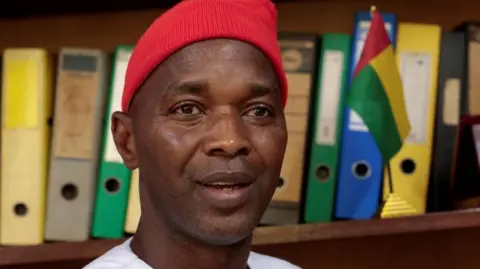
The 47-year-old, who ran as a candidate for the Party for Social Renewal, was under special protection at the Nigerian embassy due to threats made against him, Nigeria's foreign minister stated.
Dias was the main challenger to Umaro Sissoco Embaló, who was seeking a second term as president and has since left the country after the military takeover.
A delegation from the West African bloc Ecowas has been active in the country, urging the military to relinquish its grip and announce the electoral results.
Both Embaló and Dias had claimed victory in the presidential poll held on November 23. The PAIGC party, a significant political entity in Guinea-Bissau, was barred from fielding a candidate during this election.
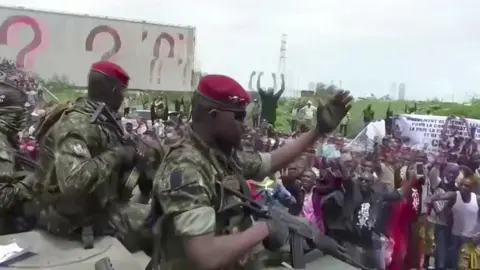
The military coup transpired just three days post-vote, suspending the electoral process and blocking results while claiming to thwart a supposed plot to destabilize the already politically fragile nation.
The junta's actions have intensified restrictions, including a ban on demonstrations and any acts that disrupt peace.
Amid rising tensions in Bissau, the PAIGC reported that its headquarters had been illegally invaded by heavily armed militia. The leader of this party, Domingos Pereira, was arrested the same day as the coup, according to family members.
Dias recounted that he fled his campaign headquarters on the coup day as armed men attempted to detain him.
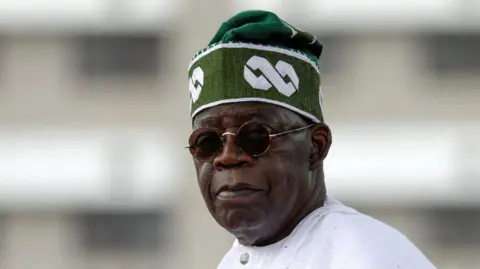
Nigeria's Foreign Minister Yusuf Tuggar confirmed President Bola Tinubu's decision to offer protection to Dias at the Nigerian embassy in Bissau. This move emphasizes Nigeria's commitment to upholding democratic aspirations in Guinea-Bissau as Tuggar communicated in a letter to Ecowas Commission president Alieu Omar Touray.
He further requested the deployment of Ecowas soldiers to the embassy for Dias's safety.
Tensions escalated during discussions between the Ecowas delegation and the junta, with both parties expressing concerns. The junta has already appointed a new transitional leader, Gen Horta N'Tam, who will govern for one year.
In response to the coup, Ecowas leaders have suspended Guinea-Bissau from all organizational decision-making until constitutional order is reinstated.
Speculations arise about the motives behind the coup, with some asserting it may have been staged. Notably, Senegal's Prime Minister Ousmane Sonko and Nigeria's former president Goodluck Jonathan claimed the coup was fabricated without substantiating evidence.
Meanwhile, local civil society groups alleged that Embaló orchestrated a simulated coup against himself with military assistance to prevent electoral results from being announced if he lost.
Embalo has previously faced accusations of exploiting crises to suppress dissent but has yet to address the coup allegations.
Guinea-Bissau, marked by political instability, has experienced at least nine coups or attempts since its independence from Portugal in 1974, making it a focal point for conflict and a hub for drug trafficking.