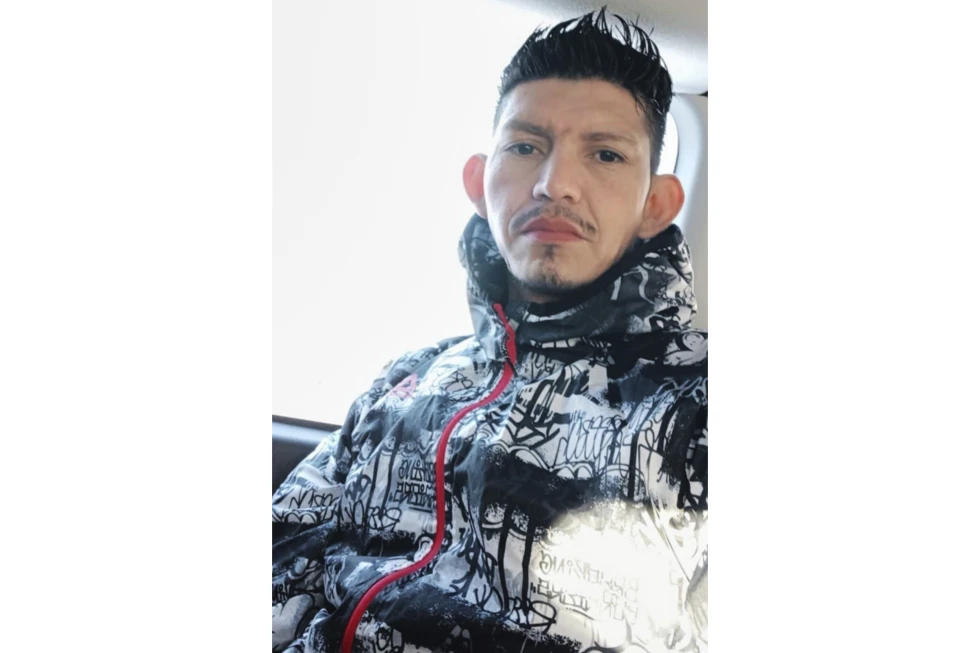
Associated Press (AP) — A Nicaraguan man who died at a troubled Texas detention camp shortly after being taken into custody is suspected to have died by suicide, as revealed through a 911 call and documents released this week.
Victor Manuel Diaz, 36, was discovered by staff on January 14 at Camp East Montana in El Paso, Texas, after an apparent suicide attempt. According to a camp official on the 911 call, “They found him with his pants tied around his neck.”
This incident marks at least the third death of a detainee at Camp East Montana, which began operating last year and has been mired in allegations of violence, abuse, and neglect. Notably, one prior incident was ruled a homicide.
Randall Kallinen, attorney for Diaz’s family, expressed skepticism regarding the suicide claim, stating that Diaz had no history of depression and was set to reunite with family in Nicaragua if deported.
Kallinen questioned, “Even if it is suicide, was there something that happened to him that drove him to suicide?” and emphasized the need for a thorough investigation.
Diaz had been detained after ICE agents sought individuals in Minnesota suspected of being in the U.S. illegally. He entered the U.S. through the Mexico border in 2024, seeking asylum and was released, but later faced deportation due to a missed immigration hearing.
Diaz’s family lost contact with him after he began working at a restaurant in Minnesota, only to be informed of his death a week later by ICE. Family members were shocked by the news, prompting urgent calls for justice.
A coalition, including a Democratic congresswoman, is now pushing for the closure of Camp East Montana, especially after another death related to alleged physical restraint by guards was reported earlier in January.
ICE found Diaz unresponsive before his death was reported as “presumed suicide,” although the full investigation remains open. The agency has yet to finalize an autopsy that could confirm the cause of death.
This case mirrors another recent instantiation of violence within detention facilities that has reignited calls for reform and greater oversight of ICE operations.
The aftermath of these tragic events raises critical questions regarding the treatment of detainees and the conditions in which they are held.